Premium Solar Systems for Battery & EV-Ready Homes


We design solar systems around your property’s electrical infrastructure, consumption profile, battery storage potential and future EV charging needs - not around a generic template. Every system is assessed, designed and delivered in line with relevant UK solar, electrical and grid-connection requirements, with certification handled by qualified professionals where required.


Solar Systems Designed Around Your Home and How You Use Energy

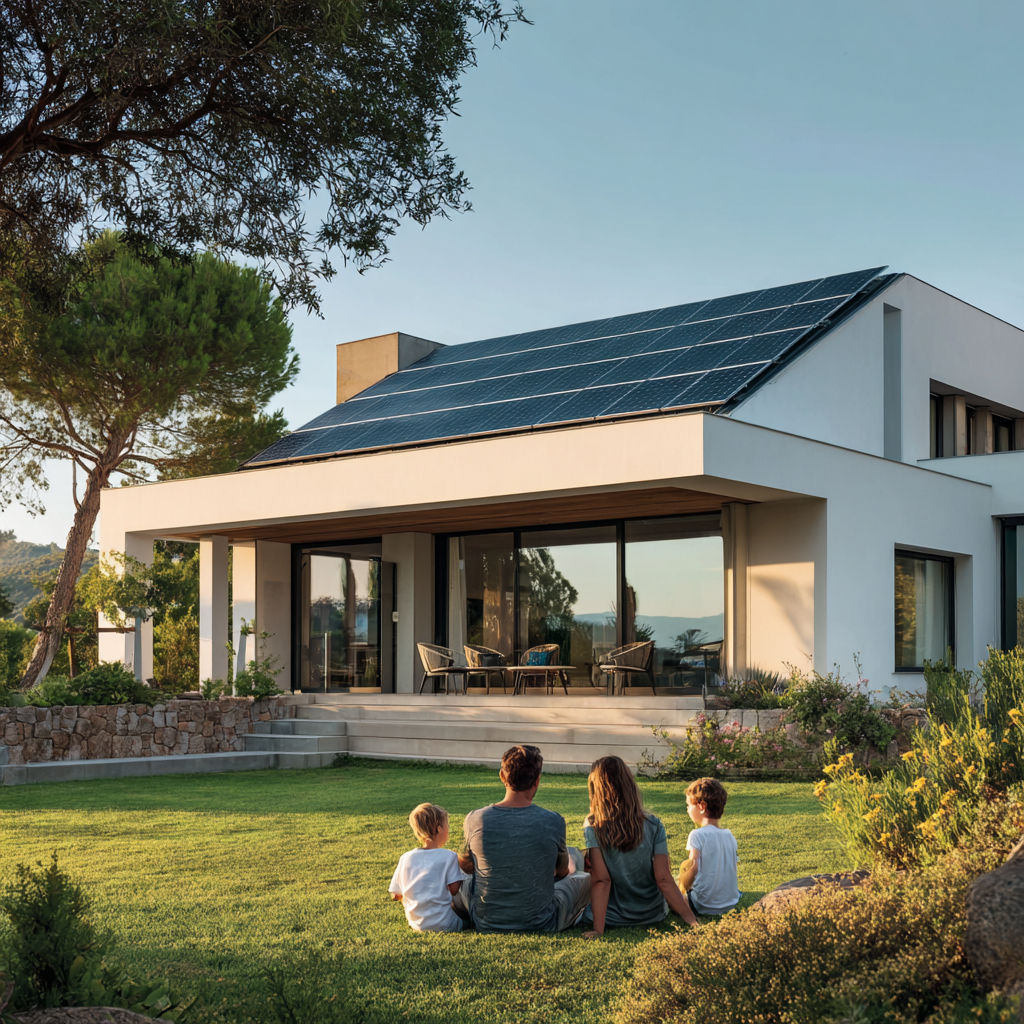
electricalworks designs and installs solar PV systems for premium homes across Surrey and South West London. We treat solar, battery storage and EV charging as a single integrated system - sized around your consumption profile, roof geometry and electrical infrastructure rather than selected from a standard catalogue. Before any component is specified, we assess the consumer unit capacity, supply cable rating and any DNO export constraints. That foundation is what ensures the system performs to specification for its full working life. Explore solar panel installation, solar and battery combinations, or complete integrated energy ecosystems.

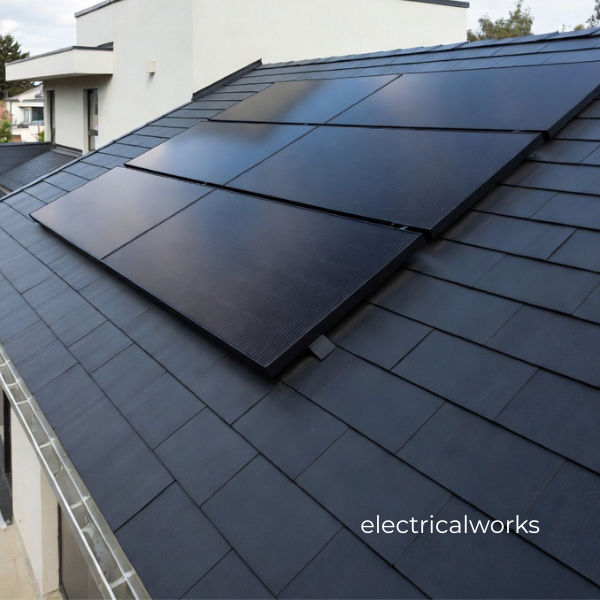
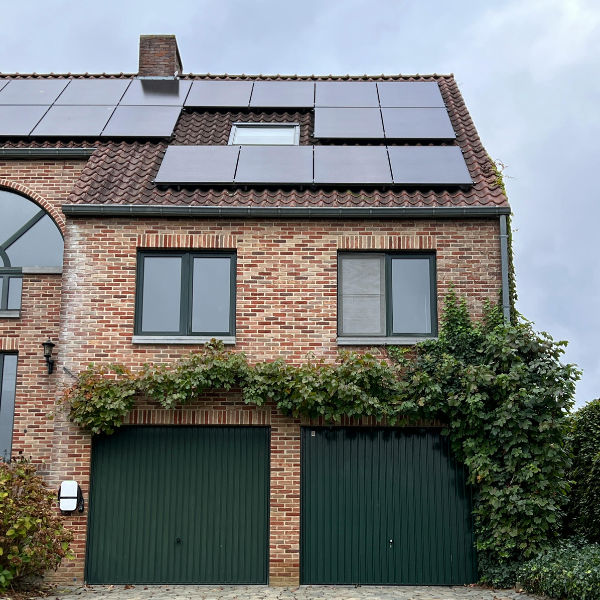
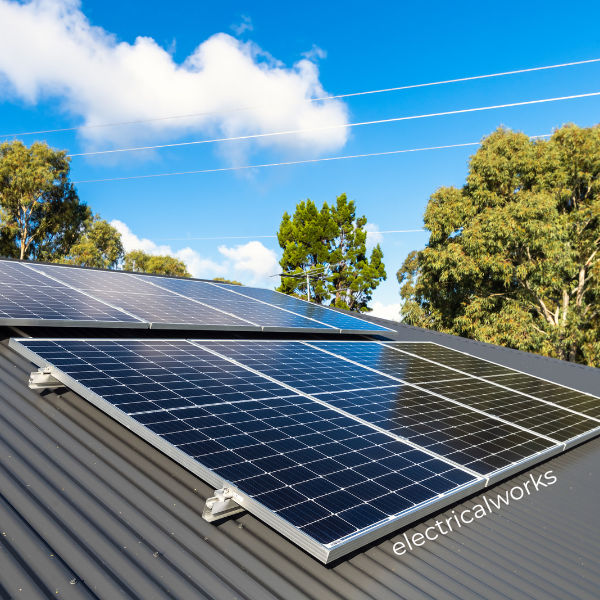
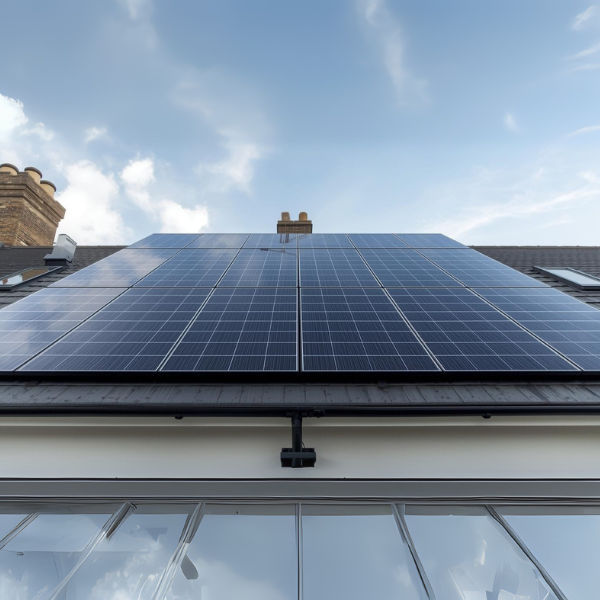
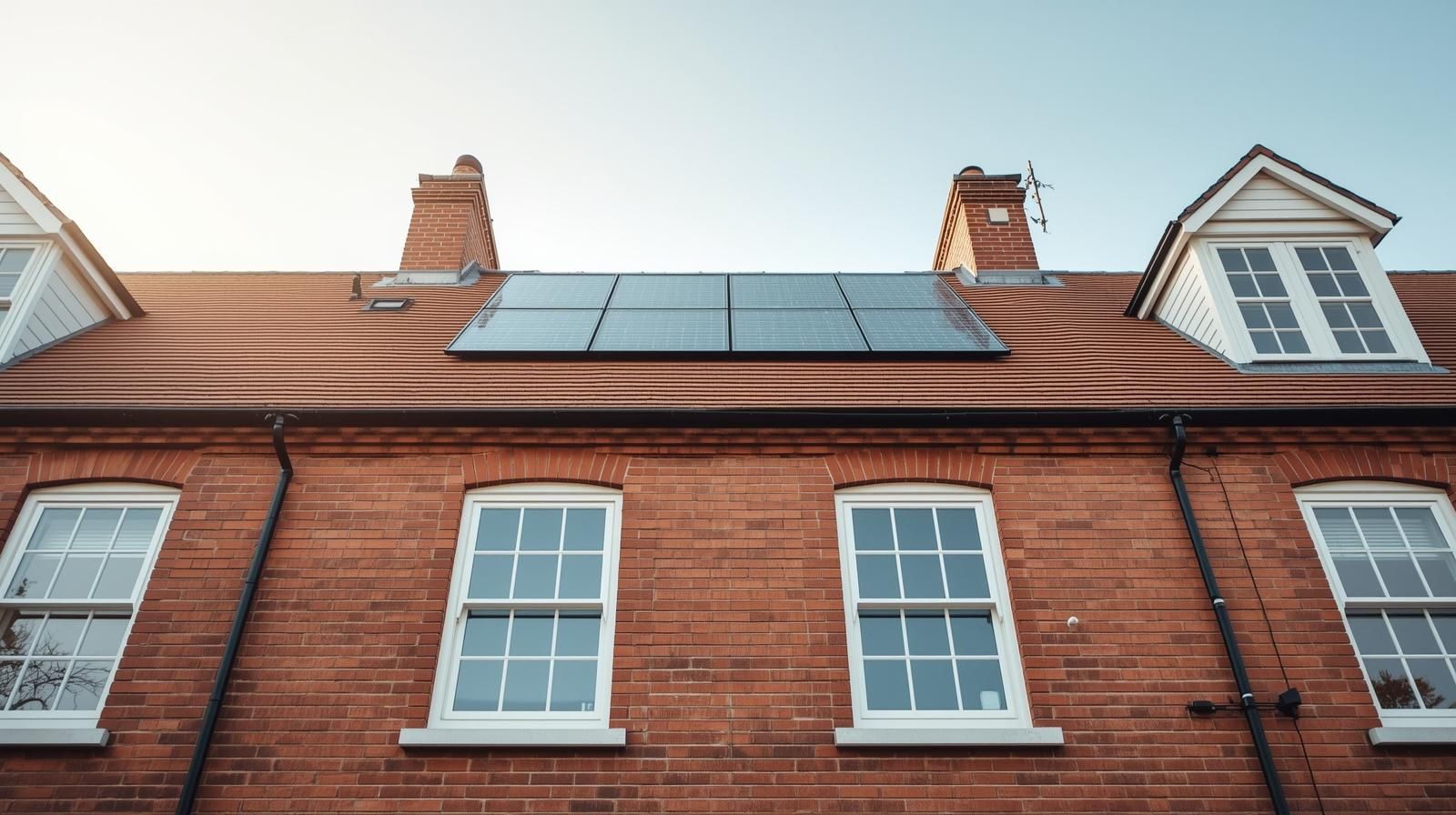
Residential property with integrated rooftop solar panels

Solar Performance Depends on Getting the Foundations Right

A solar system is only as reliable as the electrical installation it connects to. Consumer unit capacity, supply cable rating, earthing arrangement and protection coordination all need to be assessed for the combined load of solar generation, battery storage and EV charging before a single component is ordered. We carry out that assessment as part of the design process - so the system delivers what the model predicts, and continues to do so through shading variation, tariff changes and evolving usage patterns. Consumer unit readiness and electrical infrastructure are assessed alongside every solar enquiry.

Choose the Right Solar Pathway

Every property is different. The right solar pathway depends on your consumption profile, electrical infrastructure, battery ambitions and whether you are planning EV charging now or in the future. Here are the four most common starting points.

Performance Solar PV

A high-efficiency solar PV system designed around your roof geometry, shading profile and consumption data. Panels, inverter and cabling are specified together for reliable long-term generation. Battery storage can be added from the outset or planned in as a future expansion. All systems are designed and delivered in line with relevant UK grid-connection and electrical installation requirements.

Explore Solar Panel Installation

Solar + Battery Storage

Solar and battery co-designed from the start. The inverter, supply cable and consumer unit are sized for the combined load in one calculation, avoiding the compromises that arise when storage is added retrospectively. The battery captures surplus daytime generation and can be scheduled to charge on lower-cost overnight tariffs where available. More about solar and battery combinations.

Explore Battery Storage

Solar + EV Charging

Solar generation and EV charging designed together from the outset, even without battery storage. The charger is configured to draw on solar surplus first, with dynamic load balancing and concealed cabling specified alongside the panel layout. A practical pathway for households prioritising EV running costs. More about solar and EV charging.

Explore Solar EV Charging

Full Solar, Battery & EV Energy Ecosystem

Solar, battery storage and EV charging designed as one integrated system. A single electrical infrastructure assessment covers the full combined load. The EV charger is configured to draw on solar surplus before falling back to stored or grid energy. This approach removes the need for repeated DNO applications and avoids the infrastructure compromises of sequential installation. See the complete energy ecosystem or solar and EV charging combined.

Explore Complete Ecosystems
Solar panels on an agricultural barn roof Solar panels at a farm estate

Specialist Solar Applications: Agricultural Microgrids

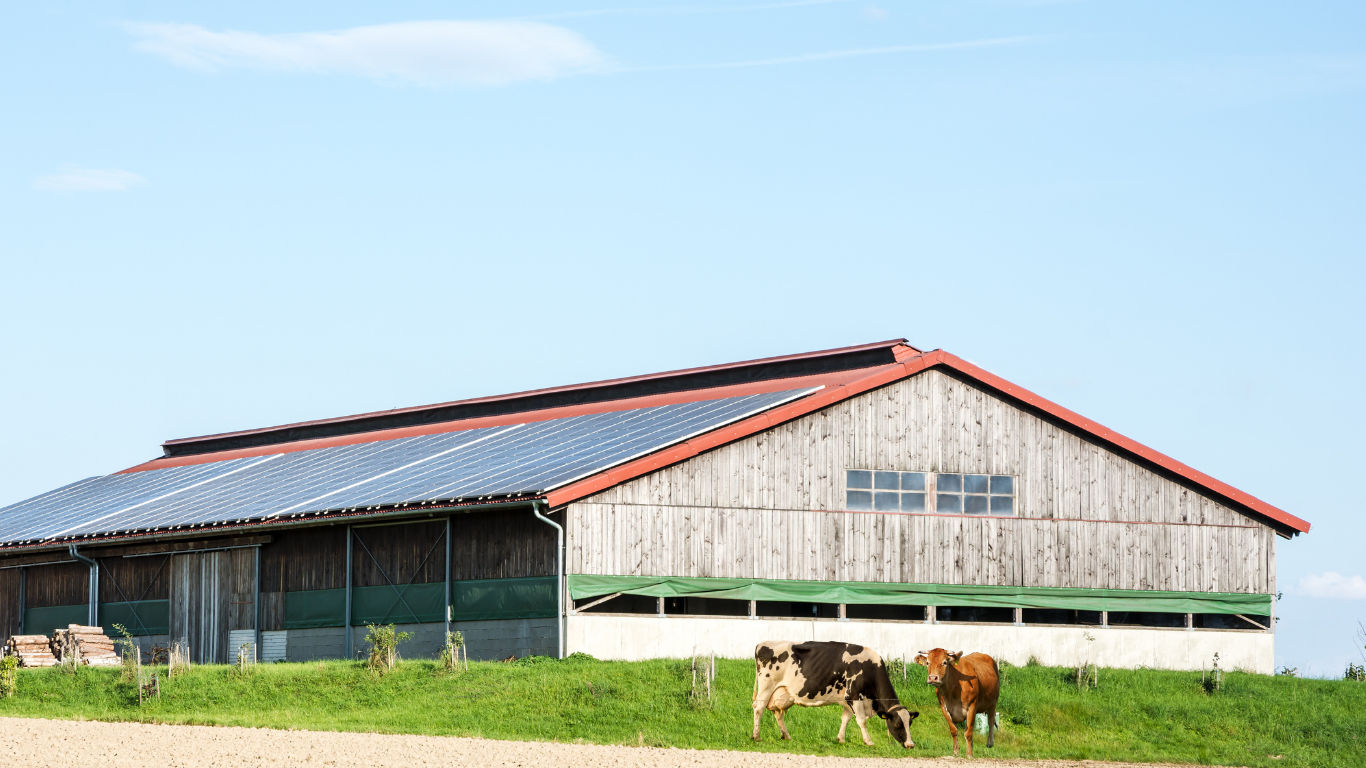
For farm estates and agribusiness operators, we engineer barn-roof PV, battery storage and three-phase autonomous charging as a coordinated microgrid. DNO approvals, export management and fleet dispatch are integrated from the initial load calculation. A specialist application - not our primary residential focus, but delivered to the same engineering standard.

Explore Agricultural Microgrids

Four Pillars of Premium Solar & Storage Delivery

Solar and electrical CAD layout documentation

Technical Solar Design

Design precedes procurement. We carry out CAD layout, horizon shading analysis and string architecture planning for your specific roofscape before any hardware is specified. The design also covers electrical integration - consumer unit capacity, supply cable rating, protection coordination and DNO export constraints - so all components are chosen with the full system in mind. Full documentation supports certification requirements and future expansion pathways. See our design process.

Explore Panel Engineering
Home battery storage system installation Solar and battery installation documentation

Smart Storage Integration

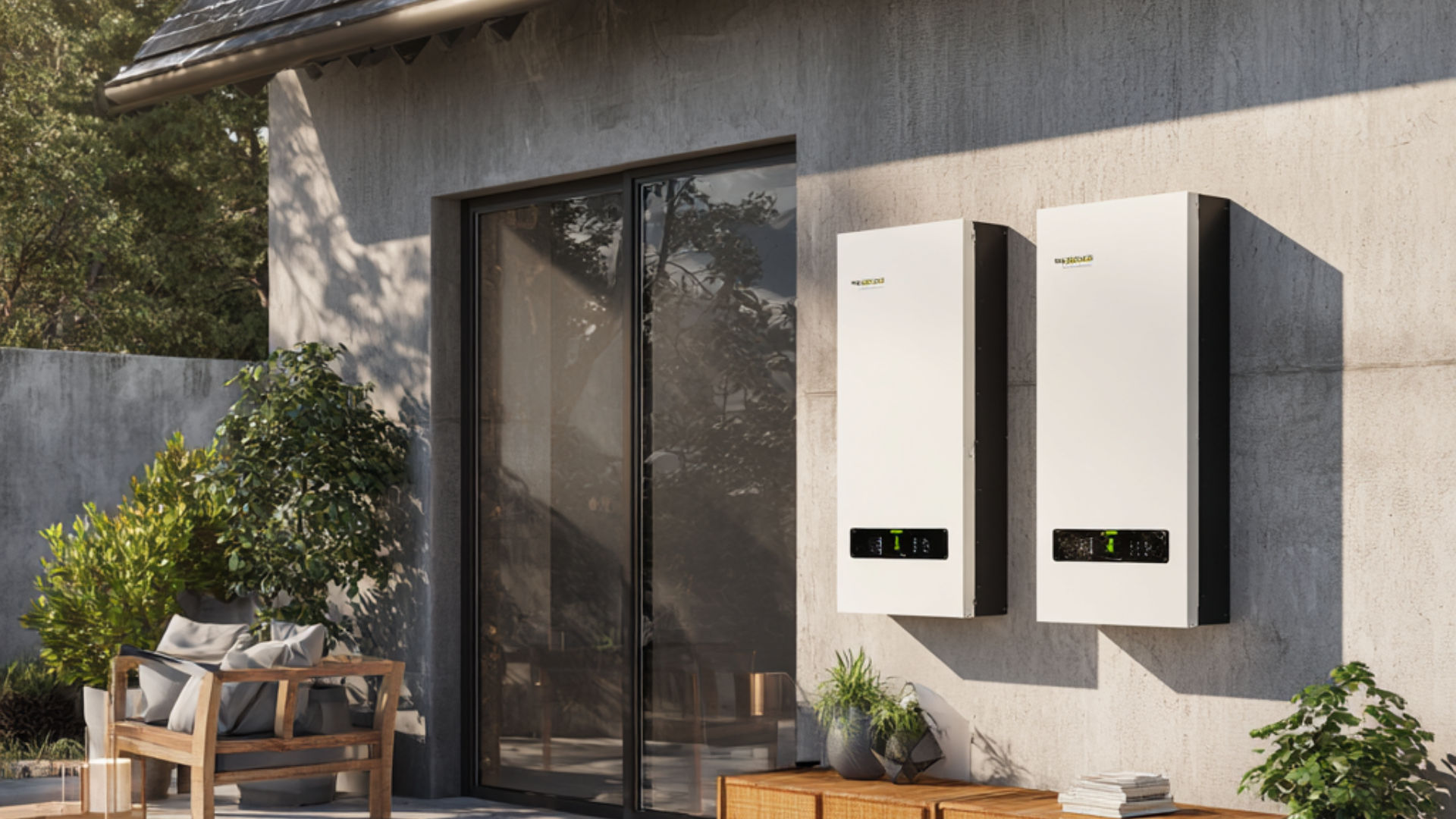
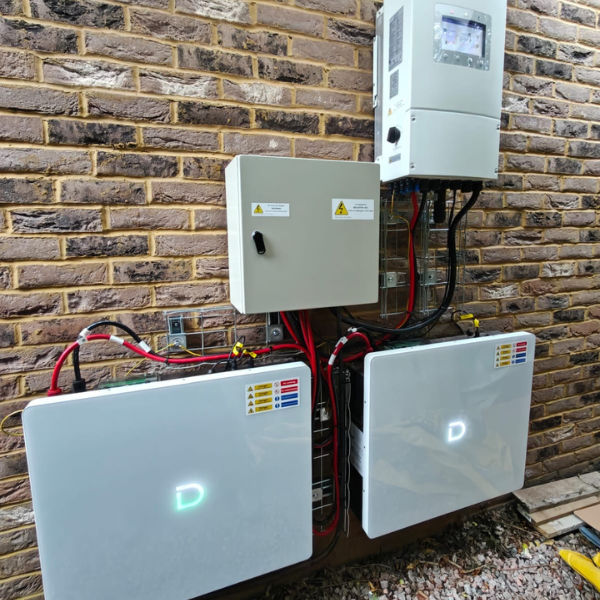
Battery storage adds self-consumption, resilience and smart tariff capability to a solar system. We design and install storage platforms - sized to your load profile and usage patterns - with hybrid and AC-coupled architectures selected on technical merit. More about battery storage.

Solar installation warranty documentation Estimated savings modelling on a screen

Realistic Savings Modelling

Before any work is approved, we model realistic savings based on your actual bills, tariff structure and estimated generation. Equipment costs, scaffolding and electrical adaptation are costed transparently. We are clear about what the numbers mean and where assumptions are made. Explore financing options.

Solar generation monitoring app on a smartphone Technician checking solar inverter performance data

Performance Monitoring

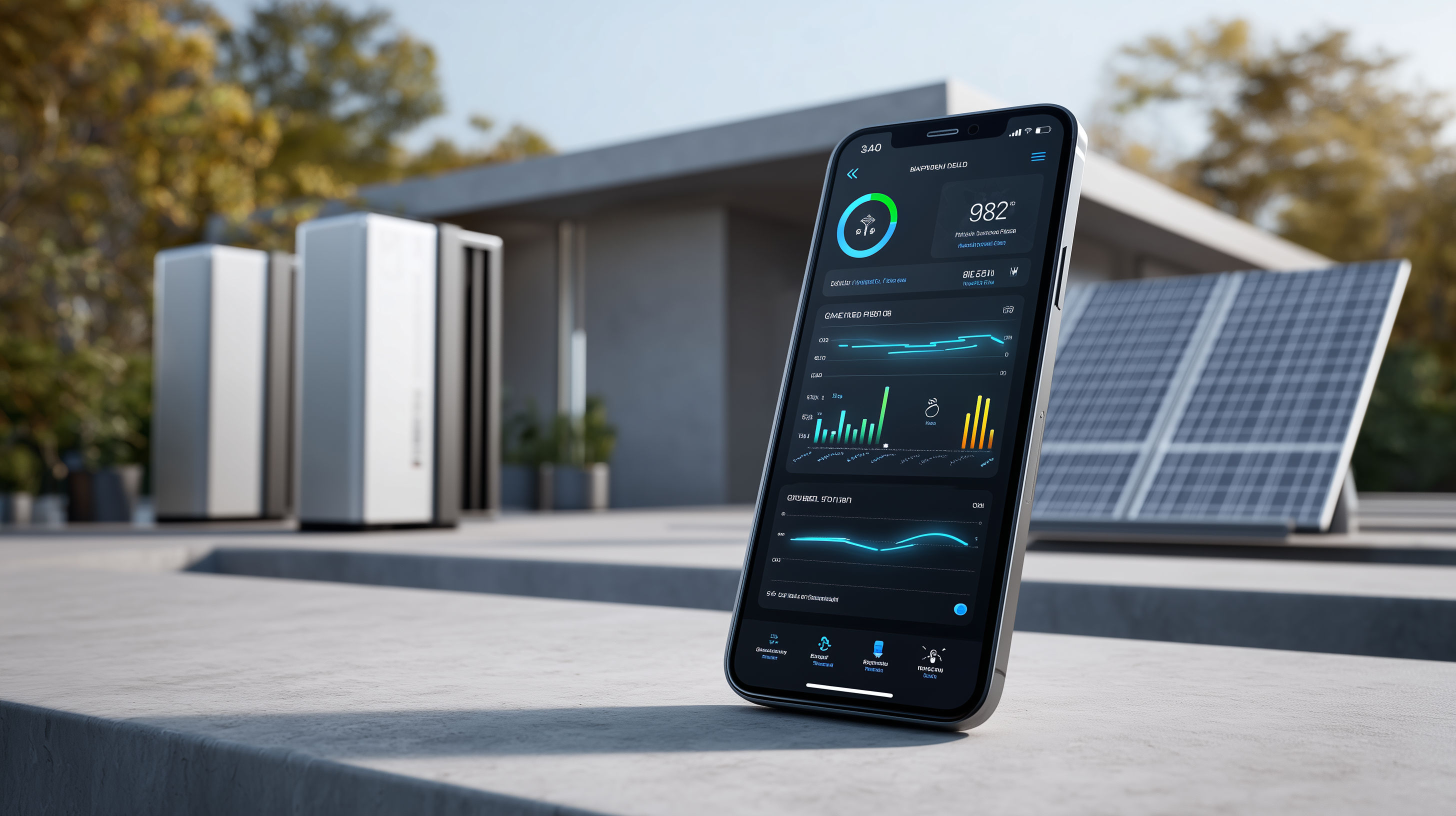
Cloud-based monitoring gives visibility of generation, export, battery cycling and any fault conditions from day one. Ongoing alerts and annual health checks support long-term performance and keep the system running at its intended output.

Selected Projects

A selection of solar installations across Surrey and South West London, where rooftop PV, battery storage and EV charging integration were designed around the property’s architectural character and electrical infrastructure. Each project represents a system built to a consistent engineering standard - from initial assessment through to commissioning and monitoring handover.

Residential rooftop solar PV array

Richmond Yield Upgrade

Greater London

Solar panels on a contemporary home

Kensington PV Integration

West London

Rooftop solar panel installation on a residential property

Wimbledon Production Asset

South West London

Home battery storage unit

Chiswick Storage Stack

West London

Architectural solar panels integrated into a roofline

Hampstead Maintenance Audit

North London

Solar panels integrated on a residential roof

Chelsea Architectural PV

Central London

We Assess Before We Recommend

A well-performing solar system depends on more than panel count. Before any proposal is made, we assess your roof orientation, shading factors, consumption profile and electrical infrastructure - including consumer unit capacity, supply cable rating and any DNO export constraints. That assessment shapes every component decision, from inverter sizing to battery architecture to EV charger compatibility.

Request Expert Assessment
Engineer explaining energy options to a client
  • Bespoke System Design

    Array layout, inverter selection and storage sizing are specified for your property - not taken from a default configuration.

  • Installation Quality Standards

    Systems are designed and installed in line with relevant UK electrical and solar installation standards, with proper documentation throughout.

  • Long-Term Performance

    Thermal checks, protection coordination and commissioning documentation support system reliability from the day of handover.

  • Ongoing Yield Partnership

    Monitoring insights and maintenance pathways sustain performance - and keep grid dependency trending downward.

Why Electrical Infrastructure Matters for Solar Performance

Solar panels generate DC electricity. What happens to that electricity - how it is converted, stored, exported, or used for EV charging - depends entirely on the quality and capacity of the electrical installation behind them. Consumer unit condition, supply cable rating, earthing, protection coordination and DNO export limits all affect what a solar system can safely and reliably deliver. We assess all of these as part of every solar design.

Rooftop solar PV array on a residential property

Inverter and System Architecture

The inverter is the core of a solar system. MPPT configuration, battery charge and discharge settings, backup gateway integration and export limiting all need to be set correctly for the installation to perform as designed. We select and configure inverter architecture based on your site conditions, load profile and storage requirements - not on a default spec sheet.

Home battery storage unit

Battery Storage and Smart Tariff Optimisation

A battery system linked to time-of-use tariffs can shift energy consumption away from peak-rate periods, improving the financial return of a solar installation over time. EMS scheduling, tariff-aware charging and firmware settings are configured at commissioning and reviewed as part of ongoing maintenance. More about battery storage.

Solar monitoring dashboard showing generation and export data

Monitoring and Long-Term Performance

Cloud monitoring gives visibility of generation, export and battery behaviour from day one. Anomalies are flagged before they become faults. Sub-meter data and vendor portal integration let you track actual performance against the modelled figures we provided at the design stage.

Engineering Leadership Behind Every Array

Founded by Georgi Tangarov, electricalworks brings two decades of field discipline to renewable energy infrastructure - rejecting rushed templated layouts in favour of bespoke simulations, transparent modelling and accountable commissioning on London's most demanding properties.

SolaX Power logo
SolarEdge logo
Sigenergy logo
Fox ESS logo
Eurener logo
EcoFlow logo
Connect EV logo

Designed for the Property. Built for the Long Term.

A solar system that performs well for decades is not the result of fitting the largest panel count onto a roof. It comes from a considered design that accounts for roof geometry, shading variation, household consumption patterns, electrical infrastructure capacity and how the system will be used over time. That design discipline - applied consistently from the first assessment to commissioning - is what separates a system that holds its performance from one that disappoints within a few years.

Information Hub

Client Feedback

Feedback from homeowners who have had solar, battery and EV systems installed across Surrey and South West London.

"The system was designed around our specific roof and consumption profile, not a standard package. Everything was explained clearly, and the installation was clean and well-documented."

- Emma T., Surrey

"They were honest about shading and what we could realistically expect from the system. The battery integration has worked exactly as described and our grid import has reduced significantly."

- David L., South West London

"Retrofitting battery storage to our existing solar was straightforward. They assessed the consumer unit first and the whole process was properly managed from start to finish."

- Sarah J., West London

"The attention to detail on the installation was obvious. The system has been running reliably and the monitoring setup makes it easy to see what’s happening day to day."

- Jessica P., Surrey

"From the initial roof survey to inverter commissioning, the process was well managed and respected our property. The EV charger integration with the solar was handled in one go."

- Mark W., Richmond

Solar & Storage Guidance

Certification and Installation Standards

Solar certification logo

Solar installations in the UK involve G98/G99 grid-connection notifications, electrical certification under BS 7671 and compliance with manufacturer warranty requirements. Ensuring these are properly handled at the time of installation protects the system and the homeowner’s position with energy suppliers and insurers.

Smart Export Guarantee: What to Expect

Solar generation and export data chart

The Smart Export Guarantee pays for surplus electricity exported to the grid. Tariff rates vary between suppliers and can change. Export earnings work alongside self-consumption and battery savings - modelling all three together gives a more realistic picture of long-term performance than headline generation figures alone.

When to Add Battery Storage

Battery sizing options displayed on a screen

Battery storage increases self-consumption by capturing surplus generation that would otherwise be exported at a lower rate. It also provides resilience during supply interruptions and can be scheduled to charge on lower-cost overnight tariffs. The right battery size depends on your usage patterns, not just panel output.

How We Work

1. Assessment and Discovery

We review your bills, consumption profile, roof orientation and shading factors. We also assess the consumer unit capacity, supply cable rating and any DNO export constraints before anything else is discussed.

2. System Design

CAD layout, shading mitigation and electrical integration planning produce a design that accounts for panels, inverter, battery and EV charger as a single system - sized for your actual load, not a standard configuration.

3. Installation

Mounting, DC cabling, inverter commissioning and electrical integration carried out to BS 7671 with thermal verification and full photographic documentation on completion.

4. Commissioning and Handover

Monitoring portal setup, grid-connection documentation and EMS configuration completed before handover. You receive a full set of installation records and commissioning data.

5. Ongoing Support

Annual health checks, firmware reviews and performance monitoring keep the system running as designed as tariffs, usage patterns and equipment age over time.

See Our Full Process

Frequently Asked Questions

Is my home suitable for solar and battery storage?
Most homes with a south, south-east or south-west facing roof section of reasonable size are good candidates. A proper assessment also looks at your electricity consumption, consumer unit capacity, supply cable rating and any DNO export constraints that may apply. We carry out that assessment at the initial consultation and provide a clear, site-specific picture before any commitment is made.
Should I install battery storage at the same time as solar panels?
Installing solar and battery together is generally more efficient and avoids the infrastructure compromises of adding storage later. When both systems are co-designed, the inverter, supply cable and consumer unit can be sized for the combined load in a single calculation. It also allows a single DNO notification to cover both systems where applicable, rather than requiring a separate application later.
Can solar panels charge my electric vehicle?
Yes. A solar-compatible smart charger monitors generation in real time and adjusts its charge rate to match available surplus from your array. When linked to a battery system, the vehicle can also draw on stored solar energy during the evening. The result is a significant reduction in the amount of grid electricity used for vehicle charging, particularly during summer months. More about solar and EV charging.
Do I need a consumer unit upgrade before solar or EV charging?
It depends on the existing installation. Solar inverters, battery systems and EV chargers each introduce new load requirements. Before any hardware is ordered, the consumer unit capacity, supply cable rating and earthing arrangement should all be assessed for the combined load. In older properties, an upgrade may be needed to accommodate everything safely and in line with current wiring regulations. More about consumer unit upgrades.
What makes a premium solar installation different?
A premium installation starts with a proper assessment of your roof geometry, shading profile, consumption data and electrical infrastructure before any component is selected. The system is then designed as a whole - panels, inverter, battery and EV charger where relevant - rather than as separate products added sequentially. Installation quality, protection coordination and commissioning documentation matter as much as the hardware specification.
How does electrical infrastructure affect solar performance?
The consumer unit, supply cable rating and protection devices all affect what a solar system can safely deliver. If the consumer unit has insufficient capacity or outdated protection, the system may not be able to operate at its rated output. DNO export limits also determine how much surplus energy can be sent to the grid. Addressing the electrical infrastructure at the design stage avoids performance constraints and remedial work later. More about electrical installations.
Can SolarIQ estimate my roof potential before a site visit?
Yes. SolarIQ uses your address and roof characteristics to model estimated annual generation bands, self-consumption uplift with battery storage, and indicative payback ranges. It provides a useful starting point for understanding your options before a full engineering assessment is carried out on site.

Book Your Solar & Storage Consultation