Agricultural Microgrids: Engineering the Future of Automated Farming

Book an Engineering Call

Agricultural microgrids from electricalworks combine barn-roof solar, industrial battery storage and three-phase autonomous charging into one engineered system for farm estates and agribusiness operators across Surrey, Sussex and the Home Counties. They are suited to operations running electric robotic tractors, drone swarms or automated UTVs that need more power than a standard rural grid connection can reliably deliver, and the next step is a technical site survey of your buildings and existing supply.

Heavy-Duty Energy Infrastructure for Robotic Agriculture

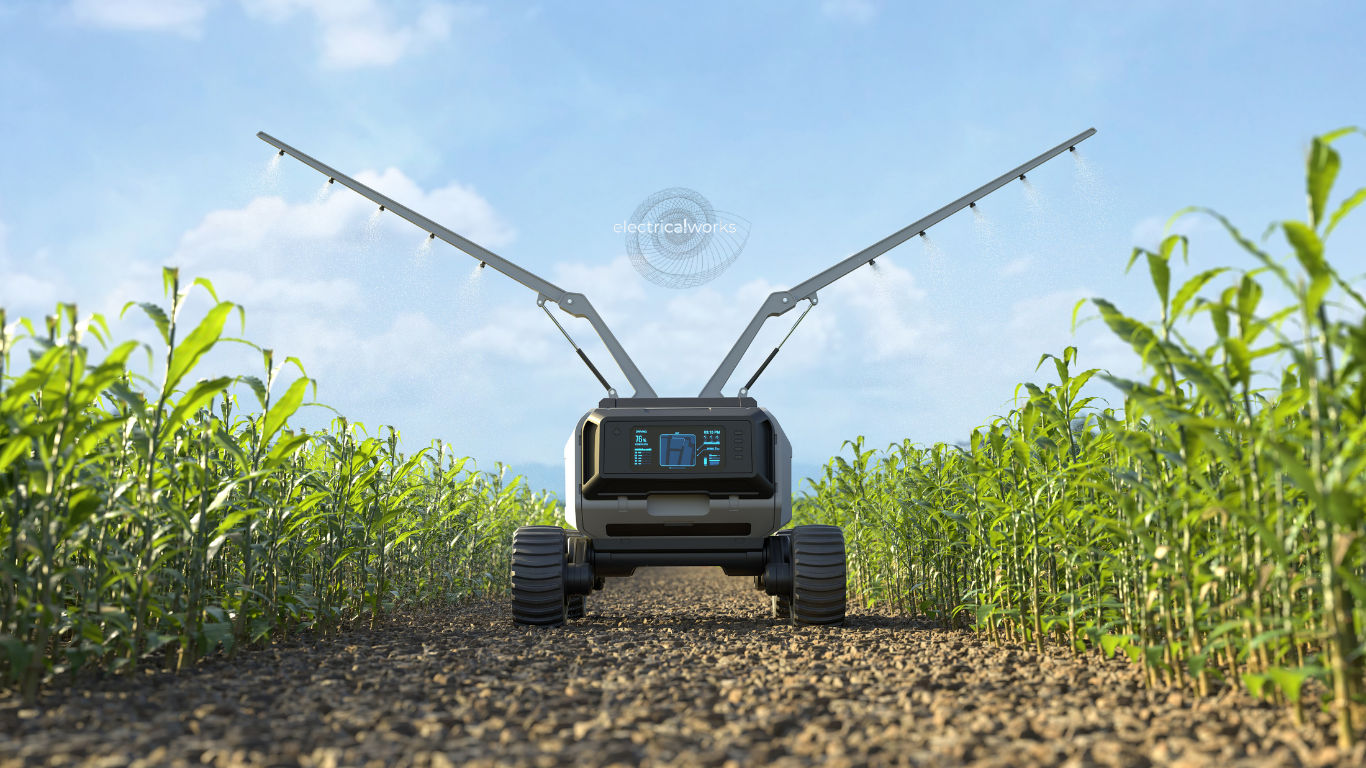
The future of farming is electric, autonomous, and data-driven. Operating electric robotic tractors, drone swarms, and automated UTVs requires substantial, reliable power that standard rural grid connections often struggle to deliver. We bridge this gap by transforming expansive barn, shed, and grain store roofs into high-yield microgrids, backed by intelligent industrial-scale storage.
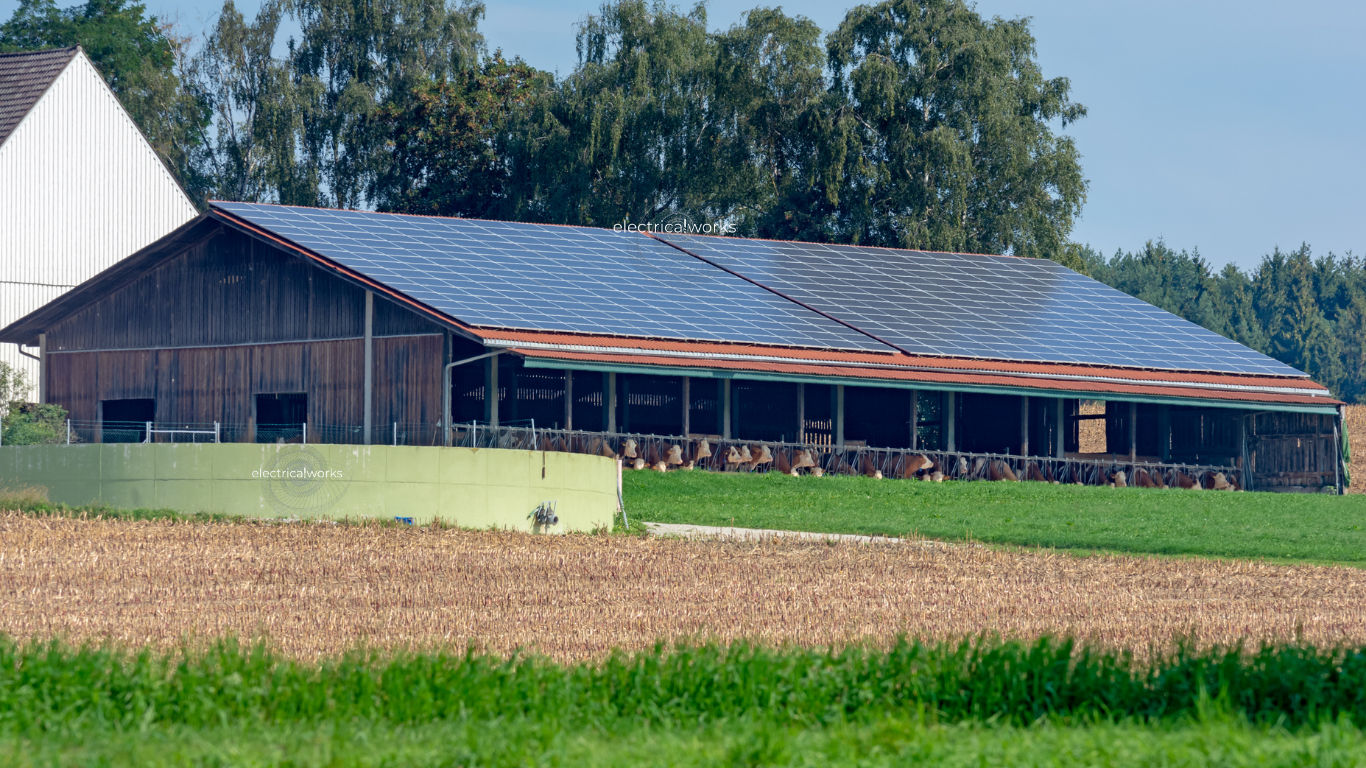
Solar panels on an agricultural barn roof

Two Pillars. One Autonomous Energy Platform.

High-net-worth estates and progressive agribusiness operators across Surrey, Sussex and the Home Counties require substantial, professionally engineered energy infrastructure, not consumer solar kits. We engineer both generation and dispatch infrastructure as a single, grid-aware microgrid programme.

Large-scale solar array and battery storage on a farm

Large-Scale Agri-PV & Industrial Storage

We convert large agricultural roof spaces into high-density solar assets using ammonia-resistant, dust-proof Tier-1 modules specified for barn, shed and grain store environments. Each array is paired with high-capacity industrial-scale battery buffers that absorb cheap off-peak night electricity and daytime solar surplus, then deliver substantial 3-phase power when heavy farm machinery and robotic fleets demand it. The result is a dispatchable on-site generation and storage system that can help reduce strain on weak rural grid infrastructure while turning dormant roof area into a valuable, productive energy asset - the actual financial return depends on system design, roof orientation, energy usage and tariff structure, and is assessed at survey stage.

Farm EV charging hub for agricultural vehicles

Autonomous Fleet Charging Infrastructure

We engineer heavy-duty, weather-proof, 3-phase smart charging hubs built specifically for autonomous electric tractors, high-payload transport EVs and automated spraying drone arrays. Every hub is integrated into the microgrid control layer so charging schedules align with solar generation, battery state-of-charge and fleet operational windows. Our experience managing complex G99 and G100 DNO applications with UK Power Networks and SSEN, combined with advanced Export Limiting technology, helps work through local grid constraints that routinely complicate conventional farm electrification programmes - final approval and any conditions remain at the DNO's discretion.

Frequently Asked Questions: Agricultural Microgrids

Is my farm or estate suitable for an agricultural microgrid?
Suitability depends on your available roof area on barns, sheds or grain stores, the electric or autonomous machinery you plan to run, and your existing three-phase supply capacity. We assess these factors at an initial site visit before proposing a system size.
What determines the cost of an agricultural microgrid?
Cost is driven mainly by the size of the solar array, the capacity of the industrial battery storage, the number and power rating of autonomous charging points, and any DNO reinforcement work needed for the combined load. We provide a site-specific costed proposal after the initial assessment, and actual figures vary by site.
What is the process for installing an agricultural microgrid?
We start with a site and load assessment covering your buildings, existing supply and planned machinery, followed by a system design covering solar, storage and charging infrastructure, DNO application and approval, then phased installation and commissioning with fleet dispatch configuration.
Can an agricultural microgrid run my entire fleet independently of the grid?
Not always. The proportion of fleet charging that can be met from solar and storage depends on your fleet size, duty cycles and available roof area. Most microgrids are designed to substantially reduce grid reliance rather than eliminate grid dependence completely, and we model realistic scenarios for your operation before specifying equipment.
What DNO and compliance requirements apply to an agricultural microgrid?
Three-phase generation and storage above certain thresholds requires DNO notification or a full connection application, along with protection coordination and earthing arrangements suited to industrial-scale equipment. We manage the DNO submission and deliver the installation in line with relevant UK electrical and grid-connection requirements, though final approval and any conditions remain at the DNO's discretion.
What is the next step if I want to explore an agricultural microgrid for my farm?
Book a technical site survey so we can review your buildings, existing supply and planned machinery, and provide an initial assessment of what a microgrid could look like for your operation.

Commission Your Agricultural Microgrid Programme

If the form does not work, email hello@electricalworks.uk or book a consultation.