1
Visual Inspection
We start by visually checking accessories for breakage, wear, and signs of overheating without switching off the power initially.
An Electrical Installation Condition Report (EICR) assesses the condition of a property's fixed wiring and identifies deterioration, defects and areas of non-compliance. Landlords, homebuyers, insurers and property managers use EICRs for compliance and due diligence. An EICR is also a sensible starting point before adding solar panels, battery storage or an EV charger, as it establishes the current condition of the electrical infrastructure these systems will connect to. Electrical safety inspections should be carried out by competent professionals using calibrated test equipment in line with relevant standards.
A domestic EICR typically takes from around two hours for a small flat to a full day for a larger house, depending on circuit count, access to the consumer unit and whether the installation is straightforward to test. Reports are usually issued within 24-48 hours of inspection where possible. Cost depends on property size, number of circuits, access, whether out-of-hours attendance is needed for commercial premises, and whether remedial work is requested on the same visit. We quote after confirming scope - there are no hidden call-out fees in our fixed inspection price.

Our EICR certificates are produced to a standard recognised by insurance companies, local councils, and letting agents, with certification handled by appropriately qualified professionals.

No handwritten scrawls. You receive a clear, typed PDF report including photographic evidence of any defects found (C1, C2, C3 codes).

We understand deadlines. Reports are typically issued within 24-48 hours of inspection, and we can arrange remedial works immediately if required.



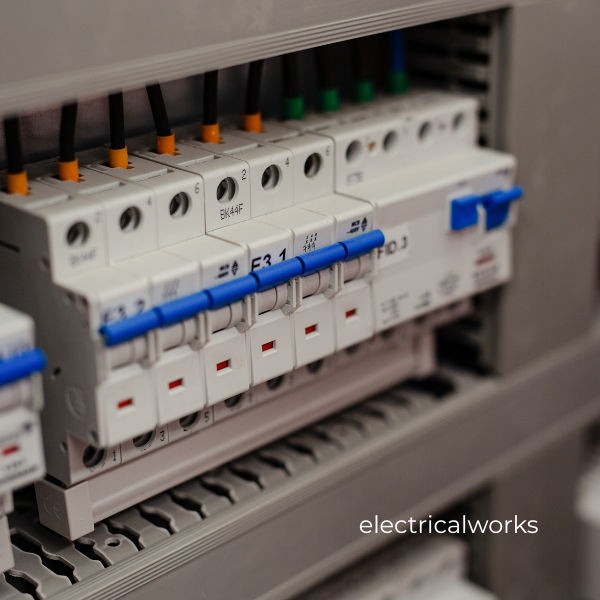
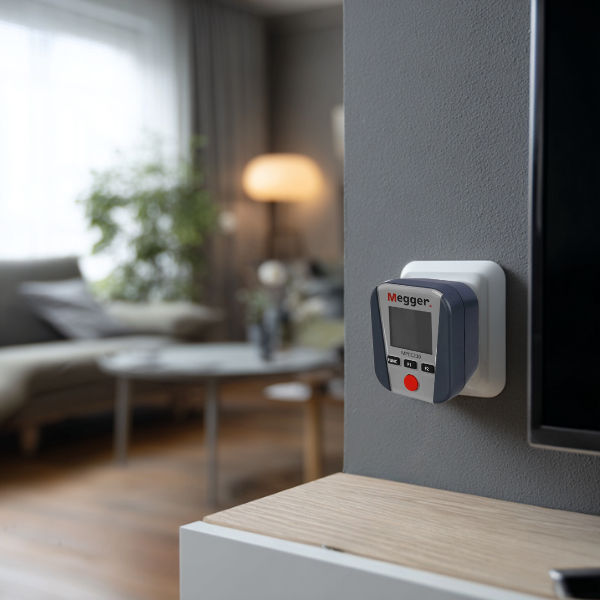
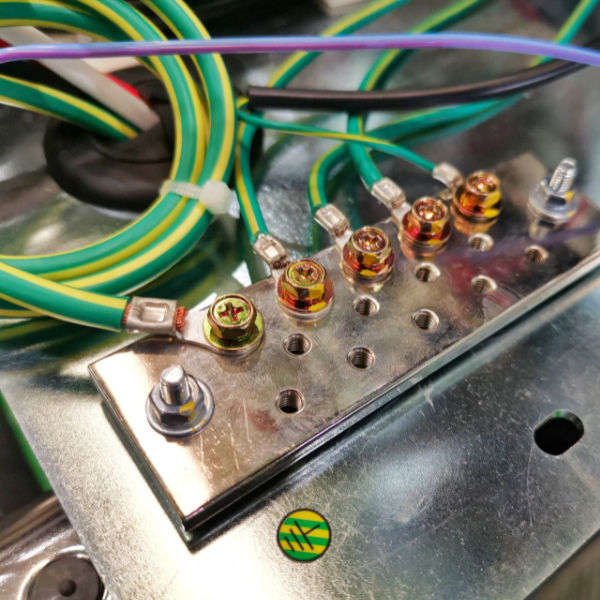
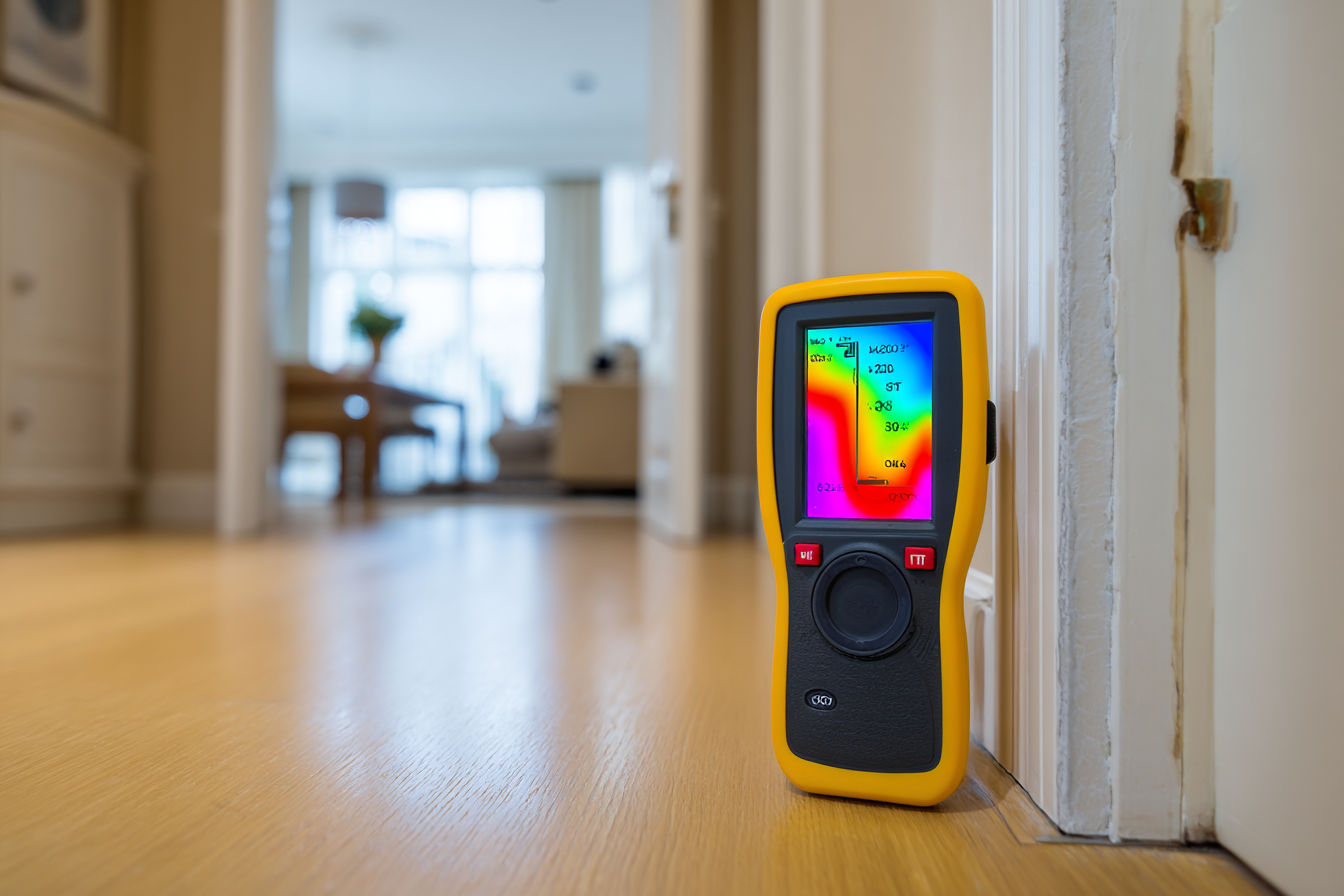
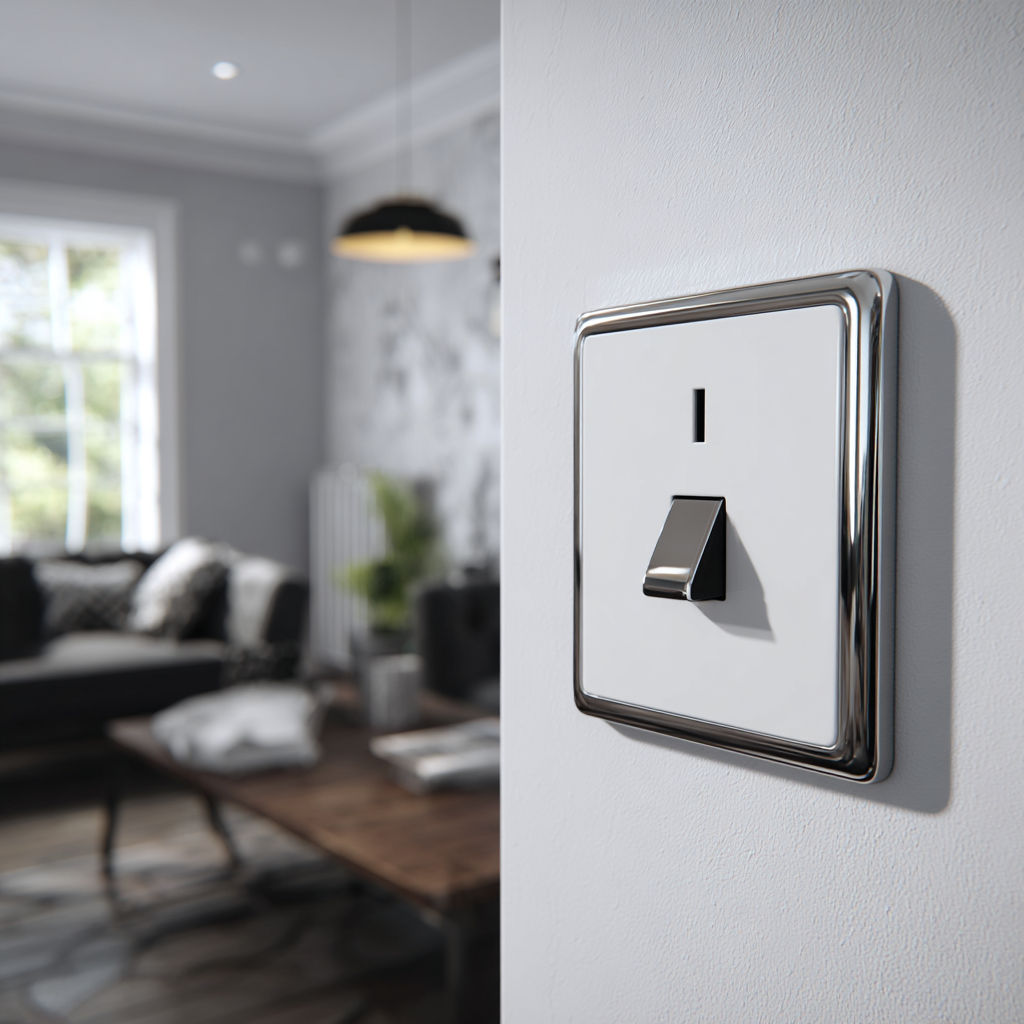
We start by visually checking accessories for breakage, wear, and signs of overheating without switching off the power initially.
Power is isolated. We perform continuity, insulation resistance, and polarity tests to check the health of the hidden cables.
Power is restored to test Earth Loop Impedance and RCD trip times, ensuring safety devices activate fast enough.
We issue the EICR. If 'Satisfactory', you're compliant. If 'Unsatisfactory', we provide a clear quote for remedial work.
It is a legal requirement for landlords in the Private Rented Sector (PRS) to have electrical installations inspected every 5 years. We ensure your property is compliant with current BS 7671 regulations, keeping your tenants safe and your liability covered.


Don't inherit someone else's problems. A standard building survey won't check the wiring. Our Homebuyer Electrical Report gives you a full picture of the electrical health before you exchange contracts, potentially saving you thousands in rewiring costs.


For offices, retail spaces, and warehouses, compliance is key to insurance and employee safety. We offer periodic inspections tailored to minimize business disruption, including out-of-hours testing for critical circuits.



"Needed an EICR urgently for a new tenant. Electrical Works were there the next day. The report was thorough and they explained the C2 faults clearly without pressuring for unnecessary work."
"Saved me buying a money pit! The pre-purchase inspection revealed the house needed a full rewire. The detailed report helped me negotiate the price down significantly."
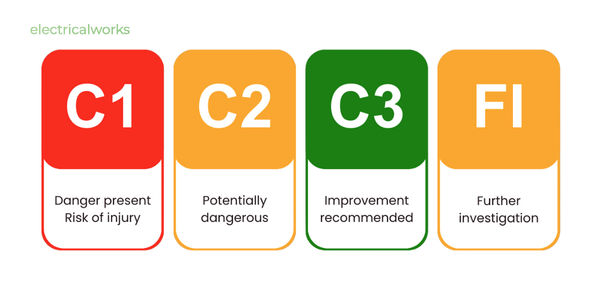
Reports use codes: C1 (Danger Present - immediate action), C2 (Potentially Dangerous - urgent action), and C3 (Improvement Recommended). C1 and C2 result in an 'Unsatisfactory' report.
.png)
Landlords require an EICR every 5 years or at change of tenancy. Homeowners are recommended every 10 years. Swimming pools and special locations require more frequent testing.
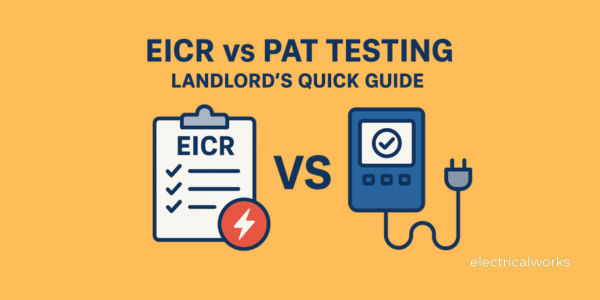
EICR tests the fixed wiring (sockets, cables, fuse board). PAT testing checks portable appliances (kettles, lamps). Both are usually required for rentals.
Common situations include: landlords renting a property (where periodic inspection is a legal requirement in England), homebuyers assessing an unfamiliar electrical installation, insurance requirements, prior to major renovation work, and before adding new energy systems such as solar panels or EV charging. An EICR establishes the current condition of the installation so informed decisions can be made about any remediation or upgrades needed.
No. An EICR (Electrical Installation Condition Report) assesses the condition of an existing installation - it tests the fixed wiring and records observations about safety and compliance. An Electrical Installation Certificate (EIC) is issued for new electrical work, certifying that the work meets the required standard at the point of completion. Both are distinct documents with different purposes.
Yes. An EICR or targeted assessment of the consumer unit, earthing and main circuits is a sensible step before connecting new energy systems. A consumer unit upgrade or rewiring may be identified as needed before a solar inverter, battery or EV charger can be safely installed. We typically review the electrical condition as part of any solar, battery or EV charging survey.
Defects are coded C1 (immediate danger), C2 (potential danger) and C3 (improvement recommended). C1 and C2 observations result in an unsatisfactory report and require remediation. We provide a clear explanation of each observation and what would be needed to address it, so you can make an informed decision. We quote for remedial work separately.
A domestic EICR typically takes from around two hours for a small flat to a full day for a larger house, depending on circuit count and access. Cost depends on property size, number of circuits, access, commercial out-of-hours requirements, and whether remedial work is requested on the same visit. Reports are usually issued within 24-48 hours of inspection where possible.

We don't do "drive-by" inspections. Our EICR process is forensic.
The Electrical Works Standard: