The Complete Energy Ecosystem - Surrey and SW London's Most Advanced Integrated Solar, Battery and EV Installation

Book an Engineering Call

Three Separate Products Create Three Separate Failures. One Ecosystem Creates One Asset.

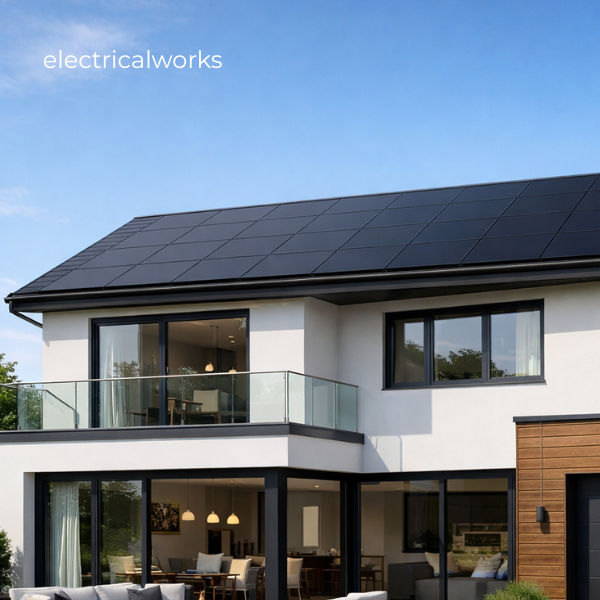
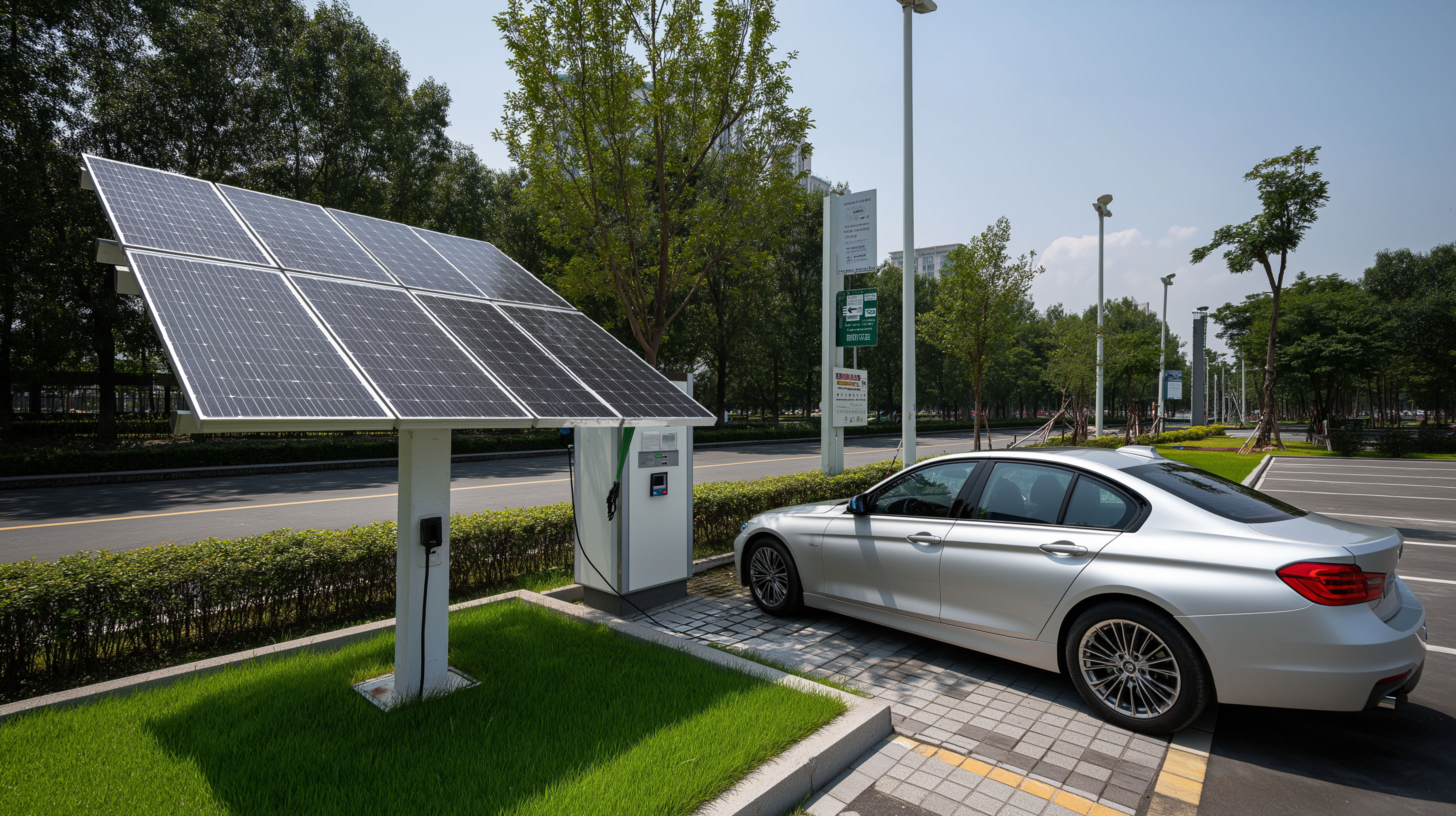
When solar panels, battery storage, and an EV charger are purchased independently from separate contractors, the property ends up with three systems that share a roof and a consumer unit but cannot communicate with each other. The battery platform uses one app. The inverter uses another. The EV charger has no knowledge of what the solar array is generating or what the battery holds. Scheduling decisions that should be automatic become manual. Tariff optimisation that should be unified becomes fragmented. Cabling that should be sized for the combined peak load of all three components is sized for one at a time, creating bottlenecks that require expensive rework when the second or third system is added. We design differently. The Complete Energy Ecosystem is engineered as a single unified architecture from the first engineering session. Solar, intelligent storage, and smart EV charging are selected for platform compatibility, designed for a shared communication layer, and commissioned together so that all three systems operate through a single automated intelligence - harmonising power distribution in real-time, prioritising household loads, scaling battery capacity to seasonal generation cycles, and diverting surplus solar directly into the vehicle from the moment the charger is installed. The result is a Surrey or SW London luxury estate that is not merely energy-efficient - it is energy-sovereign.

The Four Pillars That Define the Complete Ecosystem Advantage

MCS certified installer badge — solar PV and battery warranty eligibility for SEG, electricalworks London

The 0% VAT Strategic Advantage

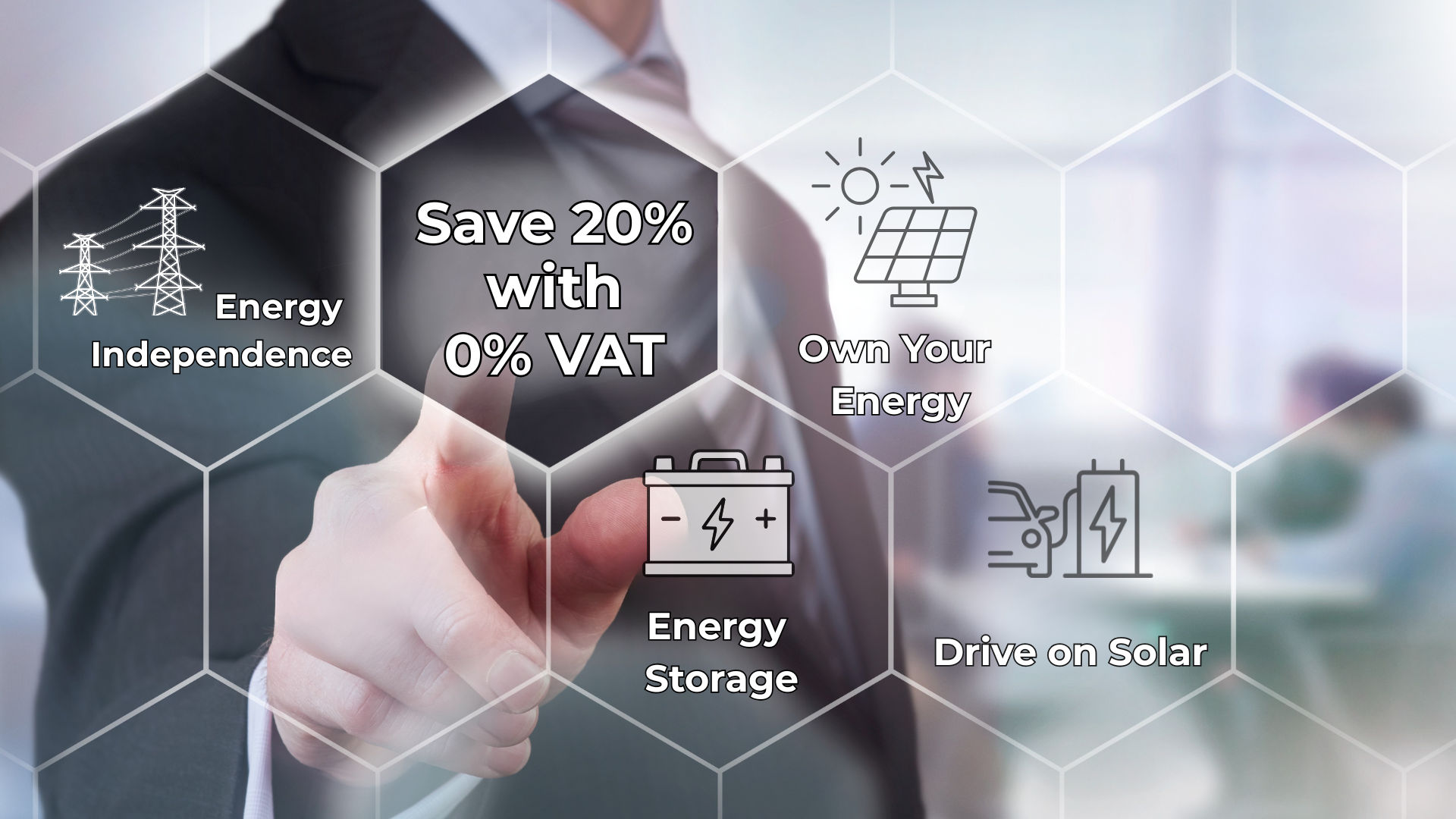
A standalone EV charger attracts 20% VAT as a consumer electrical product. When the same charger is engineered as an integral component of a complete solar and battery installation under HMRC energy-saving materials legislation, the entire project - solar panels, inverter, battery, mounting hardware, EV infrastructure, and all installation labour - qualifies for 0% VAT. On a complete Surrey ecosystem investment of 40,000 GBP, this represents an immediate capital saving of 8,000 GBP applied directly at invoice. This is not a rebate, not an application, and not a delayed incentive. The saving is built into the project cost from the moment the installation is scoped as a unified energy system.

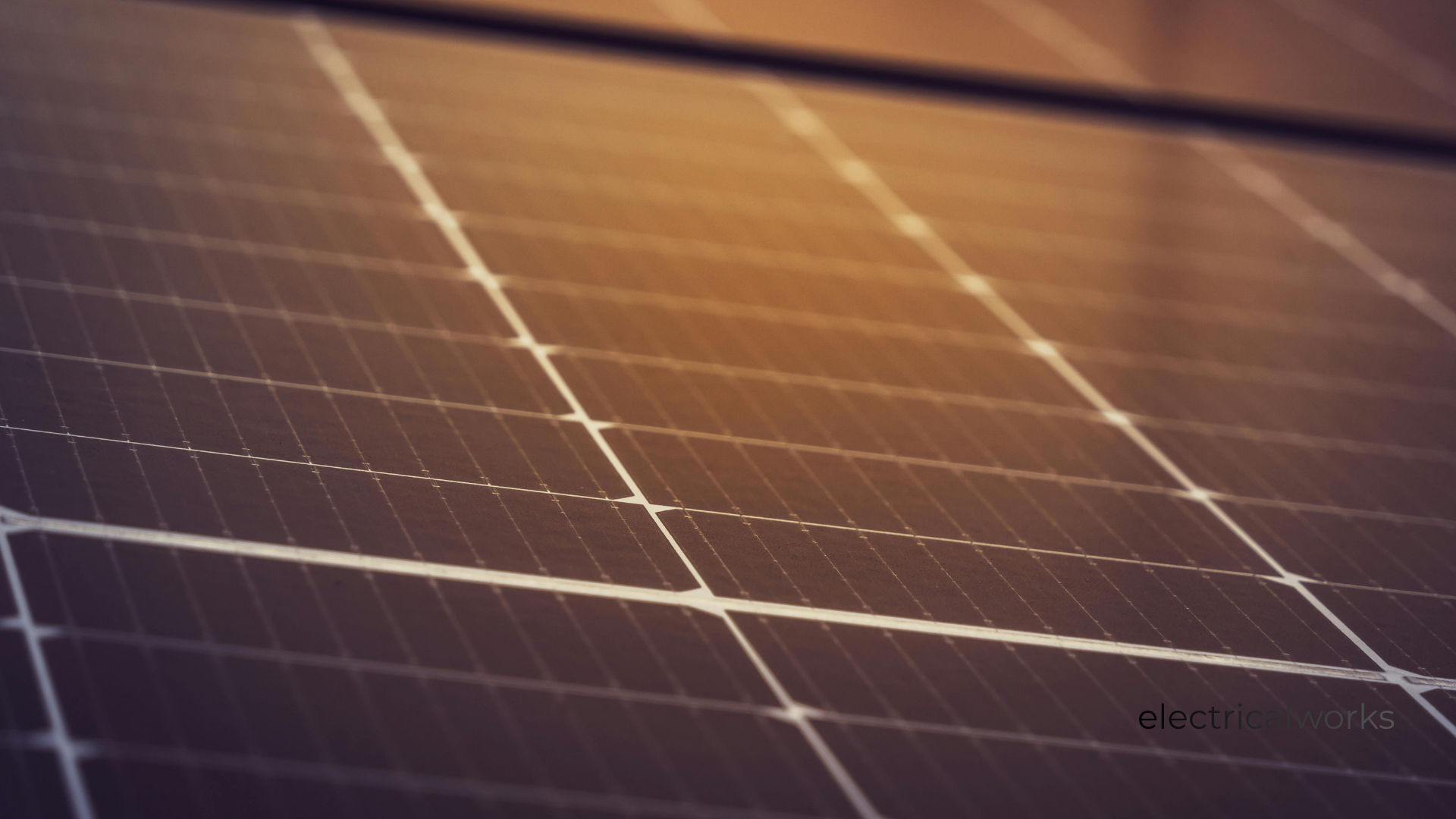
Twenty-five year linear power warranty badge on solar module — manufacturer-backed MCS install London electricalworks

Smart Grid Orchestration and 90% Bill Reduction

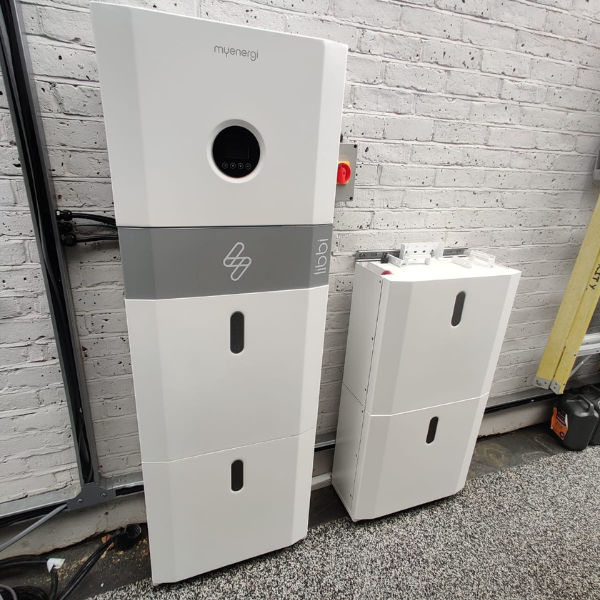
We specify complete ecosystems where solar, battery, and EV charger are selected for platform compatibility - SolarEdge inverter with GivEnergy or Tesla battery and Zappi EV charger, for example - ensuring they communicate as one system and are scheduled together for maximum Octopus tariff benefit. The Complete Energy Ecosystem operates on a 24-hour optimisation cycle managed by a single platform intelligence. For a Surrey 5-bedroom property consuming 14,000 kWh annually, this architecture consistently delivers over 85% self-consumption and reduces the combined household energy and transport bill by 85 to 92% compared with an all-grid baseline.

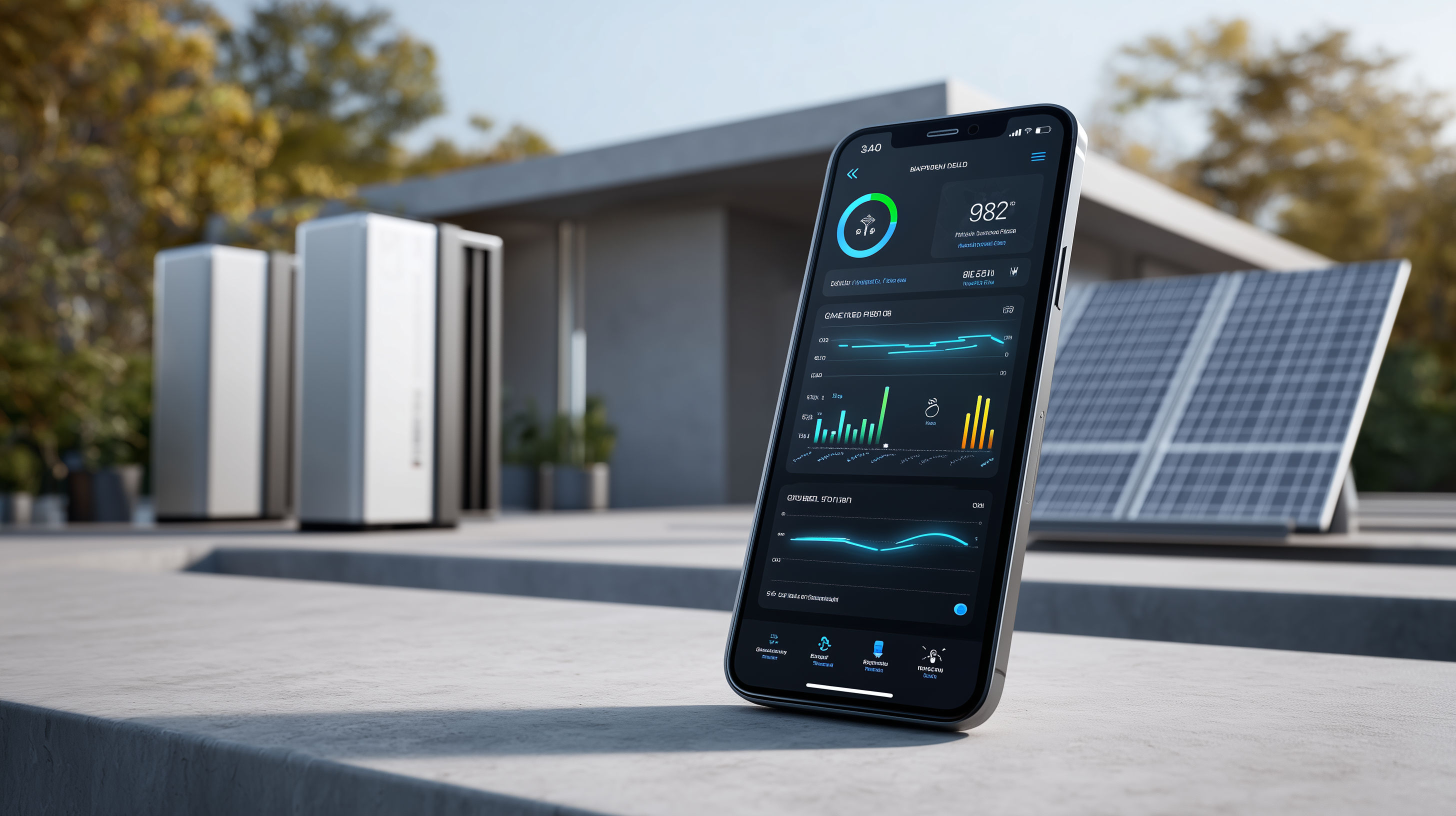
SolarEdge SetApp or inverter app on smartphone — live kWh production for London MCS customers electricalworks

Future-Proof Infrastructure and V2G Readiness

A correctly specified complete ecosystem typically achieves over 85% self-consumption for a Surrey 4-5 bedroom property. Every installation we complete is specified with the consumer unit infrastructure, earthing topology, and cable sizing required to add Vehicle-to-Grid capability without structural rework when bi-directional charger technology becomes mainstream. Every battery platform we specify supports modular capacity addition, allowing a second or third battery unit to be installed in year 5 without replacing the inverter or rerunning cabling. The asset grows with your energy ambitions.

Technology Partners

Trina Solar monocrystalline panel brand logo — MCS-certified rooftop arrays South and West London
SolarEdge HD-Wave inverter brand logo — shaded solar design with module-level optimisation London
SonnenBatterie home storage brand logo — AC-coupled batteries for London solar retrofits
LG solar module brand logo — high-efficiency PV panels installed by MCS electricalworks London
Tesla Wall Connector and Tesla Energy brand logo — solar-linked EV charging by MCS-certified electricalworks
Trina Solar monocrystalline panel brand logo — MCS-certified rooftop arrays South and West London
SolarEdge HD-Wave inverter brand logo — shaded solar design with module-level optimisation London
SonnenBatterie home storage brand logo — AC-coupled batteries for London solar retrofits
LG solar module brand logo — high-efficiency PV panels installed by MCS electricalworks London
Tesla Wall Connector and Tesla Energy brand logo — solar-linked EV charging by MCS-certified electricalworks

From First Engineering Call to Full Energy Independence

Whole-Estate Energy Audit

We retrieve your half-hourly Smart Meter data, annual EV mileage profile, roof geometry, and DNO export limit. A unified financial model projects solar yield, battery cycling performance, EV charging demand, SEG export income, and 25-year cumulative return as a single combined asset - before any commitment is made.

Unified System Design

Solar array, battery platform, EV charger, consumer unit upgrade, and V2G-ready infrastructure are co-designed as one architecture. A single G98 or G99 DNO application covers the complete combined peak load. Platform compatibility is confirmed across all three components before specification is finalised.

Co-Ordinated Installation

Directly-employed NAPIT and OZEV-approved engineers execute the complete ecosystem in one co-ordinated programme. All cable routes are surveyed and concealed. Solar, battery, and EV charger are installed and wired to BS 7671 standards by the same team, with no subcontractors and no handover gaps between components.

Full Commissioning and Tariff Activation

All three systems are commissioned and tariff-configured on the same day. You receive MCS certificate, G98/G99 DNO confirmation, OZEV compliance documentation, SEG registration, 0% VAT invoice, Octopus Intelligent activation, and all Tier-1 manufacturer warranties before engineers leave your property.

Our Engineering Standards

The Symphony Architecture: How the Three Systems Create One Intelligence

Every component in a co-designed ecosystem speaks the same language through the same control layer - independent units waste energy, unified systems compound it.

A single platform layer reads solar surplus, battery state of charge, EV demand, and grid tariff simultaneously, allocating power in real-time. During daylight, generation flows to household loads first, then the battery, then the EV charger in solar diversion mode - all without manual intervention.

  • Unified dispatch engine: one platform intelligence coordinates all three systems in real-time
  • Solar priority sequence: loads first, battery reserve second, EV diversion third - automatic and continuous
  • Overnight tariff coordination: battery and EV charge together on Octopus off-peak rates with dynamic load balancing
  • 85 to 92% cost reduction: unified operation delivers over 85% self-consumption on a typical Surrey estate
MCS designer reviewing roof plans and string layout - solar structural check London electricalworks SketchUp 3D solar shading model - irradiance simulation for London roofs MCS design

The 0% VAT Advantage: The Capital Loophole That Changes the Numbers

The tax classification of your project is determined at specification stage - we structure every quotation to confirm 0% VAT from the first financial model.

When the EV charger is installed as an integral component of a complete solar and battery system, HMRC treats the entire project as a single qualifying energy-saving installation. Panels, inverter, battery, EV hardware, cabling, and all labour qualify at zero-rate VAT.

  • EV charger at 0% VAT: zero-rated when specified as part of a complete solar and battery system
  • Full project coverage: panels, inverter, battery, mounting, EV hardware, and all labour included
  • Immediate capital saving: 8,000 GBP saved at invoice on a 40,000 GBP ecosystem project
  • Written confirmation: correct VAT treatment confirmed in writing at quotation stage
Sleek all-black solar PV on period roof - heritage integration London MCS electricalworks Flush in-roof solar mounting system - integrated roofline panels Kingston Richmond MCS

Aesthetic Preservation and Concealed Cable Topology for Luxury Properties

The finished estate should look as it did before the ecosystem was installed - except that it now generates and manages its own energy.

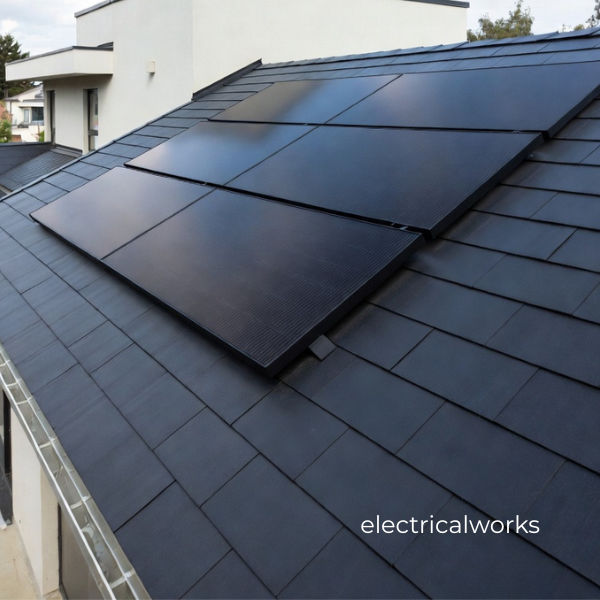
We treat the visual execution with the same rigour as the electrical design. All-black Tier-1 arrays, in-roof integration for heritage properties, and concealed cable routes surveyed through roof voids, wall cavities, and joist runs before any work begins.

  • All-black Tier-1 arrays: premium monocrystalline modules designed as intentional architecture
  • In-roof integration: panels embedded flush with the original tile plane on heritage properties
  • Concealed cable topology: EV and battery cabling routed through property structure with no exposed facade conduit
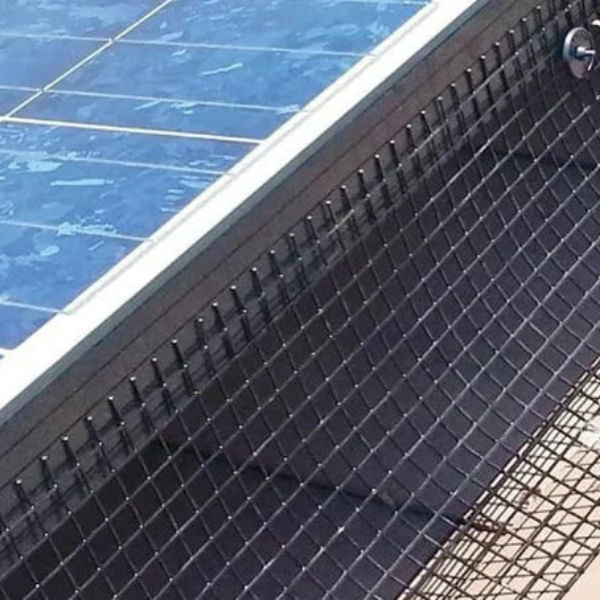
  • Bird protection as standard: high-quality mesh on all on-roof array perimeters included on every installation
Galvanised bird mesh along panel edge - wildlife exclusion without voiding warranty London Black PV cable in weatherproof trunking - neat DC cable management to inverter London MCS

The Full Financial Return: What a 25-Year Asset Actually Delivers

A Complete Energy Ecosystem is a capital asset with a 25-year productive life - it should be evaluated on return, not upfront cost alone.

For a Surrey 5-bedroom property consuming 14,000 kWh annually with 15,000 miles of EV driving, our pre-commitment model projects 88 to 92% grid import reduction from year one and combined energy and fuel costs falling from 4,800 GBP to under 600 GBP per year.

  • 25-year net return: 75,000 to 115,000 GBP modelled at current energy price trajectories
  • SEG export income: 200 to 350 GBP per year in residual export income from commissioning day
  • V2G-ready infrastructure: earthing and cable sizing designed for bi-directional charging without structural rework
  • Modular battery expansion: capacity addition in year 5 without replacing the inverter
Scaffold tower for safe solar roof access - HSE-compliant installation in Greater London NAPIT electrician testing AC output at inverter - G98 commissioning sign-off London electricalworks

Client Success Stories

William P.

Weybridge, Surrey

★★★★★

"The pre-commitment financial model was the most thorough technical document we have received on any estate improvement in twenty years. Every figure it projected has been matched or exceeded in the eighteen months since commissioning. The G99 DNO application, MCS certificate, 0% VAT invoice, and all warranty documents were issued on commissioning day by the same engineers who designed the system. Our combined energy and transport bill has fallen by 88%. I have recommended this team to three neighbours."

Jonathan S.

Esher, Surrey

★★★★★

"We have a 12kWp array, two GivEnergy batteries, and three EV chargers across the estate. All were installed in two days by the same team and commissioned together with a single Octopus Intelligent configuration covering every component. The dynamic load balancing has managed our combined demand without any manual intervention for over two years. Our combined energy and transport bill has dropped by over 83% and the 0% VAT saving on the project was over 9,000 GBP compared with buying the components separately."

What Every Surrey Estate Owner Should Understand Before Investing

Diffuse light over London skyline — solar still generates on cloudy days MCS yield expectation

Fragmented Installations Create Permanent Bottlenecks

Buying solar, battery, and EV charger from three separate contractors means three separate DNO applications, three separate cabling programmes, three incompatible platforms, and three separate warranty chains. The platforms cannot share tariff scheduling. Peak demand from overlapping loads is unmanaged. When the EV charger needs an upgrade in year 4, the supply cable was sized only for its original rated output. Every one of these bottlenecks is a permanent cost built into a fragmented approach. Co-designing all three components eliminates every one of them at the specification stage.

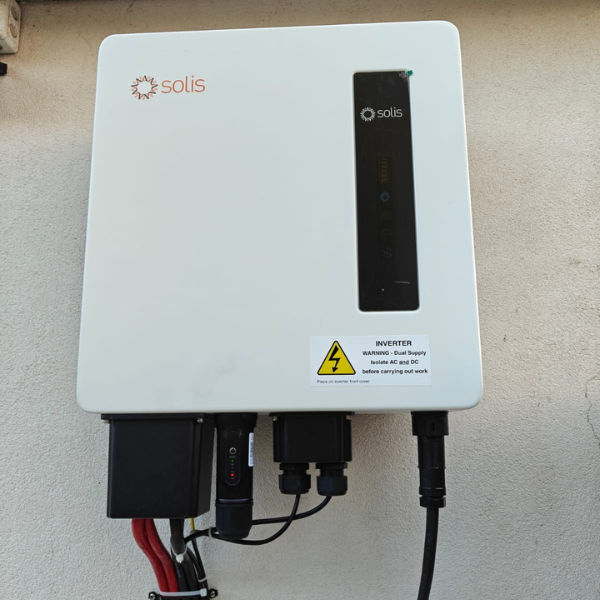
Hybrid inverter touchscreen showing battery SOC — time-of-use solar charging London MCS

The 25-Year Return Dwarfs the Upfront Investment

A complete ecosystem for a Surrey 5-bedroom property consuming 14,000 kWh annually and covering 15,000 miles of EV driving per year delivers a combined 25-year net return of 75,000 to 115,000 GBP at current energy price trajectories. At an investment of 35,000 to 45,000 GBP after 0% VAT, the return multiple is 2x to 3x over the warranty period - before accounting for projected energy price increases. The investment case grows stronger with every year that grid electricity rises in cost.

Permitted development graphic for roof solar — most London panels do not need planning consent

Zero Deposit Finance Preserves Liquidity Without Reducing Return

Green finance products through FCA-regulated partners allow a complete ecosystem to be funded with zero deposit. The combined monthly finance allocation is structured to be cashflow-neutral or positive versus pre-installation energy and fuel costs from the first month of the agreement. The 0% VAT saving is applied to the financed amount, reducing the principal and the monthly commitment simultaneously. The capital asset is acquired while preserving your liquidity entirely.

Frequently Asked Questions

Why is a co-designed ecosystem fundamentally different from three separate installations?

When solar, battery, and EV charger are purchased from separate contractors, the property ends up with three systems that cannot share a communication layer, cannot co-ordinate tariff scheduling, and were cabled independently for each component's rated output rather than for the combined peak demand of all three. The battery may charge from the grid at peak rate while the EV charger simultaneously draws at full output, because neither system knows what the other is doing. A co-designed ecosystem resolves every one of these bottlenecks at the specification stage. All three components are selected for platform compatibility, wired to a shared supply infrastructure, and configured for unified Octopus tariff scheduling from commissioning day. The financial benefit of unified operation versus fragmented operation is material across a 25-year asset life.

Does the entire project qualify for 0% VAT including the EV charger?

Yes - when the EV charger is installed as an integral component of a complete solar and battery energy system, HMRC classifies the entire combined installation as a qualifying energy-saving project, and 0% VAT applies to solar panels, inverter, battery, mounting hardware, EV cabling infrastructure, and all installation labour. On a combined project investment of 40,000 GBP this represents an 8,000 GBP direct capital saving applied at invoice. The classification is determined by how the project is scoped and specified - not by each component individually. We structure every complete ecosystem quotation to confirm qualifying status and apply zero-rate VAT correctly. Precise VAT treatment for your specific project is confirmed in writing at quotation stage.

How does the Octopus Intelligent tariff coordinate all three systems automatically?

Octopus Intelligent connects to both your battery inverter and your OZEV-approved smart charger via their respective APIs. The platform is aware of battery state of charge, current solar generation, household demand, and vehicle charge requirement simultaneously. During daylight hours, surplus solar charges the battery first, then activates the EV charger in solar diversion mode. After dusk, both the battery and EV charger schedule charging automatically during the off-peak window - typically 11pm to 5am at 7 to 9p/kWh. Dynamic load balancing manages their combined draw to prevent overloading the supply. The vehicle is always full by morning at the lowest possible blended cost. We configure the full integration at commissioning. No manual management is ever required.

What does Vehicle-to-Grid readiness mean and why does it matter now?

Vehicle-to-Grid (V2G) technology enables a bi-directional EV charger to discharge energy stored in the vehicle battery back into the home or grid during peak demand periods. The Wallbox Quasar 2 is the leading V2G-certified residential charger currently available in the UK. V2G turns a parked electric vehicle into an additional mobile battery that can earn revenue by discharging during high-price grid periods. The consumer unit infrastructure, earthing topology, and cable sizing required for V2G differ from a standard EV installation. We design all complete ecosystem installations to accommodate V2G hardware from the outset, so that the capability can be added without structural rework when the vehicle fleet on your estate transitions to V2G-compatible models. Building for this today costs nothing additional - retrofitting for it later requires replanning the entire electrical infrastructure.

Commission Your Complete Energy Ecosystem for Surrey or SW London