1
Design & Circuit Plan
We map out cable routes and calculate voltage drops to ensure your distant garden lights shine as brightly as those near the house.
Outdoor light installation covers security, garden, driveway and facade lighting installed to BS 7671 with IP-rated fittings, protected cable routes and appropriate RCD cover. It is for homeowners and commercial clients improving safety, kerb appeal or garden use after dark. Before installation we confirm the cable route from the consumer unit, circuit capacity, IP rating for each position, switching or sensor control, and whether trenching or surface routing is needed. The next step is a site visit to agree the layout and quotation.
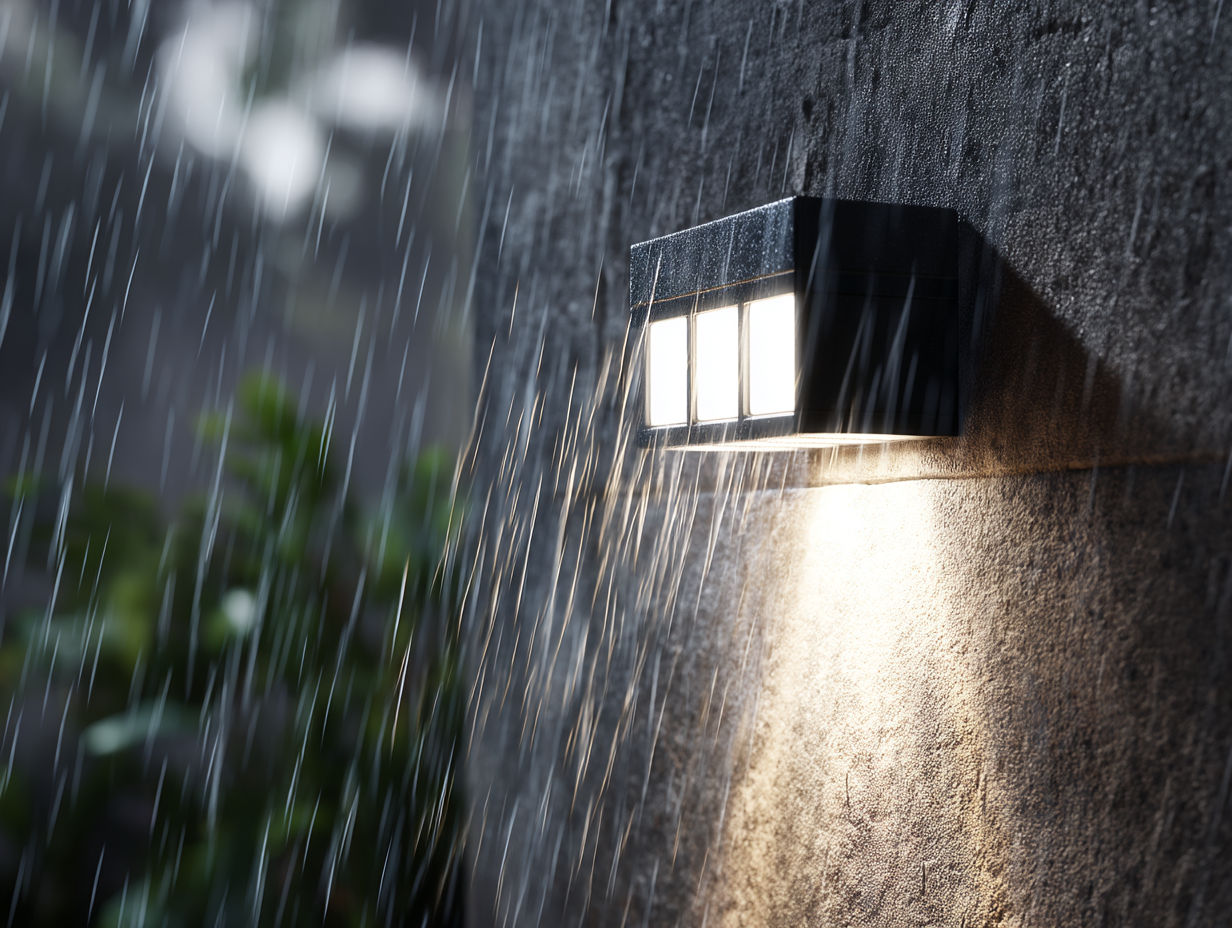
Water and electricity don't mix. We strictly adhere to IP (Ingress Protection) standards, using resin-filled joints and waterproof junction boxes to prevent tripping and corrosion.
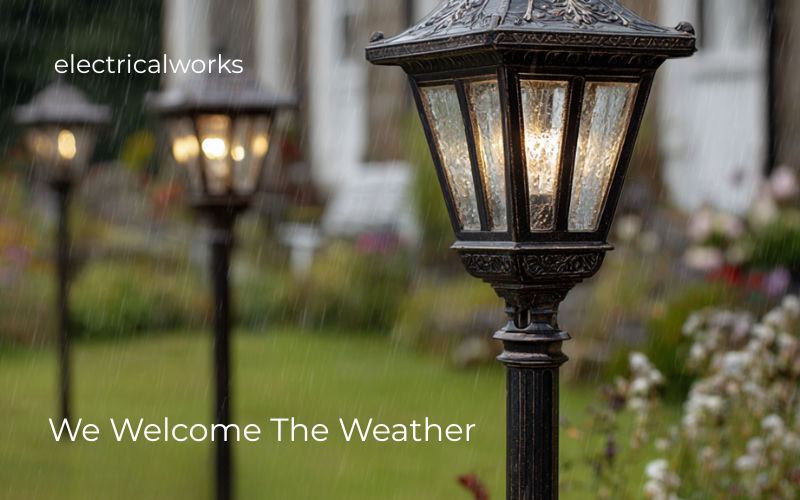
We believe technology should be felt, not seen. We carefully trench and bury armoured cables (SWA) or route them invisibly along structures, preserving your garden's aesthetic.
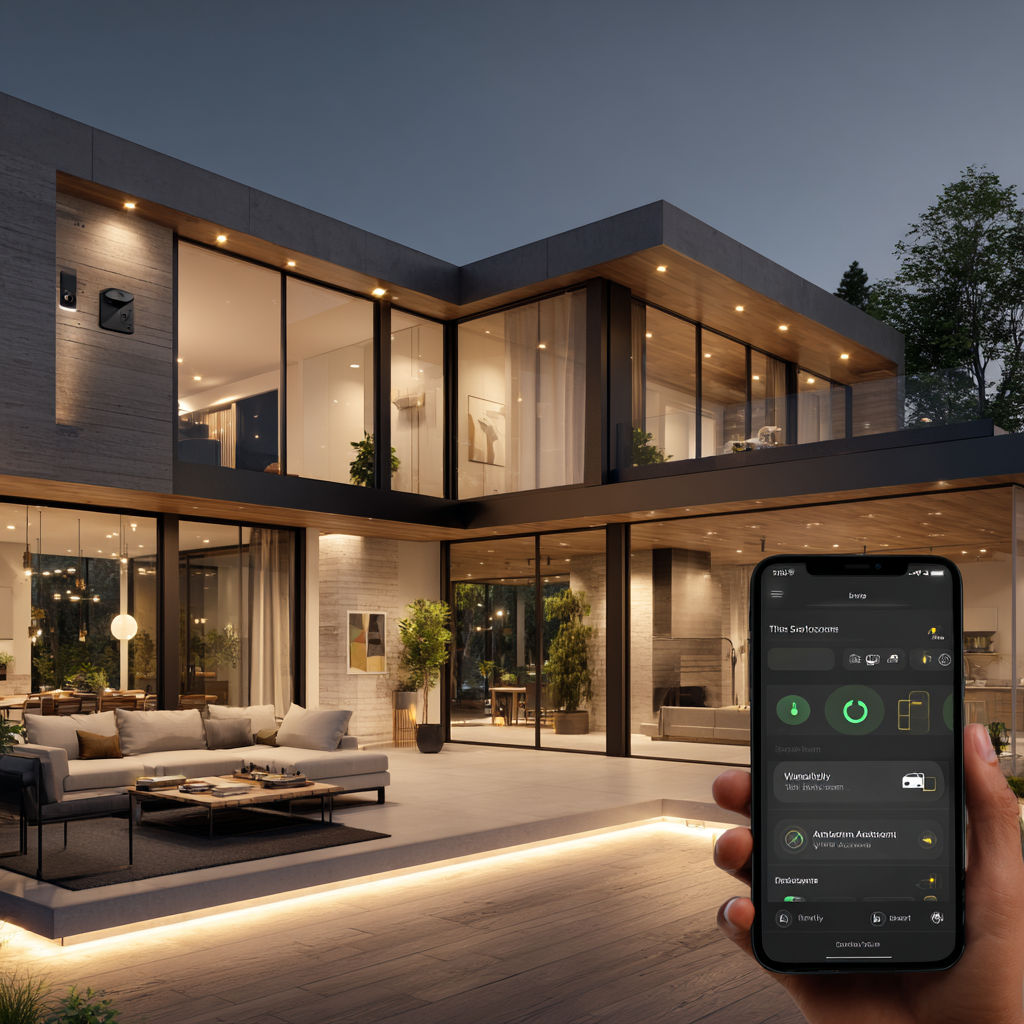
Switch on your driveway lights from your car or schedule garden scenes for sunset. We integrate outdoor zones with Lutron, Rako, or standard smart home apps.



.png?updatedAt=1766614909763)

.png?updatedAt=1766614909883)
.png?updatedAt=1754091490942)
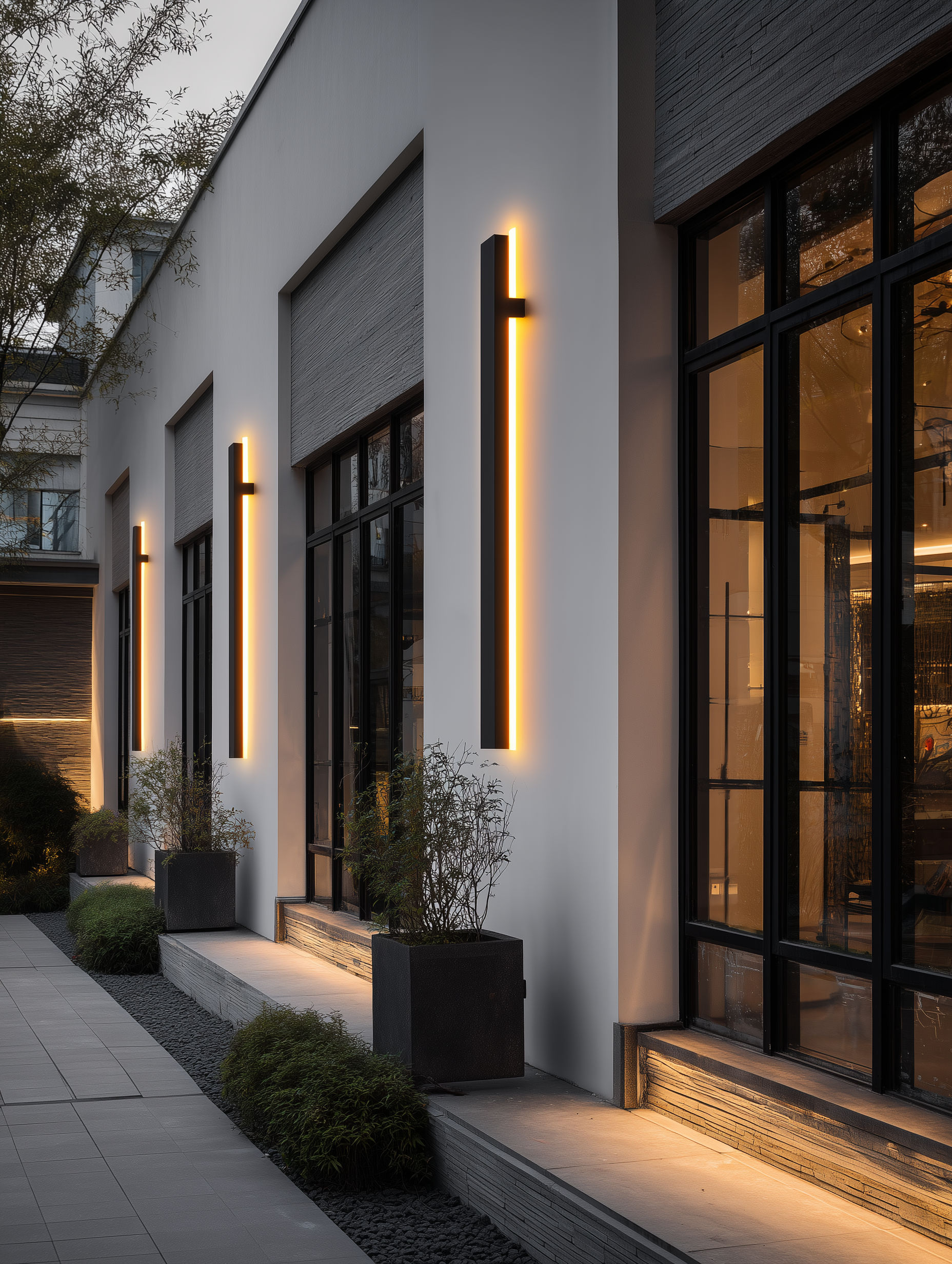
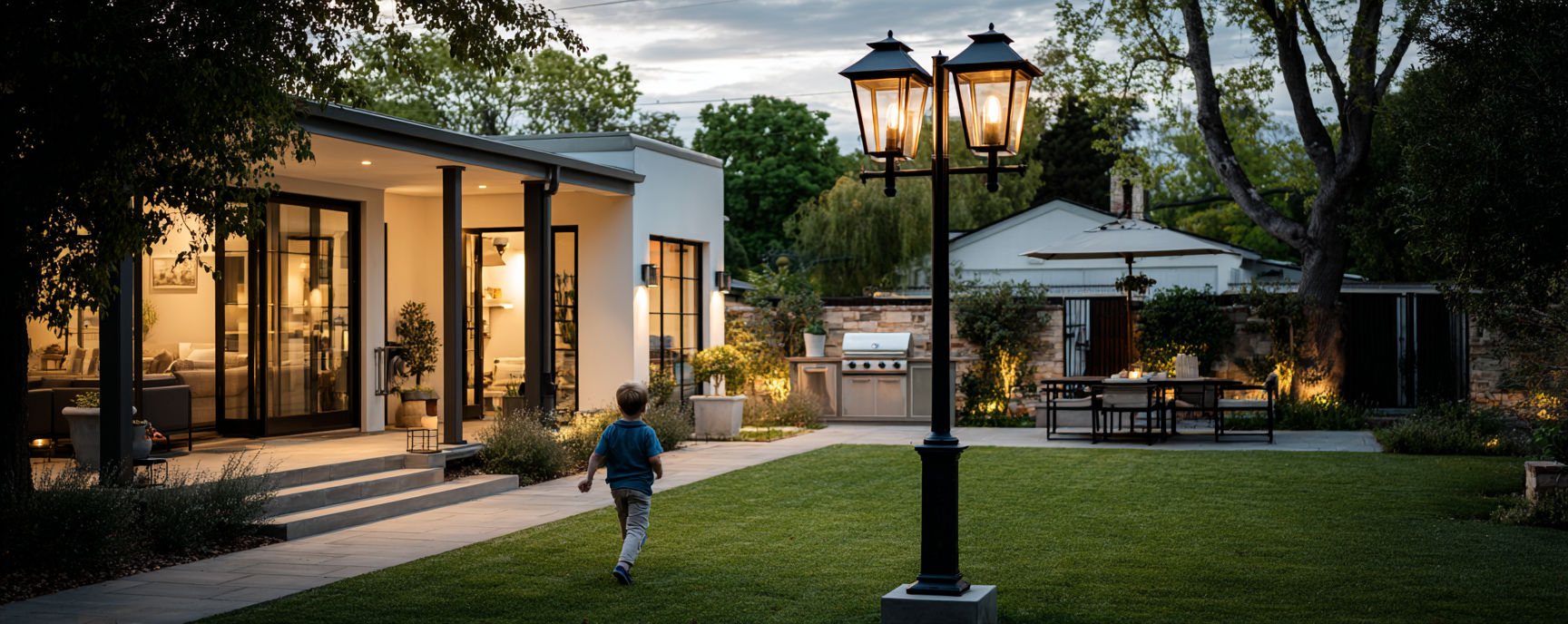

We map out cable routes and calculate voltage drops to ensure your distant garden lights shine as brightly as those near the house.
We execute the 'first fix', laying armoured cables in trenches or conduits, ensuring depth and mechanical protection.
We install the lights, sealing all connections with resin or gel boxes to provide reliable waterproofing (IP65/IP67).
We test the RCD protection and return at night to precisely aim the spotlights for the best visual effect.
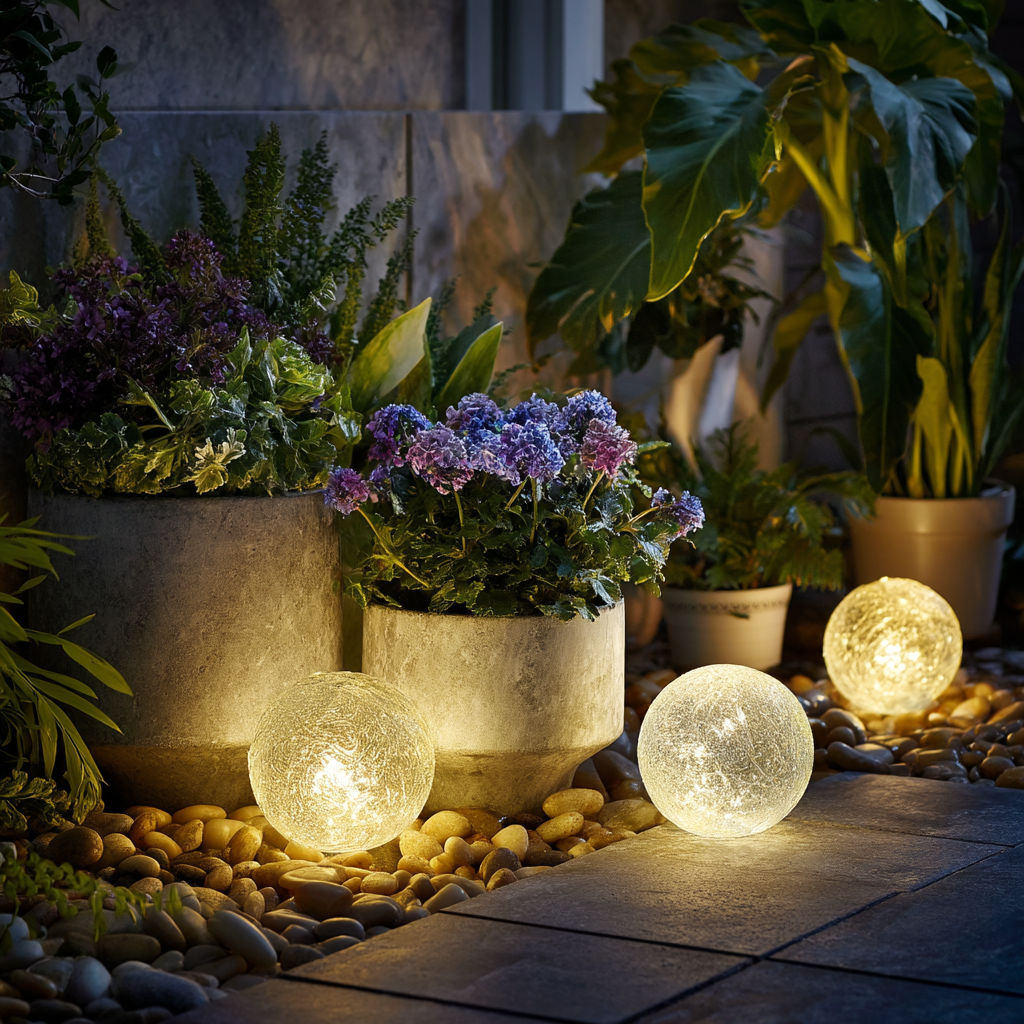
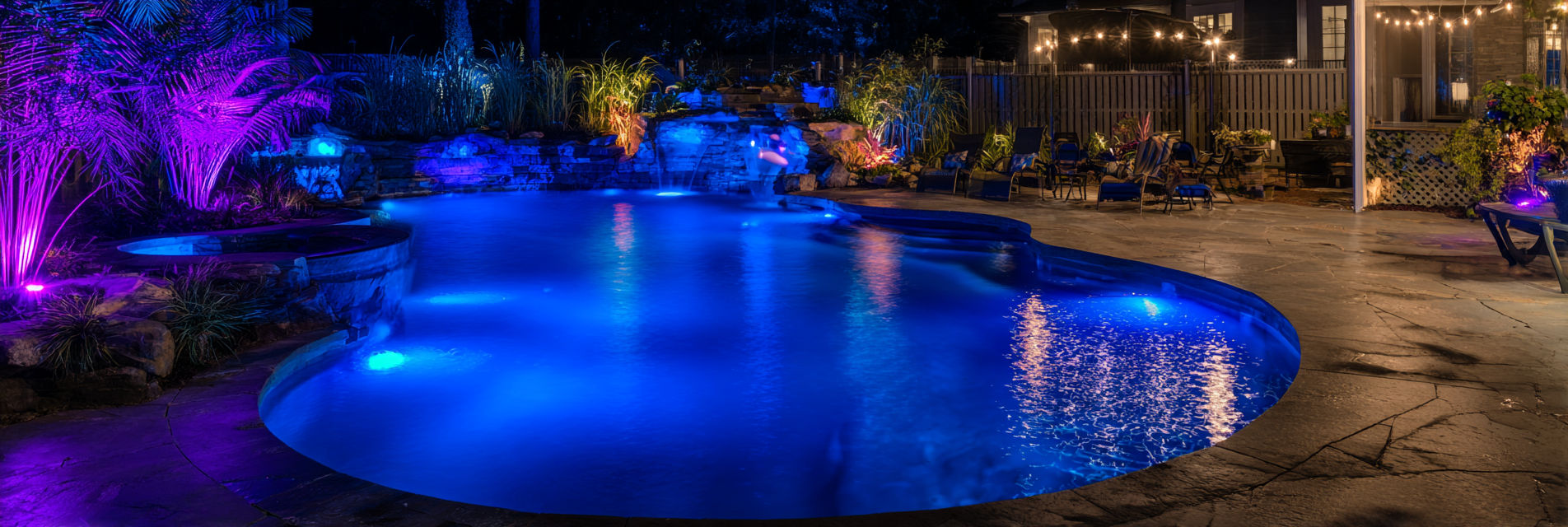
Transform your garden into a night-time sanctuary. We install spike lights for planting, recessed deck lights, and well lights for trees. We focus on "layering" light-creating depth and drama rather than just flooding the space with brightness.

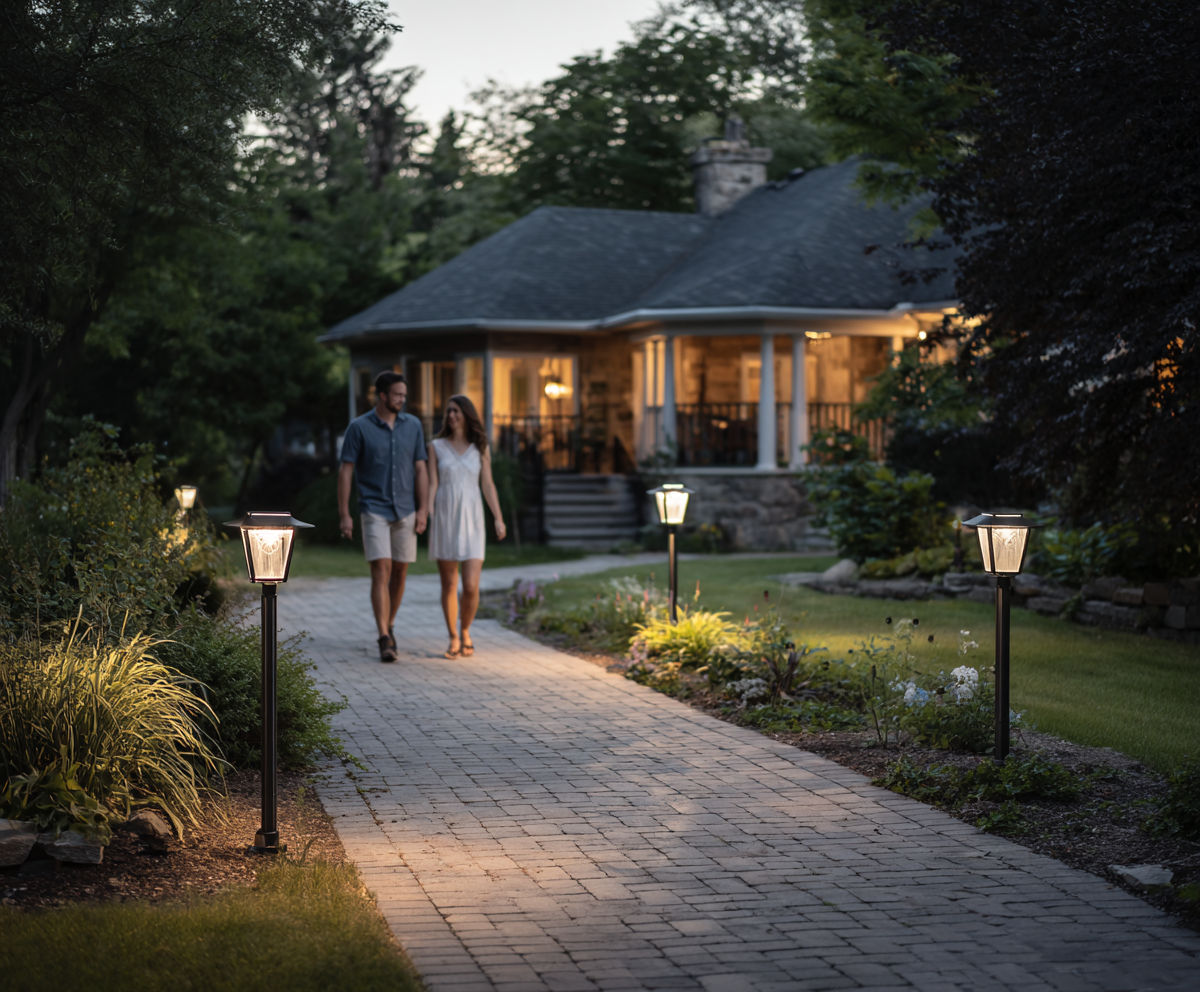
Security doesn't have to look industrial. We install sleek, high-output LED floodlights connected to precise PIR motion sensors. We can also integrate these with your smart home system to alert you when movement is detected on the driveway.
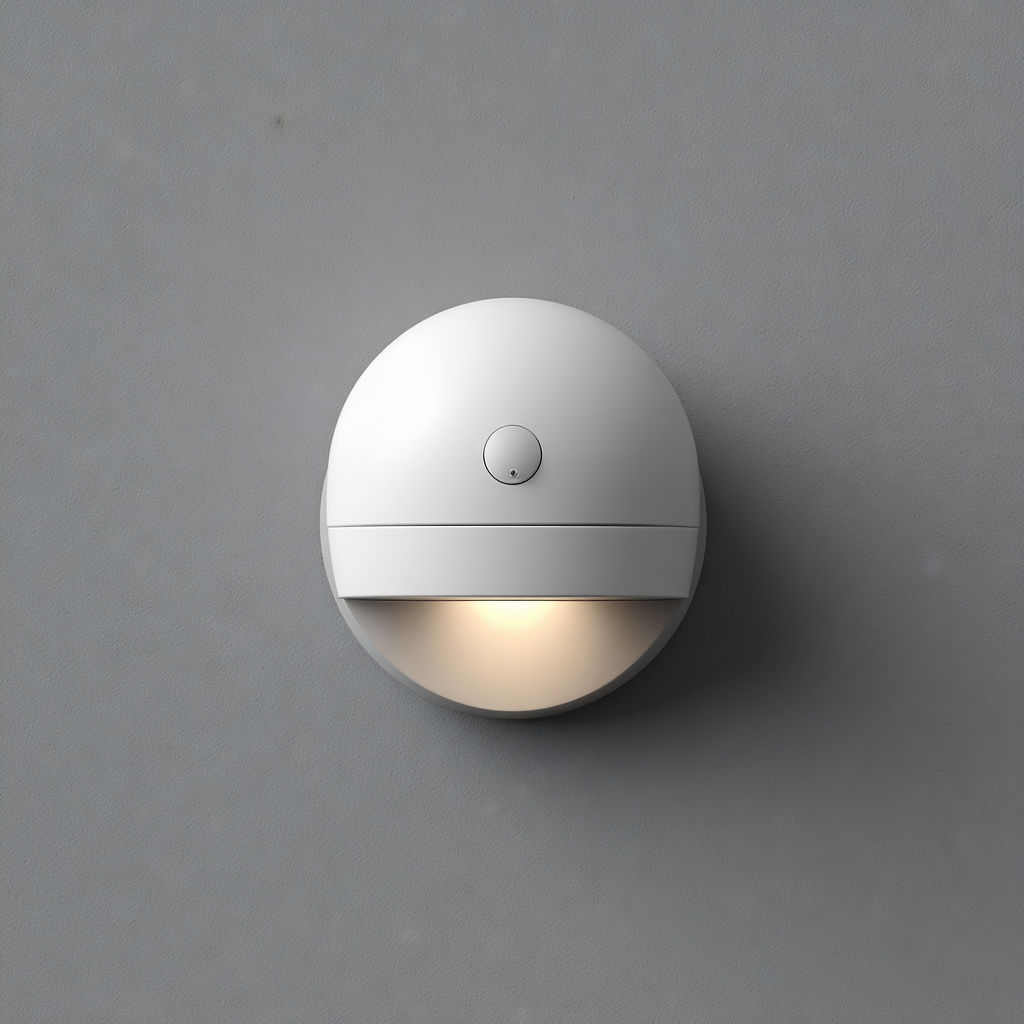
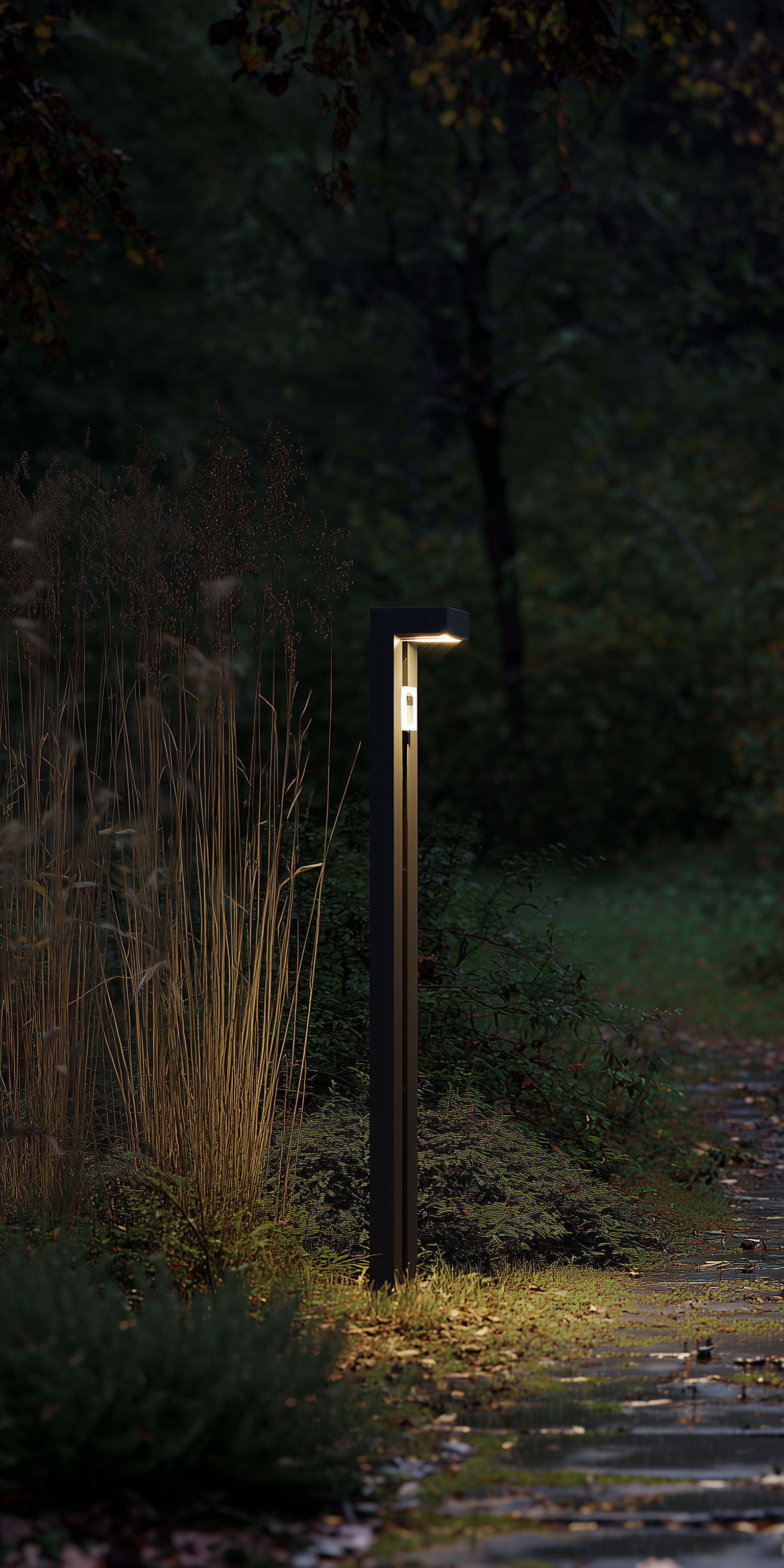
Enhance the kerb appeal of your home. We use wall washers and up/down lights to accentuate brickwork, columns, and entrances. This service requires careful drilling and cable routing to ensure no unsightly wires ruin the building's exterior.



"Transformed our back garden completely. The team was very careful with our existing plants when digging trenches. The lighting looks magical at night."
"We wanted security lights that didn't look like a prison yard. They suggested some beautiful architectural fittings that light up when we drive in. Excellent wiring work."
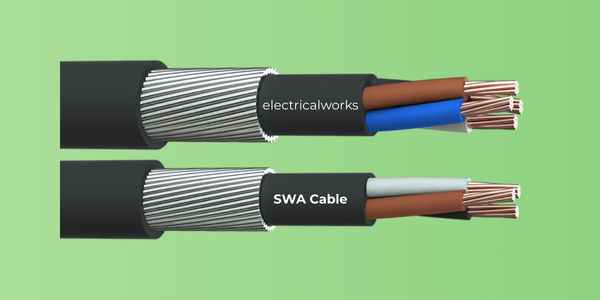
Standard grey cable cannot be buried. We use Steel Wire Armoured (SWA) cable which protects the live cores from garden spades and rodents, ensuring safety underground.
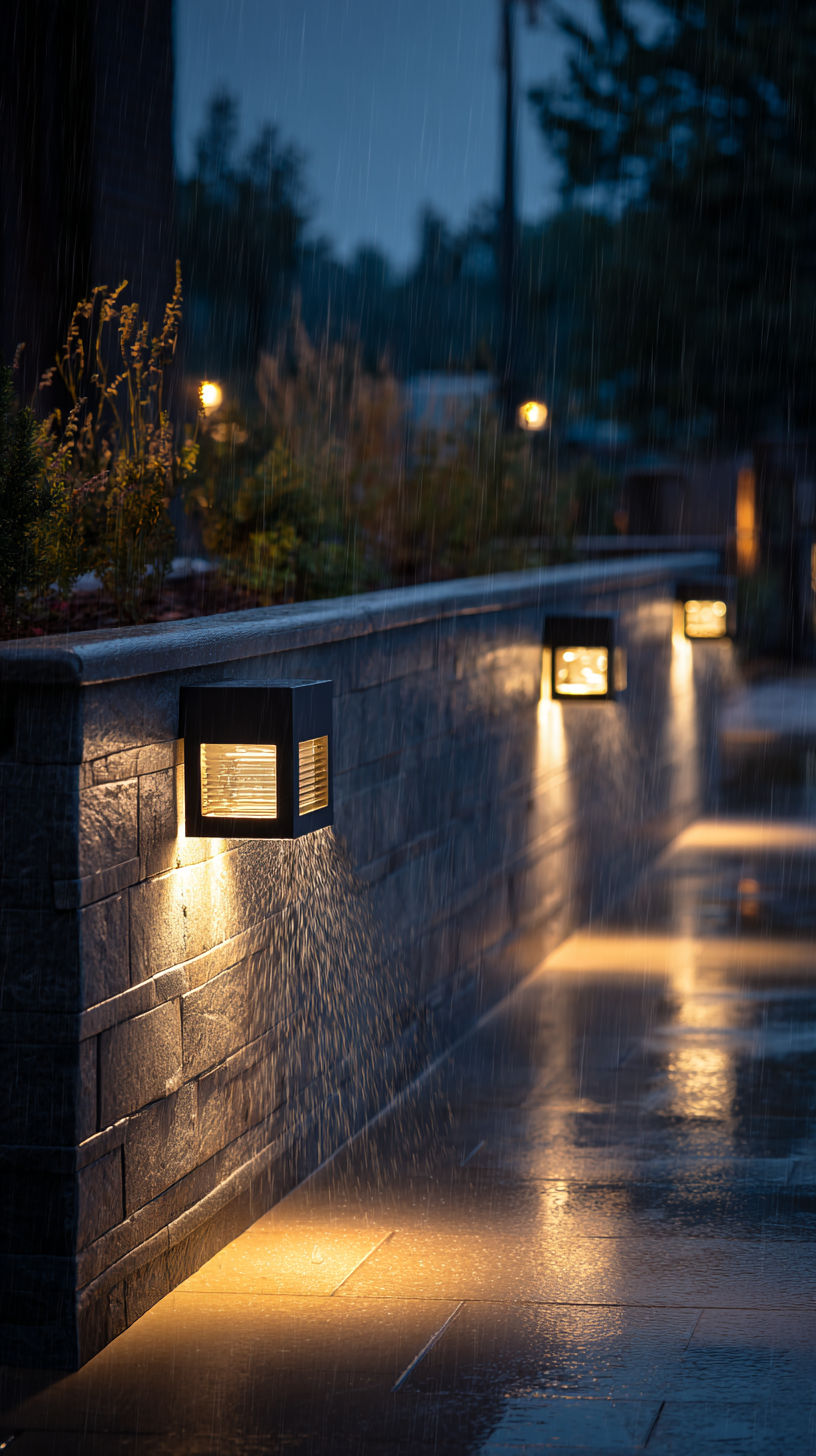
For outdoor use, fixtures must be at least IP44 (splash proof). For exposed areas, we use IP65 (jet proof), and for ground lights or ponds, IP67/IP68 is mandatory to prevent water ingress.
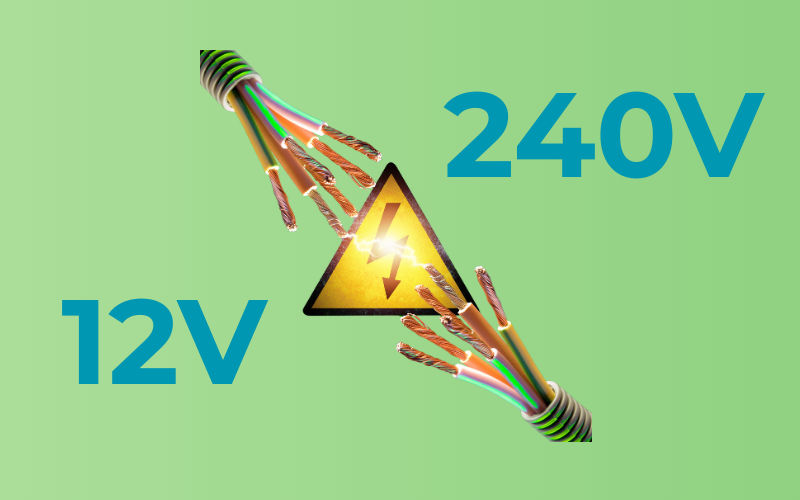
Low voltage (12V) is safer for gardening and offers smaller fixtures, but requires drivers. Mains voltage (240V) is better for high-power floodlights and wall lanterns. We often use a mix of both.
Before installation, confirm the cable route from the consumer unit, circuit capacity, IP rating for each fitting position, switching or sensor control, and whether trenching or surface routing is needed. Planning routes alongside landscaping is usually more efficient than adding cable afterwards.
Yes. Outdoor circuits must be protected by a 30mA RCD at the consumer unit, and cables buried in the ground or mounted on external walls require armoured or suitably protected cable types. Junction boxes and connection points in exposed positions must be appropriately IP-rated and weatherproofed. See our consumer unit page for more on protection device requirements.
Tripping is usually caused by moisture ingress at a junction or fitting - particularly where seals have deteriorated or junction boxes were not correctly waterproofed at installation. We test the circuit to locate the fault before recommending remediation.
Number of fittings, cable length, trenching requirements, IP rating and fitting type, control system complexity, and any consumer unit work needed all affect quotation scope. We confirm pricing after a site visit.

Outdoor electrical work is high-risk due to environmental exposure. We don't cut corners.
The Electrical Works Standard: