Solar Diversion: The Mechanism That Eliminates Fuel Cost
Every unit of surplus solar diverted to your vehicle is worth five times more than exporting it to the grid.
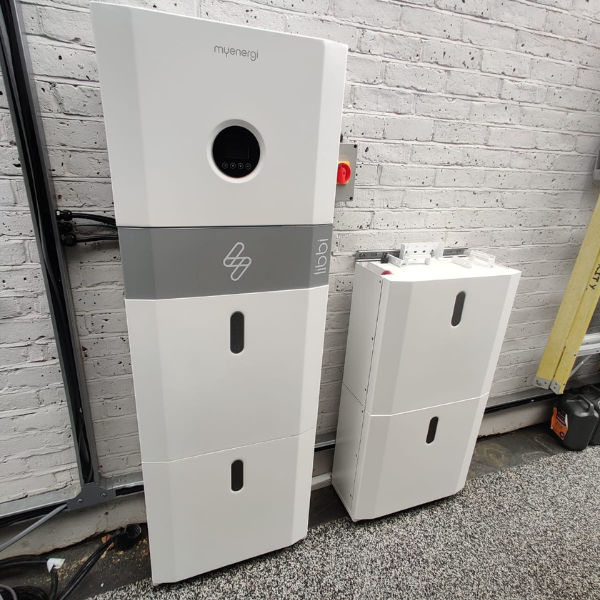
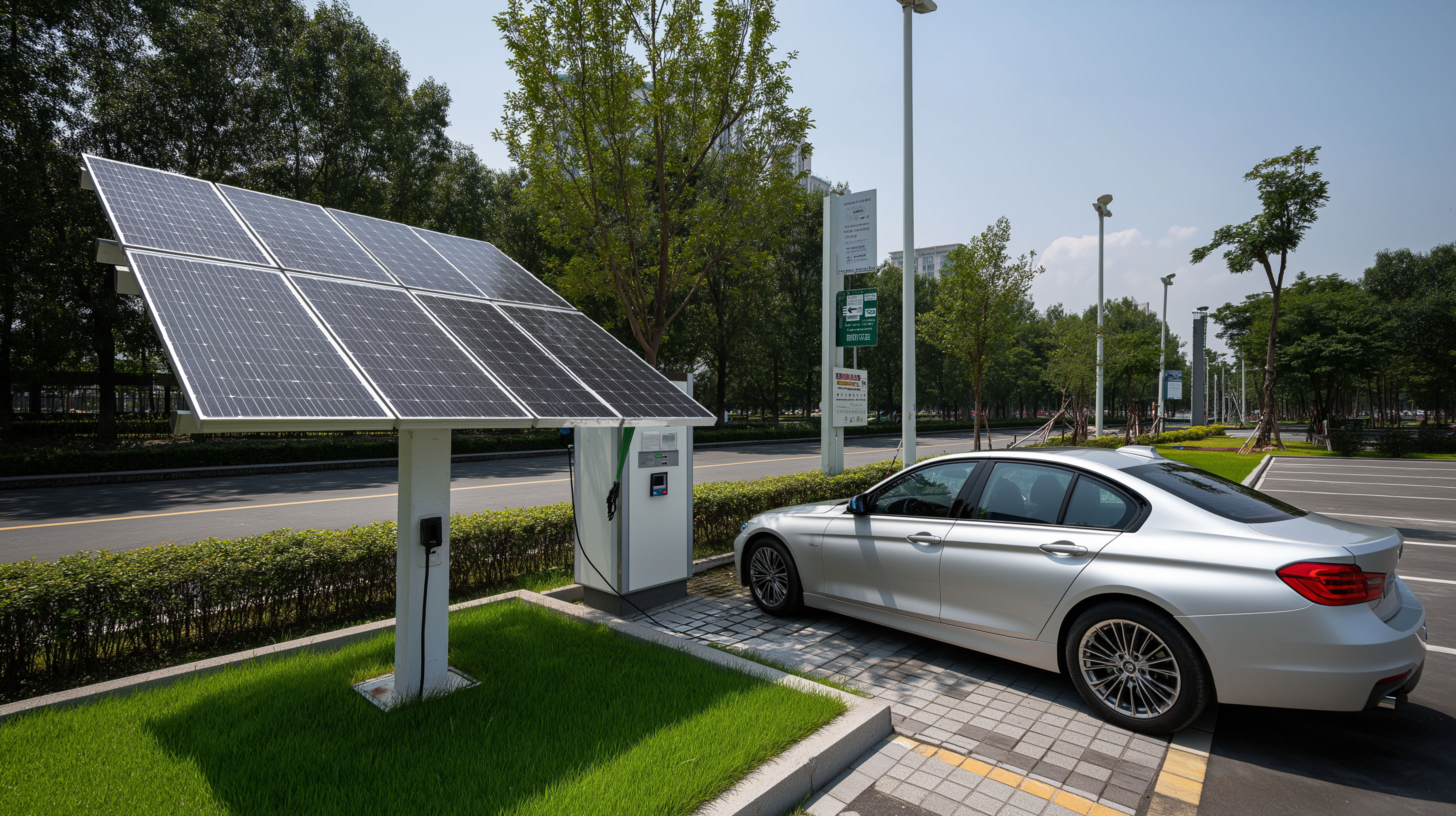
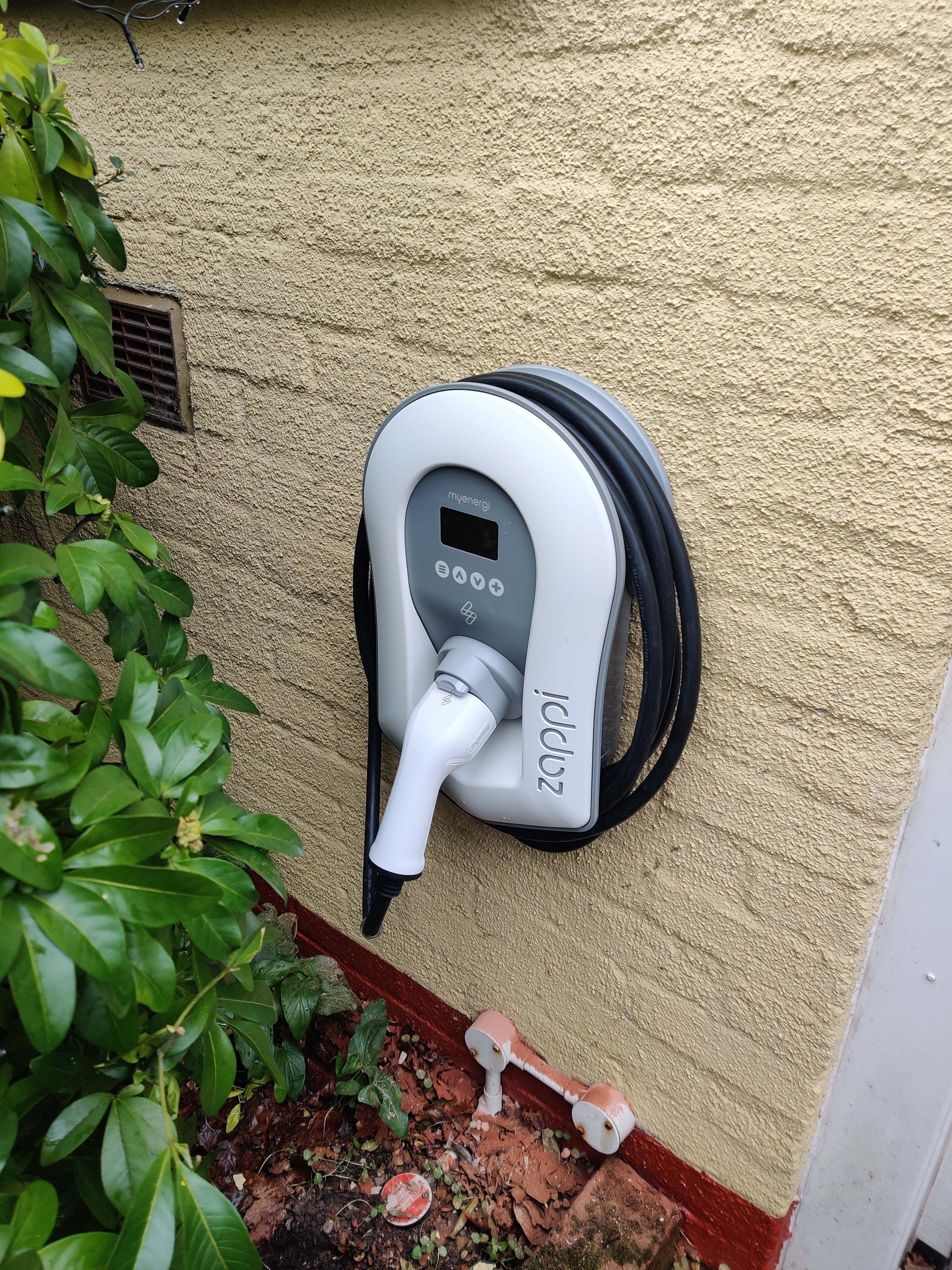
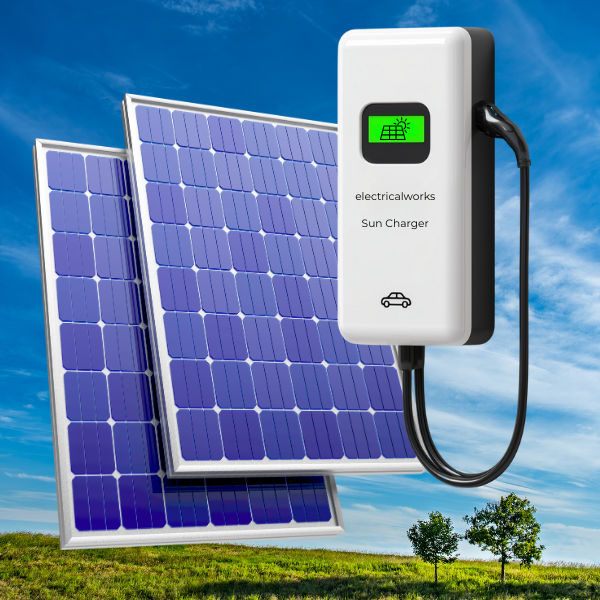
Zappi and compatible myenergi chargers monitor your incoming supply in real-time, calculating the gap between solar generation and household load. The charger adjusts output every two seconds to capture precisely that surplus - ramping down as clouds pass and back up as generation recovers.
- Two-second response: charge rate adjusts continuously to match available solar surplus
- Minimum threshold: diversion starts from as little as 1.4kW - capturing partial sun days other systems ignore
- Priority hierarchy: household load first, battery second, EV charging third - all automatic
- Annual value: 900 to 1,200 GBP in grid fuel cost eliminated on a typical 10,000 mile EV
Aesthetics: Concealed Cabling as an Engineering Discipline
The architectural character of a Surrey estate or Edwardian townhouse must not be compromised by exposed EV cabling.
We treat cabling concealment as an engineering discipline, not an optional upgrade. Before installation begins, our engineers survey every concealed route through roof voids, wall cavities, joist runs, and underfloor channels. The only visible result is the charger unit itself.
- Route survey: all concealed paths mapped before any work begins on site
- Andersen A2 specification: hardwood and aluminium casing designed for premium and period properties
- Single external penetration: one wall entry point, sealed and colour-matched to the building fabric
- Planning consideration: route and material options for listed buildings and conservation areas
Dynamic Load Balancing: Silent Protection for a Complex Electrical Environment
A luxury home's electrical environment is dynamic - the EV charger must respond to it automatically, without manual intervention.
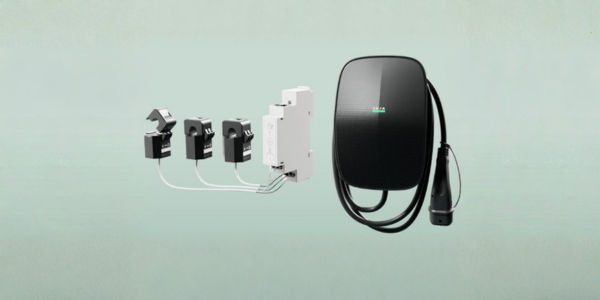
Heat pumps, induction hobs, underfloor heating, and climate control create fluctuating demand throughout the day. A current transformer on the main tails measures total property draw continuously, and the charger adjusts output in real-time to protect your incoming supply fuse.
- Current transformer monitoring: total property demand measured in real-time on the main incoming tails
- Automatic throttling: charger output reduces when combined load approaches the supply rating
- No manual management: operates silently in the background with zero user interaction required
- Maximum available charging: full output whenever the infrastructure safely allows it
0% VAT and the Full Cost Case for Solar EV Integration
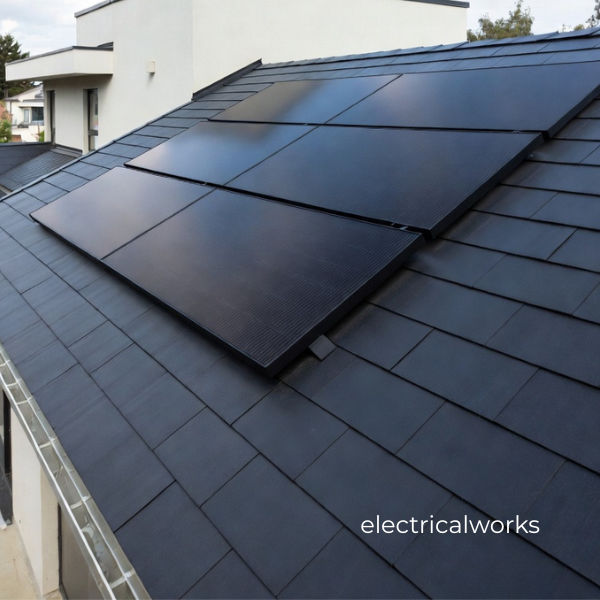
Installing solar and EV charging together delivers capital savings and eliminates the duplication costs of separate projects.
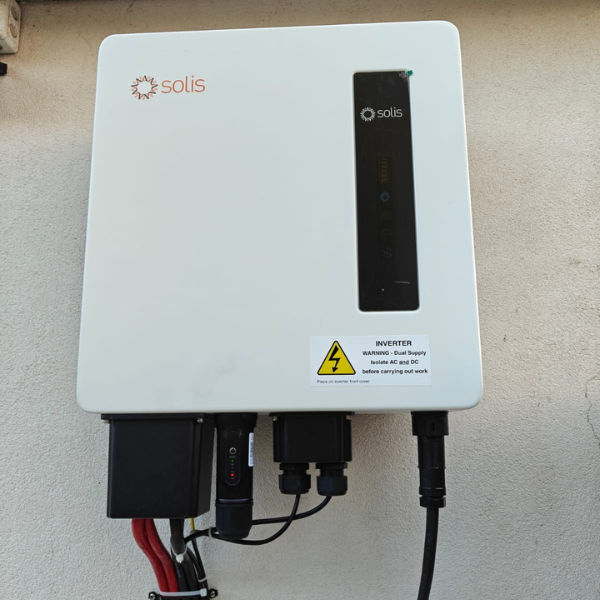
Under HMRC energy-saving materials legislation, the full solar installation qualifies for 0% VAT - a 2,400 GBP saving on a 12,000 GBP project applied directly at invoice. One DNO submission, one scaffolding mobilisation, and one engineer programme covers both systems.
- 0% VAT on solar: panels, inverter, mounting, and labour zero-rated as a qualifying energy-saving system
- Single DNO submission: one G98/G99 application covers combined solar and EV charger load
- One mobilisation: scaffolding and engineer costs shared across both systems
- Same-day commissioning: solar, EV charger, and Octopus tariff configuration verified before engineers leave site