1
Design & Load Check
We review your fixture choices against circuit capacity and ceiling structure to ensure safety and compatibility.
Light fixture installation covers everything from LED downlights and pendants to heavy chandeliers and smart-controlled schemes. It is for homeowners, developers and commercial clients upgrading dated fittings, correcting flicker, improving task lighting, or finishing a renovation. A simple like-for-like swap is straightforward when the existing wiring, back-box depth and dimmer compatibility are suitable; heavier fittings, plaster-in profiles or new circuit positions need structural checks, driver matching and often coordination with rewiring or switch work. We survey the ceiling void, confirm load support and dimmer compatibility, then install and test before handover. The next step is a site visit to review your fittings and agree scope.
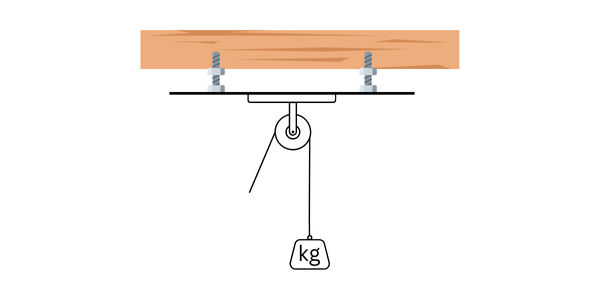
We don't just hang lights; we secure them. For heavy chandeliers, we access the ceiling void to install structural noggins, ensuring your fixture is supported by the building's frame, not just the plaster.
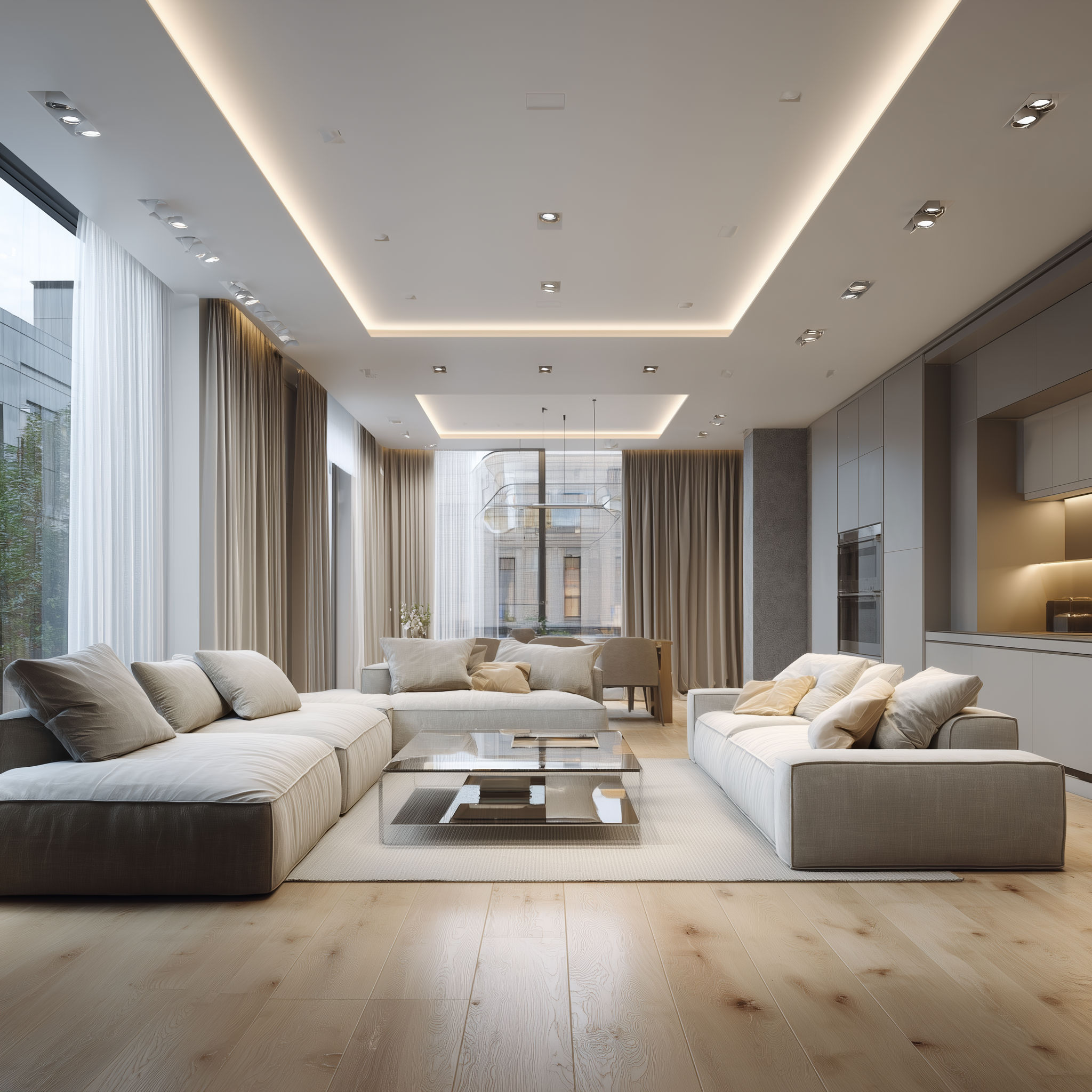
Flickering LEDs ruin the mood. We expertly match drivers to dimmers (Phase or 0-10V) to ensure smooth, silent dimming from 100% down to a warm 1% glow.

We handle fixtures from brands like Bocci and Ochre with extreme care. We use white gloves to prevent fingerprints on crystal and ensure pristine installation.






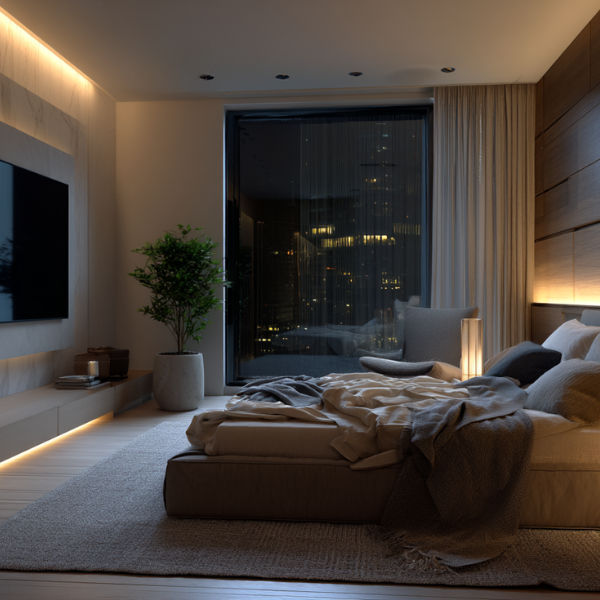
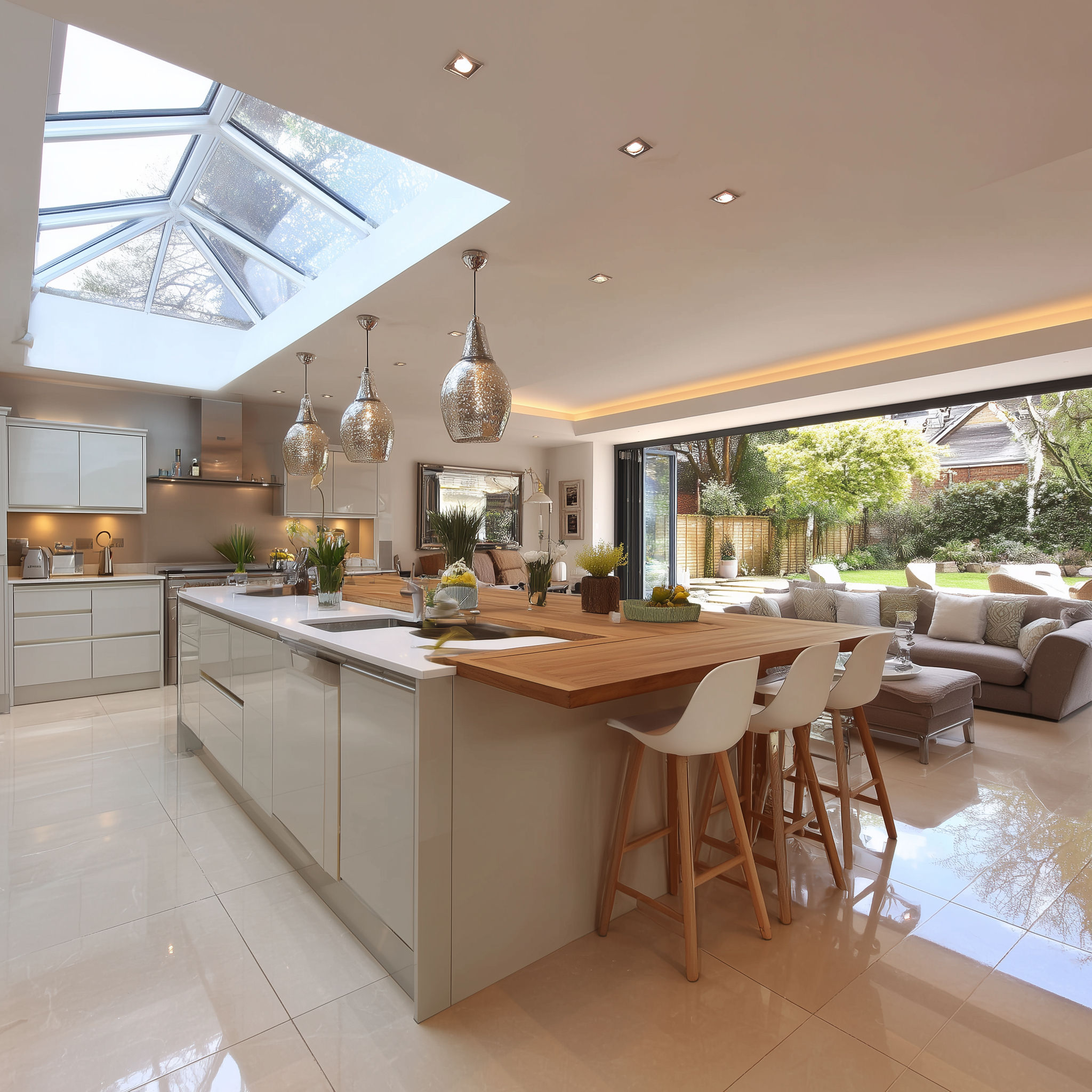
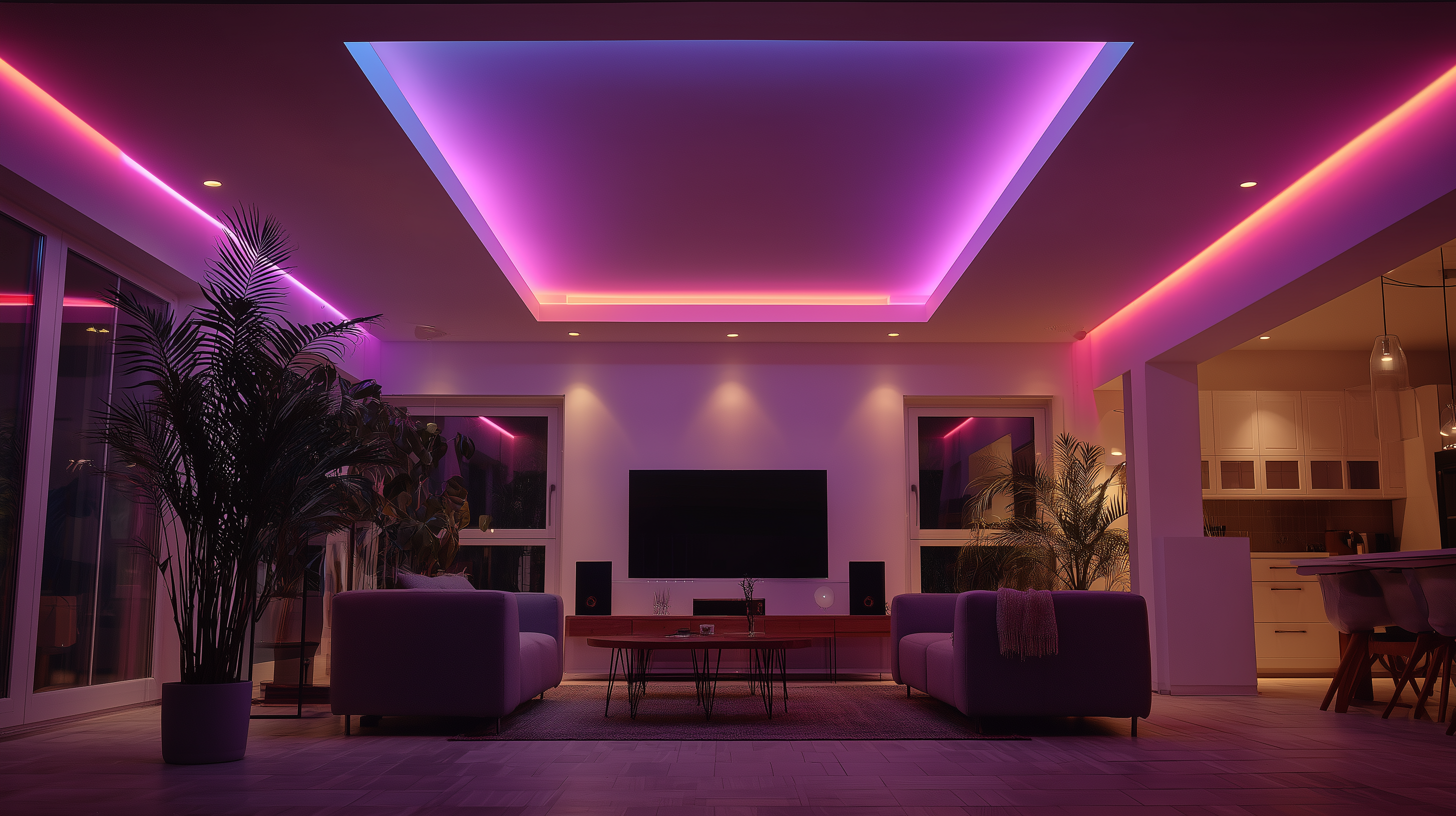
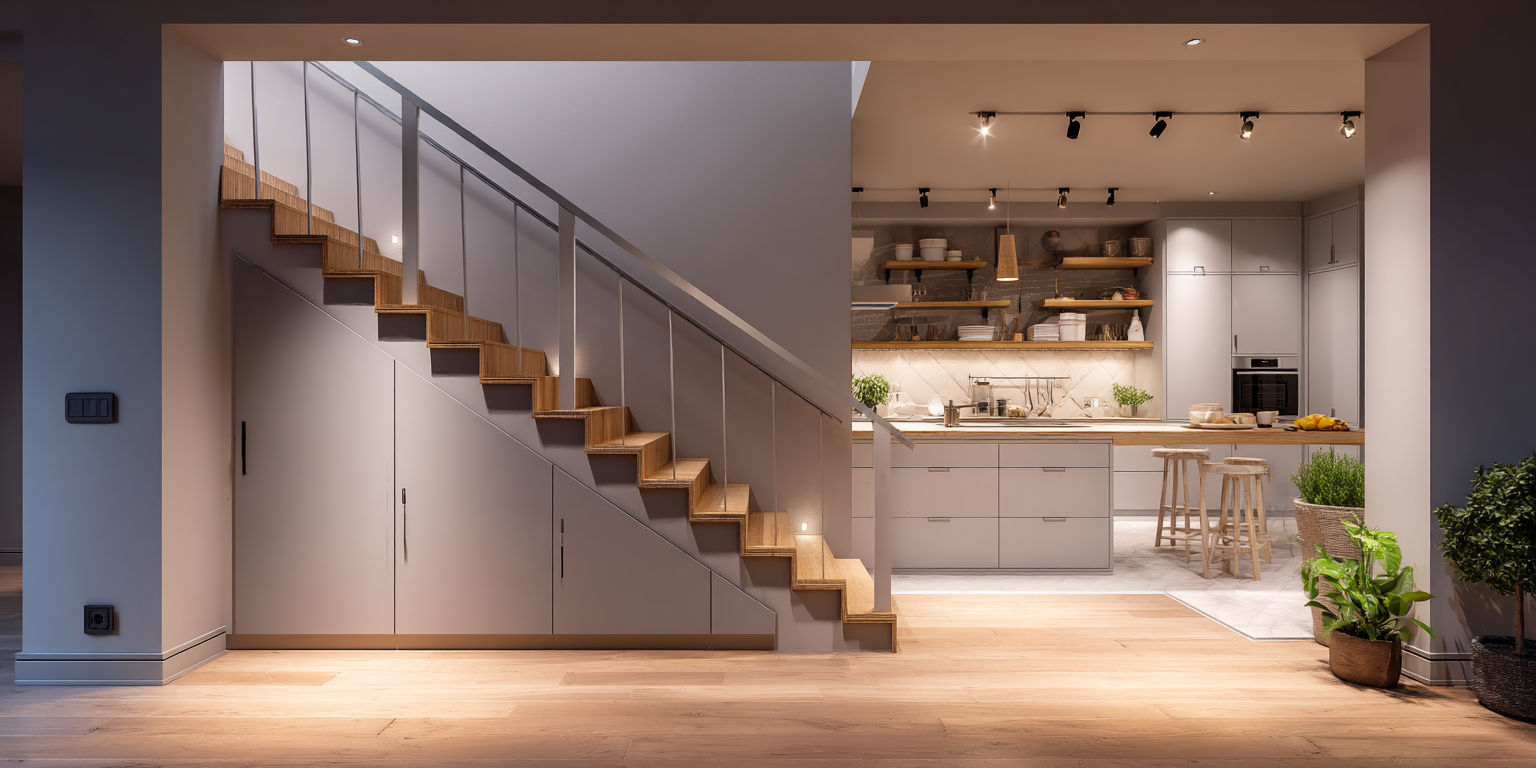
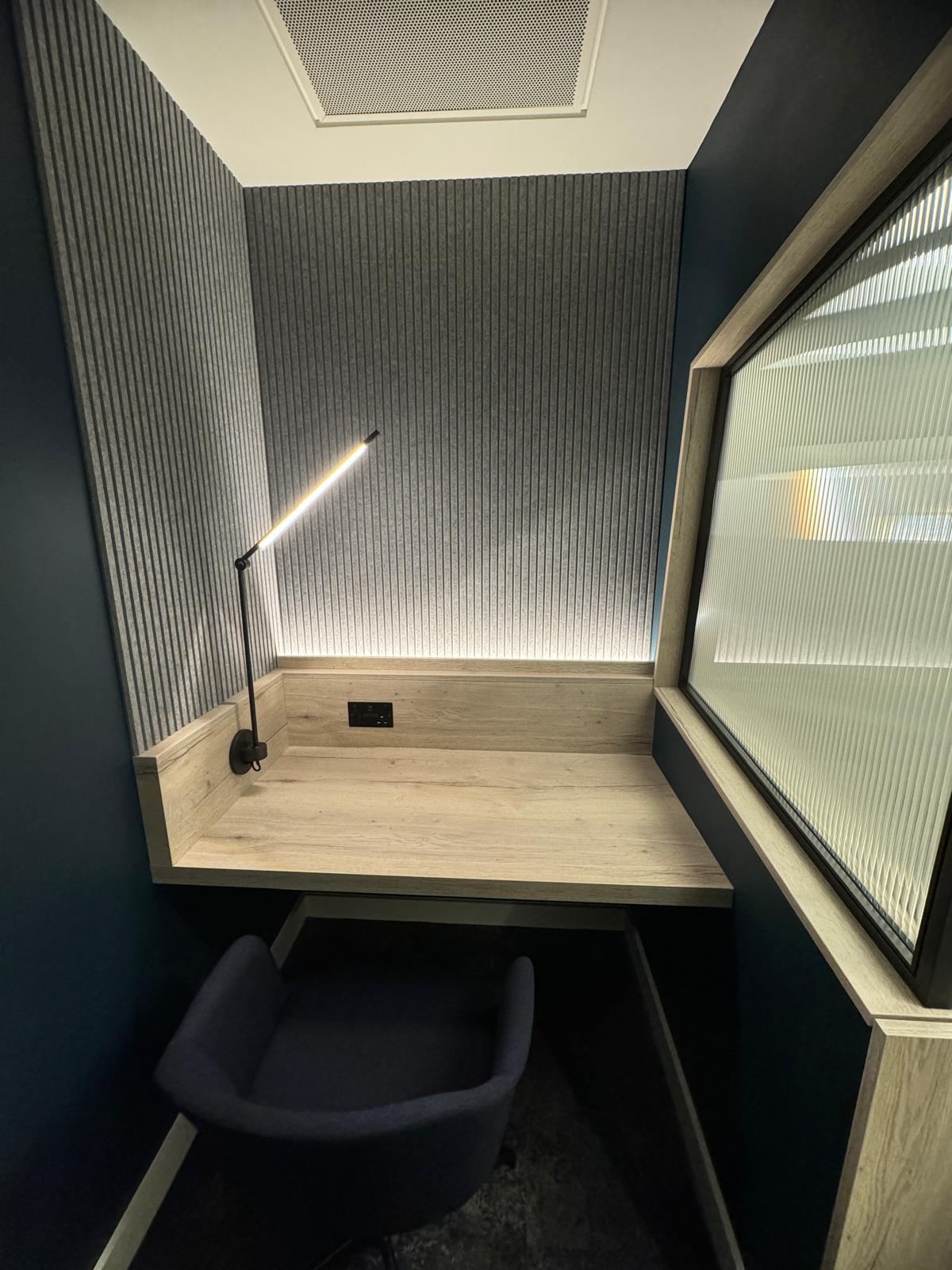
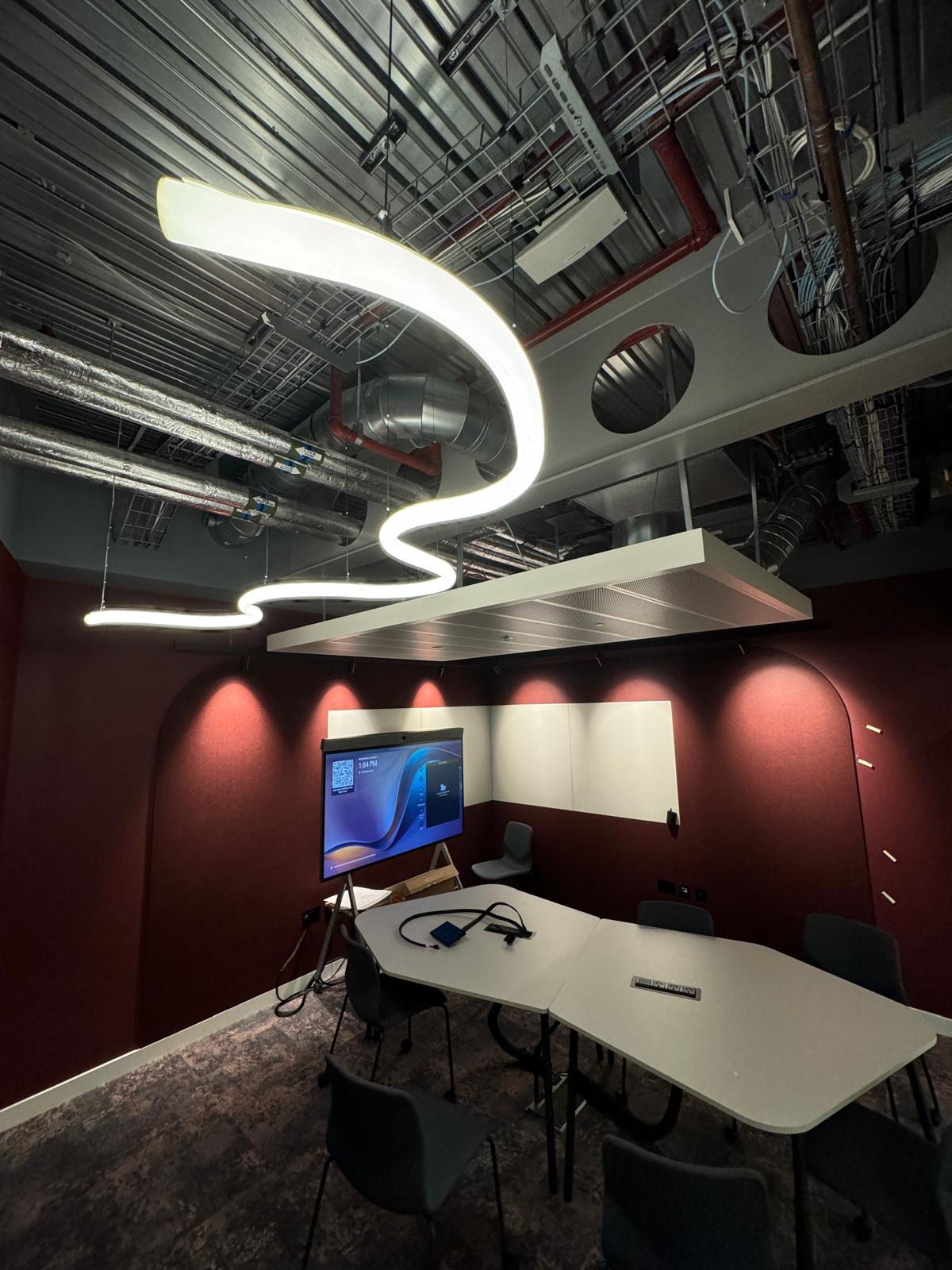
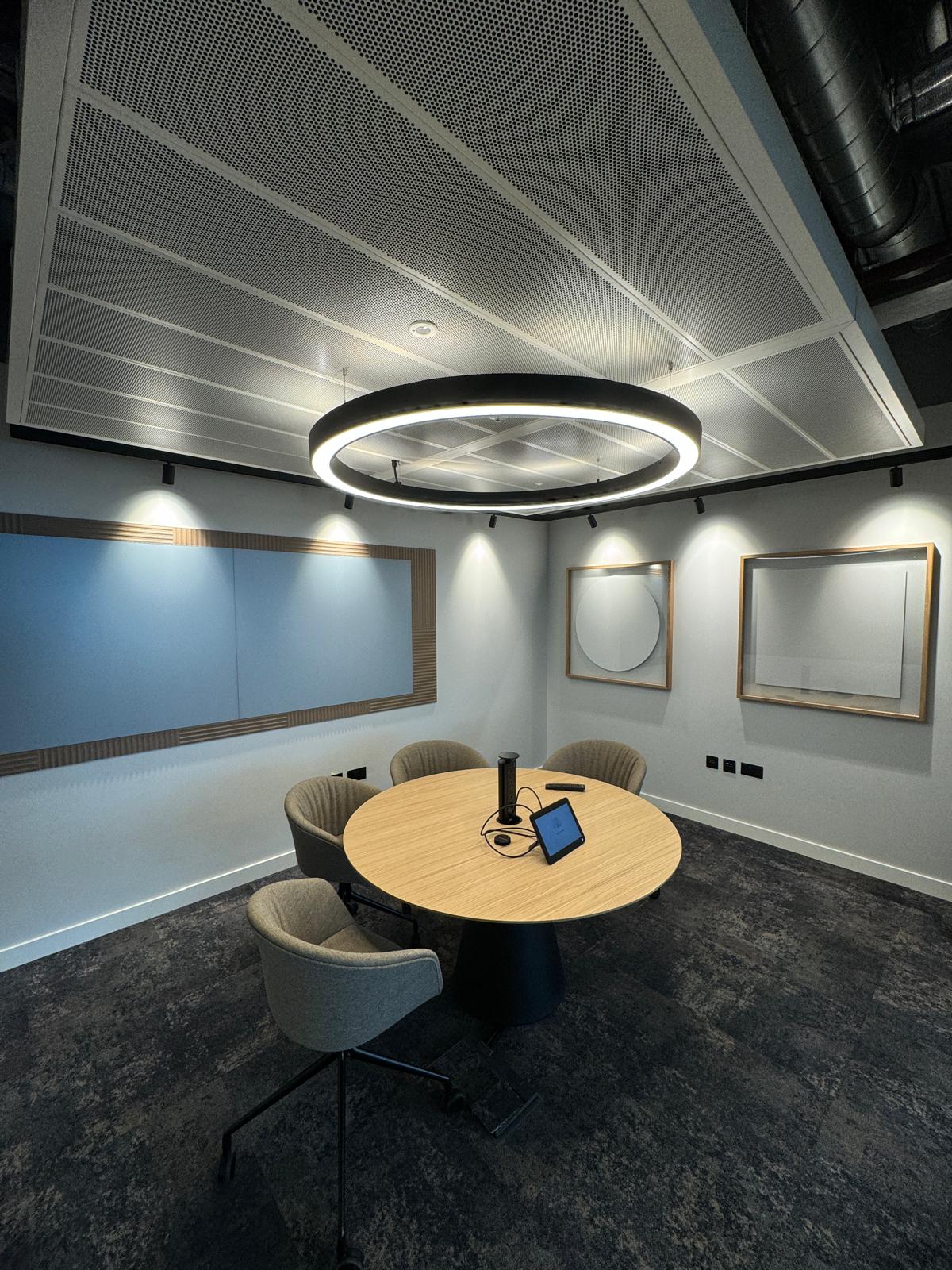
We review your fixture choices against circuit capacity and ceiling structure to ensure safety and compatibility.
We install cabling and structural reinforcements (noggins) in the ceiling void to support heavy fixtures.
Our electricians carefully assemble complex fixtures (crystals, glass) using white gloves to keep them pristine.
We program your dimmers or smart system, ensuring the perfect ambience without any flicker or buzz.
Installing a chandelier is an art. It requires more than just wiring; it demands structural awareness. We assess joist strength and use specialized lifting equipment for high atriums, ensuring your statement piece hangs securely and perfectly level.
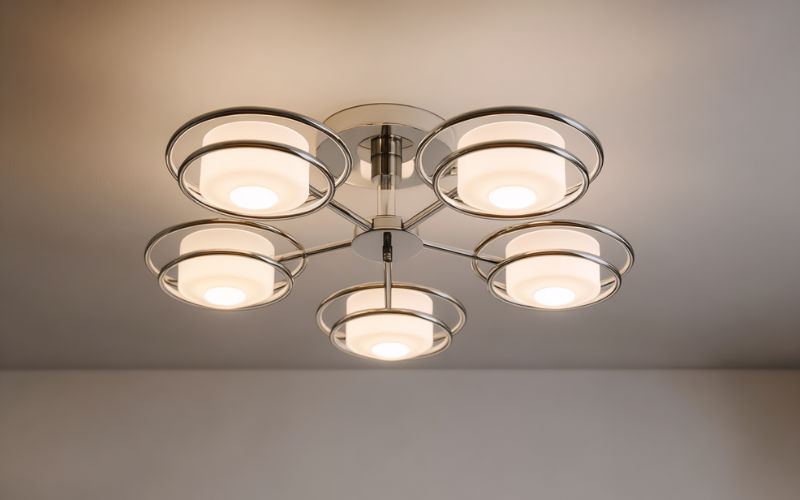
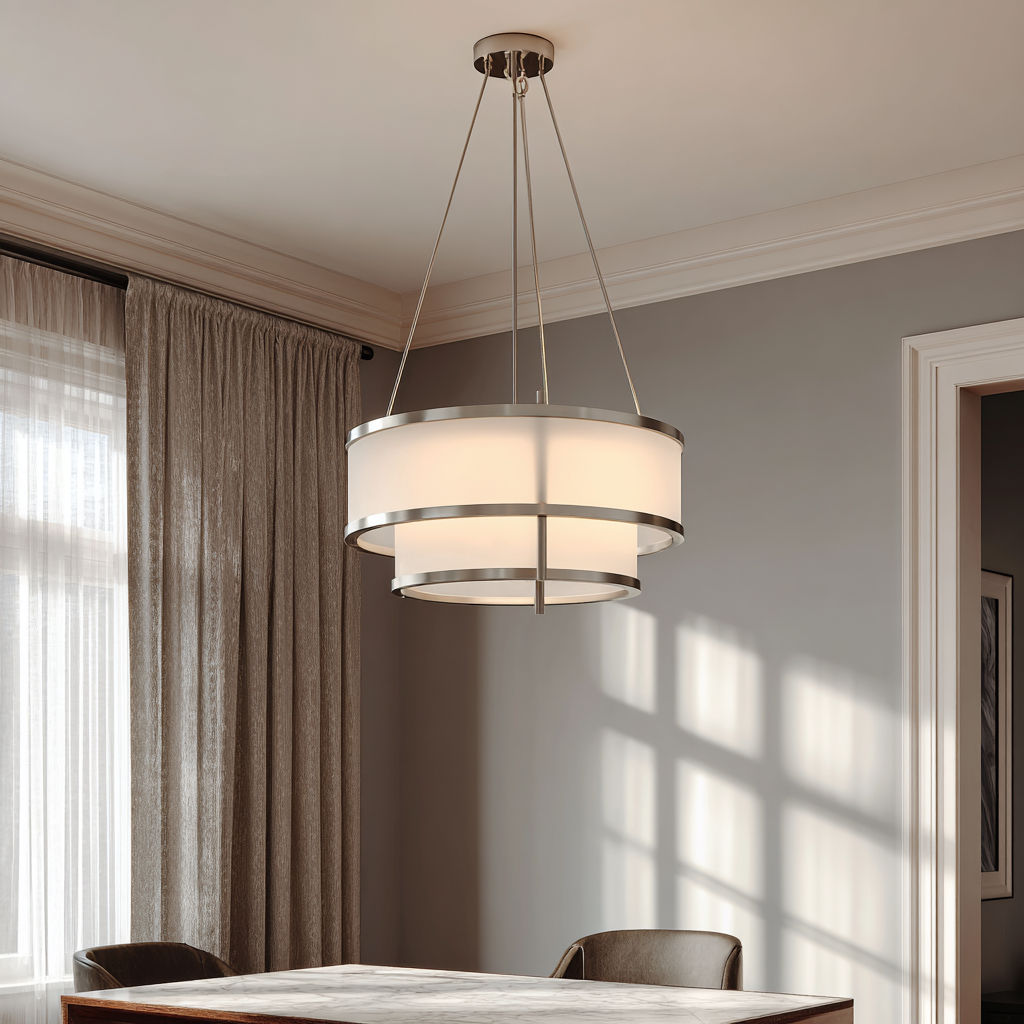
We specialize in 'invisible' light sources. From plaster-in profiles that sit flush with your ceiling to joinery lighting hidden in wardrobes and shelving, we work with millimetre precision to integrate light into the fabric of your home.
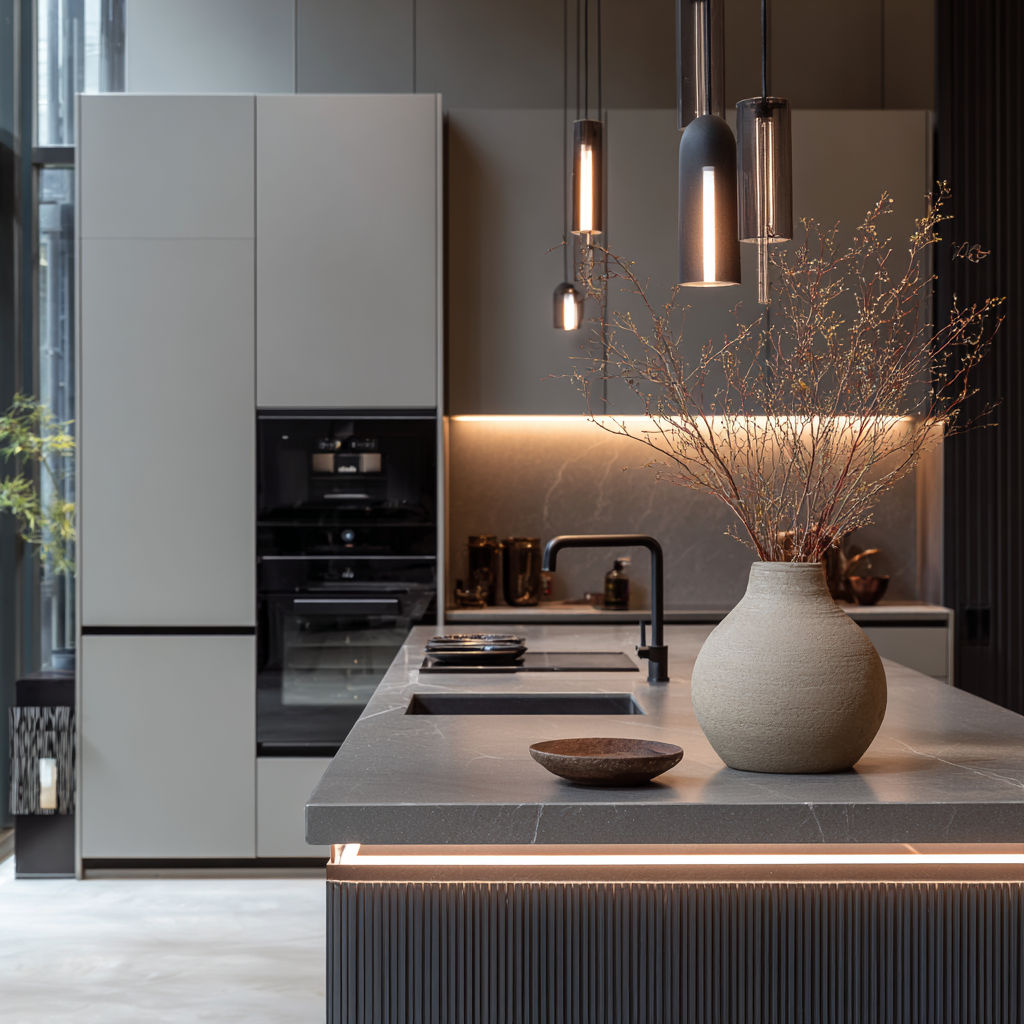
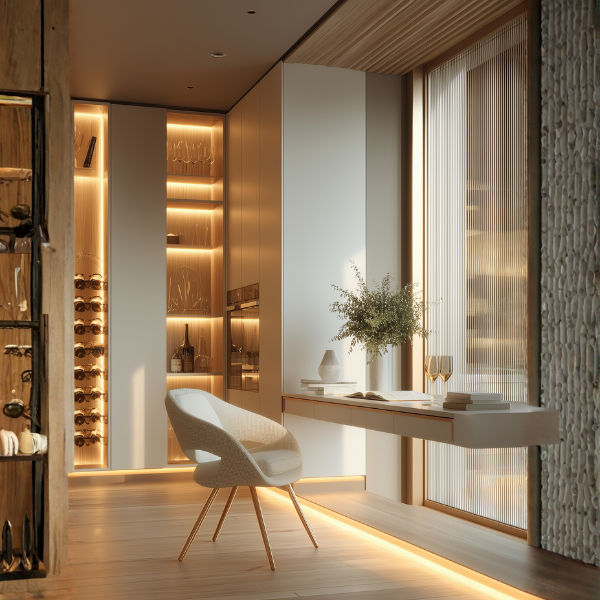
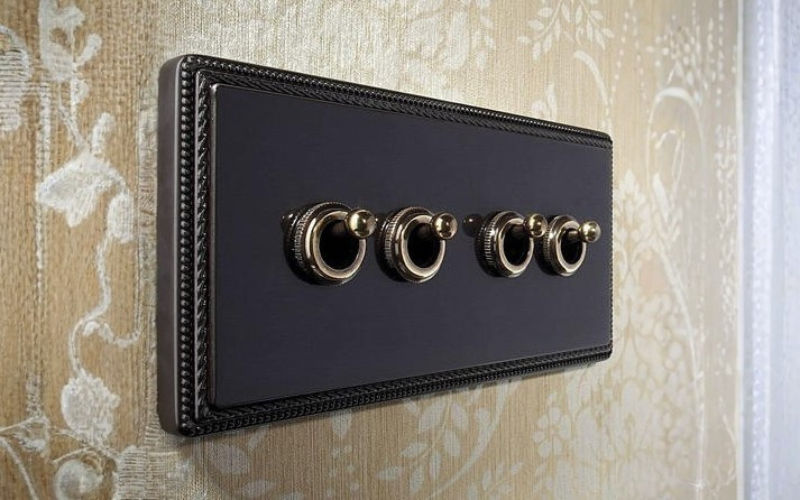
Control the mood with a single touch. We are experts in Lutron, Rako, and KNX systems. We can often retrofit smart modules behind existing switches, giving you app control and scene setting without the need for messy rewiring.


"They installed a vintage Murano chandelier in our hallway. The care they took with the fragile glass was incredible. They even reinforced the ceiling to ensure it was safe. Highly recommended."
"Finally, my kitchen LEDs dim perfectly without flickering! The team diagnosed the driver issue instantly and installed the correct components. The lighting now feels warm and premium."
"We needed trimless profiles installed in our new living room ceiling. The team's plastering work around the lights was immaculate. You can't see where the light begins and the ceiling ends."
"Installed a Lutron system in our living room without needing to chase walls. The ability to change scenes from my phone is fantastic. Great advice and flawless execution."
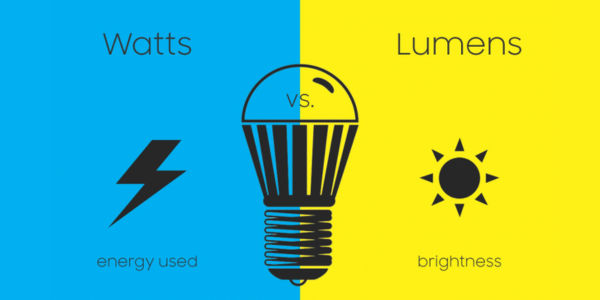
Don't look at watts for brightness; look at Lumens. For mood lighting, aim for lower lumens (400-600lm) per bulb. For task areas like kitchens, aim higher (800lm+).
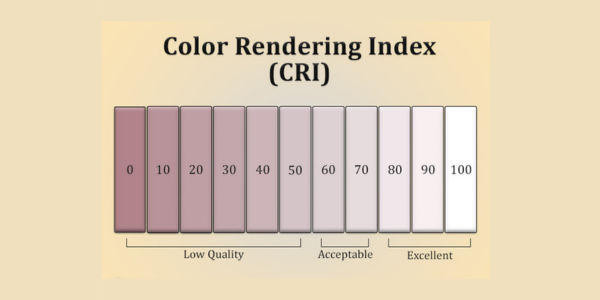
CRI (Color Rendering Index) measures how true colours look under light. For art, fabrics, and skin tones, we recommend high CRI (90+) LEDs to avoid that 'washed out' look.
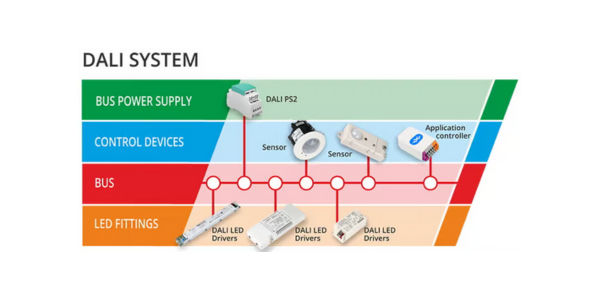
Not all LEDs are dimmable, and not all dimmers work with LEDs. Mixing technologies causes buzzing. We match Phase-Cut or DALI dimmers to your specific fixtures.
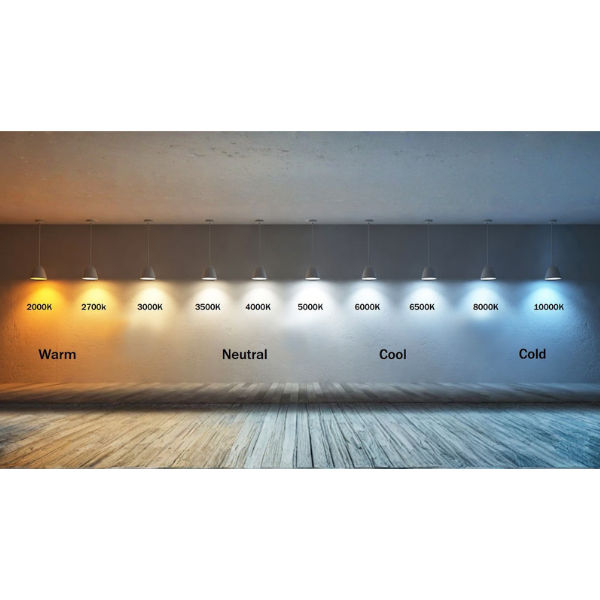
For residential warmth, stick to 2700K (Warm White) or 3000K (Soft White). Avoid 4000K (Cool White) in living areas as it can feel clinical and cold.
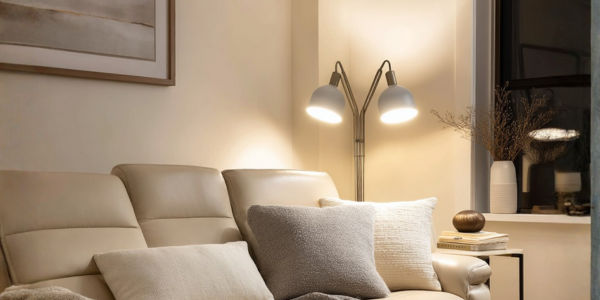
Lighting isn't just on/off. 'Scenes' allow you to group lights (e.g., "Dining", "Relax", "Welcome Home") at preset brightness levels for instant atmosphere.

Complex lighting often changes the electrical load significantly. A professional ensures circuits aren't overloaded and that earth bonding is sufficient for metal fixtures.
Yes. Heavy pendants and chandeliers require structural reinforcement to ensure the weight is carried by the building's structure rather than the ceiling finish alone. We access the ceiling void to install appropriate support, and verify the mounting arrangement before any fitting is hung. For plaster-in LED profiles, routing, fixings and driver placement all need to be coordinated with the plastering sequence.
Yes. Lighting control systems such as Lutron and Rako can be integrated at circuit level. Some systems can be retrofitted using wireless modules behind existing switches; others require a neutral wire at the switch position, which is typically available on new wiring or after a rewire. We advise on what is practical for your specific property before specifying equipment.
Yes - renovation is the right time to review lighting circuits, add dedicated dimmer circuits, or plan for future smart control. Doing so alongside wider rewiring or power point work is substantially more efficient than returning to chase additional circuits through completed rooms.
Flickering typically indicates a compatibility mismatch between the dimmer type and the LED driver. Trailing-edge dimmers are generally more compatible with modern LED drivers than leading-edge types. If the dimmer type has been reviewed and flickering continues, the LED driver or lamp itself may need to be changed.
Number and type of fittings, ceiling structure and access, whether new circuits are needed, dimmer and driver compatibility work, and making good after cut-outs all affect quotation scope. We confirm pricing after reviewing fittings on site.

At Electrical Works, fine lighting is art. We protect your investment with engineering precision.
Why We Focus on Precision: