Solar Panels and Battery Storage for Surrey Estates and SW London - Using More of Your Own Solar Energy When You Need It Most

Book an Engineering Call

Why Standalone Solar is an Incomplete Investment

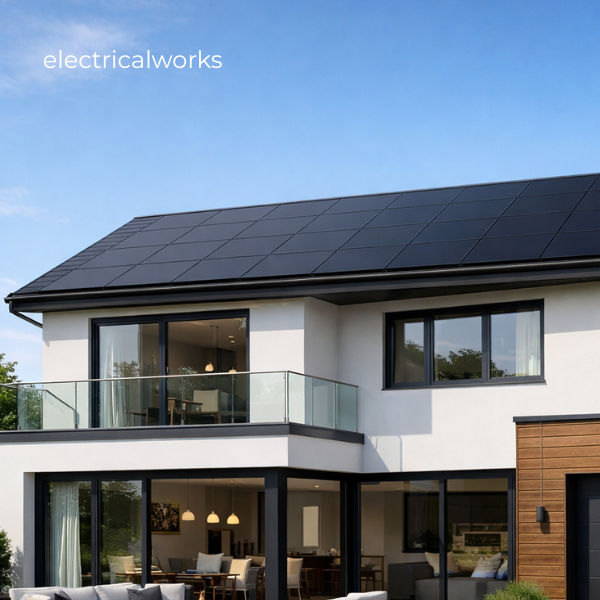
Pairing solar with a battery is the practical route for homeowners who want to keep more of their own generated electricity rather than exporting it cheaply and buying it back later at a much higher rate. This page covers that combined project from a household perspective - what changes day to day and what it costs to run - rather than the inverter engineering covered on our solar and battery technical design page; if this is the route you're considering, the starting point is a household consumption assessment to model how a battery would perform on your property. Solar panels generate peak power between 10am and 3pm. Your home reaches peak demand between 5pm and 10pm. Without battery storage, the solar electricity you generate at noon is exported to the grid at a Smart Export Guarantee rate of 4 to 6p/kWh, while you pay 28 to 33p to import it back six hours later. That is a systemic financial inefficiency built into every solar-only installation. A battery is not an optional upgrade - it is the component that closes the loop. It captures your surplus midday generation and holds it in reserve, deploying it precisely when your consumption peaks in the evening and overnight. Engineered correctly for a Surrey estate or SW London townhouse, this single architectural decision typically lifts your self-consumption from around 28 percent towards 80 percent or more, shortens the payback period, and converts a passive roof installation into an actively managed energy system designed to deliver measurable performance across its expected 25-year operating life. Actual figures depend on system design, property usage and tariff structure, and should be confirmed at survey and quotation stage. For payment and finance routes, see our smart financing page.

Four Pillars of the Solar and Battery Investment Case

0% VAT energy-saving materials icon

Potential 0% VAT on the Entire Installation

Some residential solar, battery storage and qualifying energy-saving installations may be eligible for 0% VAT, subject to current HMRC rules and confirmation at quotation. Where a project qualifies, the zero rate can apply to the entire installation - panels, inverter, battery, mounting, and labour - not just the battery component. For a premium Surrey installation comprising a 10kWp array and 20kWh battery at approximately 35,000 GBP, this could represent an indicative capital saving in the region of 7,000 GBP where eligible, with the exact figure and eligibility confirmed at survey and quotation stage.

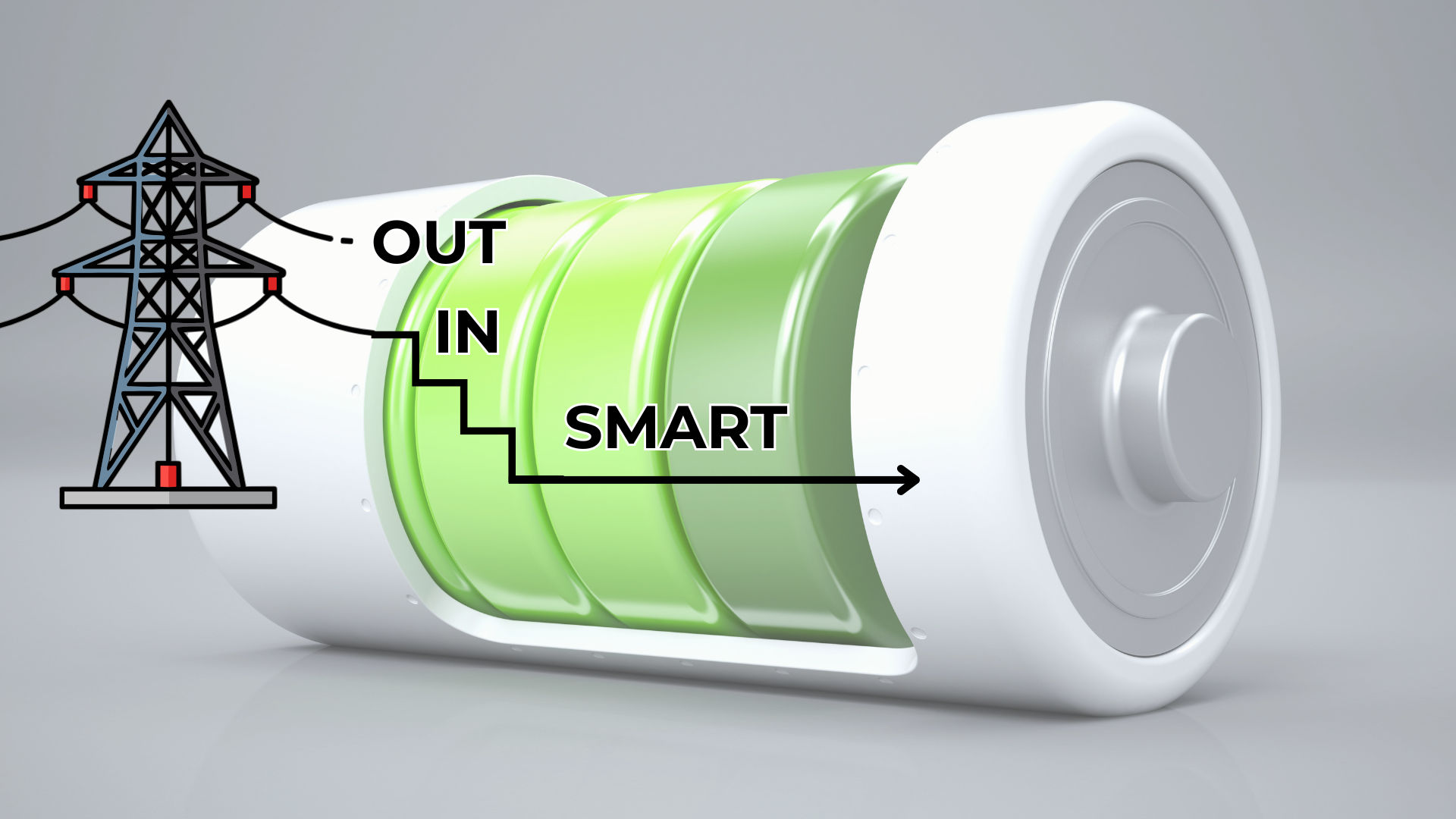
Diagram showing energy flowing in and out of a home battery system

Self-Consumption Engineered to 80 Percent and Above

The industry standard self-consumption figure for a solar-only system in Surrey is 28 to 35 percent. Every unit of electricity you generate beyond that figure is exported at 4 to 6p/kWh while you import at 28 to 33p in the evening. A correctly sized battery eliminates this margin. We size battery capacity against your actual half-hourly Smart Meter consumption profile - not against a standard 10kWh default - so the battery is designed to capture as much of your midday surplus as possible and deploy it against your specific evening load curve. Properly engineered, this is designed to deliver 80 to 87 percent self-consumption across the full year, depending on property usage and system specification.

Solar inverter monitoring app on a smartphone

One Integrated Platform - Total Control

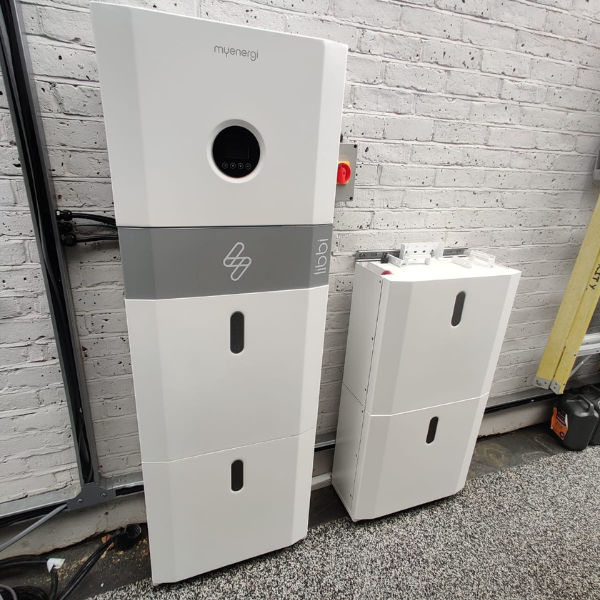
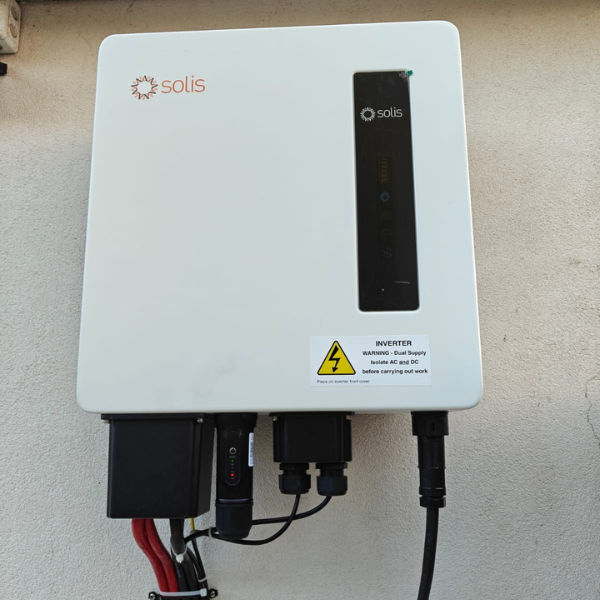
The most sophisticated solar and battery ecosystems operate as unified systems rather than two separate products. The SolarEdge Home Hub with SolarEdge battery, or the Tesla Powerwall 3 with its built-in solar inverter, route all generation, storage, and dispatch decisions through a single intelligence layer and a single app. This integration enables time-of-use optimisation, automatic Octopus tariff scheduling, real-time EV charge management, and predictive weather-based battery pre-charging - all operating simultaneously without manual input. Annual yield-versus-forecast reviews are included in every installation we complete.

Technology Partners

SolaX Power logo
SolarEdge logo
Sigenergy logo
Fox ESS logo
Eurener logo
EcoFlow logo
Connect EV logo
SolaX Power logo
SolarEdge logo
Sigenergy logo
Fox ESS logo
Eurener logo
EcoFlow logo
Connect EV logo

The Engineering Journey to a Smarter Energy System

1

Consumption Audit

We retrieve your half-hourly Smart Meter data and map your actual load curve. This reveals the precise gap between your midday generation peak and your evening consumption peak - the gap the battery is sized to fill. No guesswork, no industry averages.

2

Battery Sizing and Platform Selection

Battery capacity is calculated to absorb your daily solar surplus and cover your evening and overnight baseline load. We then select the inverter and battery platform - Tesla, SolarEdge, or GivEnergy - for confirmed Octopus tariff compatibility and long-term expandability.

3

Co-Designed Installation

Solar and battery are installed as one engineering project in a single programmed visit. DNO notification covers the combined system under one G98 or G99 submission. All AC and DC wiring is completed to BS 7671 standards. Battery commissioning and tariff scheduling are configured before we leave site.

4

Commissioning and Handover

Solar and battery are commissioned together with tariff scheduling configured and verified before we leave site. You receive your 0% VAT invoice confirming the full combined installation at zero rate, all Tier-1 manufacturer warranty documentation, and Smart Export Guarantee registration - all issued on the day of completion. The system is delivered in line with relevant UK solar, electrical and grid-connection requirements, with applicable certification handled by qualified professionals where required.

Our Engineering Standards

Grid Arbitrage: Automated Tariff Scheduling for Lower Running Costs

Your battery is designed to reduce running costs independent of sunlight - in winter, grid arbitrage becomes the primary value driver.

In summer, your battery charges from solar and discharges in the evening. In winter, when daily solar generation drops to 1 to 2 kWh, Octopus Intelligent Flux or Agile tariffs can trigger automated overnight charging at lower rates and peak discharge at higher rates.

  • Overnight charging: battery fills automatically between 11pm and 5am via the inverter API
  • Peak discharge: stored energy deploys between 4pm and 9pm, replacing expensive grid imports
  • Typical annual arbitrage value: in the region of 200 to 350 GBP in additional savings beyond solar on a 10kWh system, depending on tariff and usage, confirmed at quotation stage
  • Zero manual management: all tariff scheduling configured at commissioning and runs autonomously
Engineer reviewing roof plans and solar string layout 3D solar shading model showing roof irradiance

Emergency Power Supply: Whole-House Resilience When the Grid Fails

A premium Surrey or SW London property cannot afford unmanaged power interruptions - EPS turns your battery into a whole-home UPS.

Security systems, gate automation, home office infrastructure, climate control, and refrigeration all require continuous, regulated power. Tesla Powerwall 3 and SolarEdge Home Hub island-switch your property in under 20 milliseconds - before most sensitive electronics can detect the outage.

  • Sub-20ms island switching: seamless transition before most electronics register any supply anomaly
  • Whole-home coverage: security, climate, refrigeration, and home office infrastructure maintained simultaneously
  • Solar continuation in island mode: panels continue charging the battery during daylight outages
  • Load modelling included: critical load requirements confirmed during the pre-installation audit
Sleek all-black solar PV on period roof - heritage integration Flush in-roof solar panel mounting system

Tier-1 Ecosystem Hardware: One Platform, One App, Total Intelligence

The most consequential decision in any solar and battery installation is hardware ecosystem selection - we specify only fully integrated platforms.

Budget installations combine inverters, batteries, and third-party energy managers from different manufacturers. Firmware updates can break compatibility, data visibility fragments, and support accountability becomes unclear. We specify ecosystems where inverter and battery are designed as a single product.

  • SolarEdge Home Hub: generation, storage, dispatch, and tariff scheduling through one app and one intelligence layer
  • Tesla Powerwall 3: built-in solar inverter, battery, and EPS in a single unit with zero compatibility risk
  • GivEnergy AIO: all-in-one hybrid platform with confirmed Octopus API integration and 10-year warranty
  • 25-year module warranties: manufacturer-backed coverage valid throughout the full finance term and beyond
Solar savings projection chart Solar and battery system design drawing

Precision Yield Modelling Before Any Capital Commitment

You receive a detailed financial forecast before signing anything - we model your specific property, not an industry average.

Every system begins with a pre-commitment model built from your half-hourly Smart Meter data, roof irradiance modelling, and confirmed DNO export limit. The output shows projected self-consumption, grid import reduction, SEG income, and tariff arbitrage return across the full asset life.

  • Half-hourly Smart Meter data: battery sized against your real evening and overnight load curve
  • DNO export limit modelling: array and inverter settings designed within your confirmed export allowance
  • Year-by-year financial forecast: full 25-year projection delivered before any contract is signed
  • Annual performance reviews: actual generation and self-consumption compared against forecast post-installation
Scaffold tower providing safe access to a roof Electrician testing AC output at an inverter

Client Success Stories

Thomas K.

Weybridge, Surrey

"We commissioned a 10kWp array with two Tesla Powerwall 3 units as a single engineered system for our estate. The pre-commitment financial model was detailed and has proven accurate in practice. Self-consumption is running at 87 percent, our annual grid import bill has dropped by over 75 percent, and the Octopus Intelligent tariff scheduling has been working automatically since commissioning day. The entire installation qualified for 0% VAT and the saving was significant."

Helen M.

Richmond, SW London

"The grid arbitrage explanation before we committed was what convinced us to proceed. In the months with lower solar generation, the GivEnergy battery charges overnight on Octopus Agile at rates below 8p and discharges in the evening peak. Combined with the solar in summer, our blended effective electricity cost has been under 7p/kWh across the last 14 months. The engineering team configured everything at handover - we have not had to touch the scheduler once."

What Every Surrey Homeowner Should Know

Overcast sky above a city skyline

The Self-Consumption Gap

A south-facing 4kWp solar array in Surrey generates approximately 3,600 kWh per year. Without battery storage, only 28 to 35 percent of that generation is consumed directly. The rest is exported at 4 to 6p/kWh under the Smart Export Guarantee while you import at 28 to 33p in the evening. A correctly sized battery shifts that self-consumption figure above 80 percent, fundamentally transforming the financial case for the entire installation.

Hybrid inverter display showing battery state of charge

Winter Arbitrage: When Solar Sleeps, the Battery Works

Between November and February, Surrey solar generation averages just 1.5 to 2.5 kWh per day. During this period, your battery switches automatically to grid arbitrage mode. On Octopus Intelligent, it charges at the off-peak rate overnight and discharges during the evening peak period. This automation runs silently in the background, turning your battery into an ongoing source of running-cost savings regardless of the weather.

Solar panel planning information graphic

Potential VAT Savings on a Combined Installation

Battery storage installed alongside solar panels can bring the entire combined installation into the 0% VAT zero rate, where eligible under current HMRC rules. For a premium Surrey installation at 35,000 GBP, this could represent an indicative saving in the region of 7,000 GBP, applied directly to your invoice on commissioning day once eligibility and scope are confirmed at quotation stage.

Frequently Asked Questions

Why does adding battery storage transform the economics of my solar installation?

Without battery storage, a south-facing 4kWp solar array in Surrey self-consumes only 28 to 35 percent of its annual generation. The remainder is exported to the grid at Smart Export Guarantee rates of 4 to 6p/kWh, while you continue importing at 28 to 33p/kWh during the evening. A correctly sized battery captures the midday surplus and deploys it against your peak evening demand, lifting self-consumption above 80 percent. This typically shortens the payback period of a combined installation compared with a solar-only system, although actual payback and total returns depend on system design, usage patterns, tariff structure and future energy prices, and should be confirmed at quotation stage.

How does grid arbitrage work and does it function automatically?

Grid arbitrage is the process of charging your battery from the grid at a low off-peak rate and discharging it during high-rate peak periods. On Octopus Intelligent Flux, the battery charges automatically overnight between 11pm and 5am at rates of 7 to 12p/kWh and discharges between 4pm and 9pm when grid rates reach 28 to 35p/kWh. The inverter platform handles this scheduling autonomously through the Octopus API - you do not manage it manually. We configure the full tariff integration at commissioning. During winter months, this mechanism can operate on most evenings regardless of solar generation, providing an additional source of running-cost savings throughout the low-sun season, with actual savings depending on tariff and usage.

Will the battery protect my home during a power cut?

Yes. All Tier-1 battery systems we install include Emergency Power Supply (EPS) functionality. During a grid outage, the inverter island-switches your property within 20 milliseconds, maintaining supply to security systems, climate control, home office equipment, refrigeration, and lighting. The Tesla Powerwall 3 and SolarEdge Home Hub with battery both support whole-home EPS operation. If your solar panels are generating during the outage, they continue charging the battery in island mode - extending your autonomous supply through daylight hours. Whole-home backup capacity depends on battery size and your household load, which is modelled as part of the pre-installation audit.

Does the 0% VAT apply to the full solar and battery installation?

Some residential solar, battery storage and qualifying energy-saving installations may be eligible for 0% VAT, subject to current HMRC rules and confirmation at quotation. Where a project qualifies, when battery storage is installed alongside a solar PV system, the entire combined installation - panels, inverter, battery, mounting hardware, cabling, and labour - can be zero-rated, not just the battery component. For a premium Surrey installation comprising a 10kWp solar array and 20kWh battery storage, this could represent an indicative saving in the region of 7,000 GBP compared with a standard-rated purchase. We confirm eligibility and issue the appropriate VAT invoice on commissioning day, subject to confirmation of scope at survey and quotation stage.
Commission Your Solar and Battery System in Surrey or SW London

If the form does not work, email hello@electricalworks.uk or book a consultation.