1
Load Analysis
We analyze your daily energy profile to determine a battery capacity (kWh) suited to your household, so you are far less likely to run empty.
Battery storage is for homeowners across Surrey and SW London who want to use more of their own energy, whether or not they have solar, and the next step is a consumption assessment to size a system for your property. Solar panels generate energy during the day, but most households use it most in the evening. Battery storage bridges this gap. By storing surplus solar generation, you shift energy use to when you need it most - reducing grid imports and improving the return on your solar investment. Without solar, a battery can still deliver value by charging from the grid during cheap off-peak periods and discharging during expensive peak hours. Battery performance depends on system design, tariff structure, usage profile and electrical infrastructure. We model these factors before specifying equipment. Explore our specialist pages: standalone battery storage, battery retrofit for existing solar, solar and battery designed together, solar, battery and grid integration, and battery storage with EV charging. For payment and finance routes, see our smart financing page.
.png)
Compatible with smart tariffs like Octopus Flux. Charge during off-peak overnight periods and use that lower-cost energy during the day - the saving depends on your tariff rates, battery capacity and household consumption.

Keep your lights, Wi-Fi, and fridge running during a power cut. Our systems can be installed with EPS (Emergency Power Supply), with the circuits covered agreed with you at survey stage based on your consumer unit and priority loads.
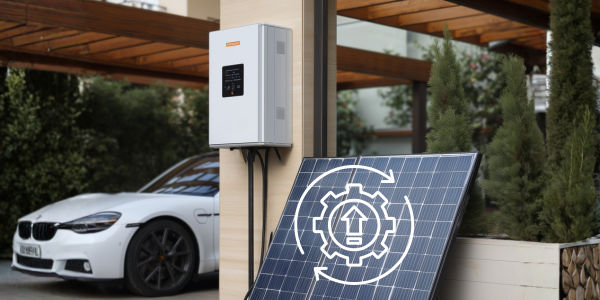
Already have solar panels? No problem. We can "AC-Couple" a new battery system to your existing array without needing to replace your current inverter.







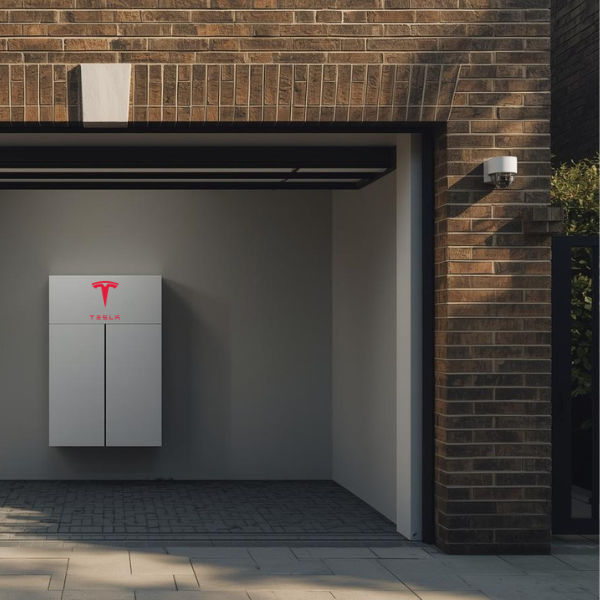
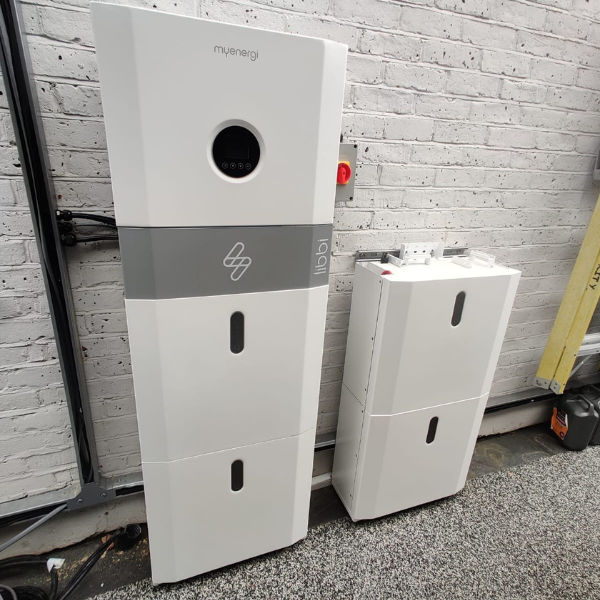
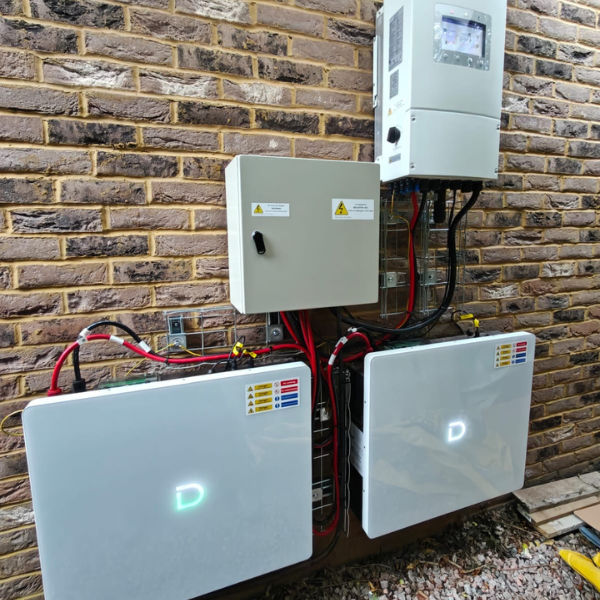
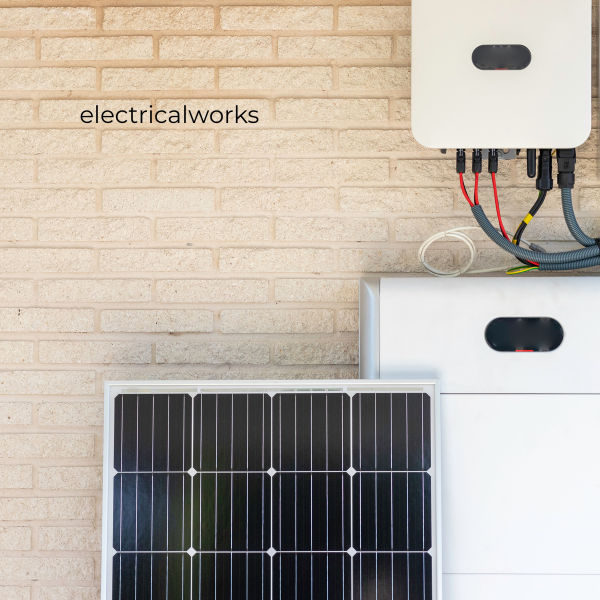
We analyze your daily energy profile to determine a battery capacity (kWh) suited to your household, so you are far less likely to run empty.
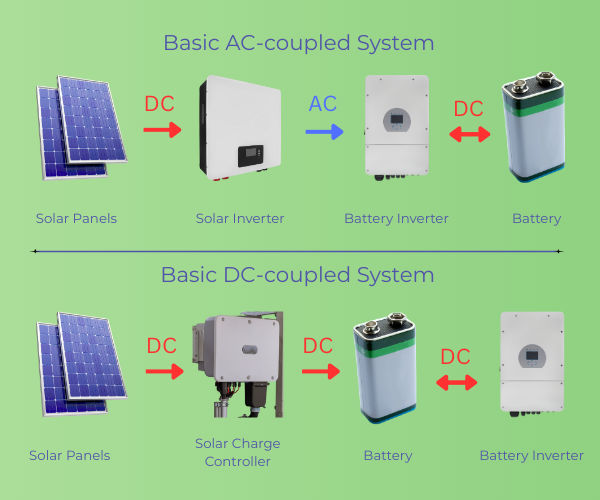
We choose between AC-coupled (retrofit) or DC-coupled (new solar) systems to maximize efficiency and compatibility.
Our electricians install the unit, configure the gateway for backup power, and connect it to your Wi-Fi.
We help you switch to a smart tariff (e.g. Octopus) and program the battery to charge when energy is cheapest.
DC-Coupled: Best for new solar installs. The battery charges directly from the panels before the inverter converts it to AC. Highly efficient.
AC-Coupled: Best for retrofits. It sits separately from your existing solar inverter. Flexible and works with any solar brand.

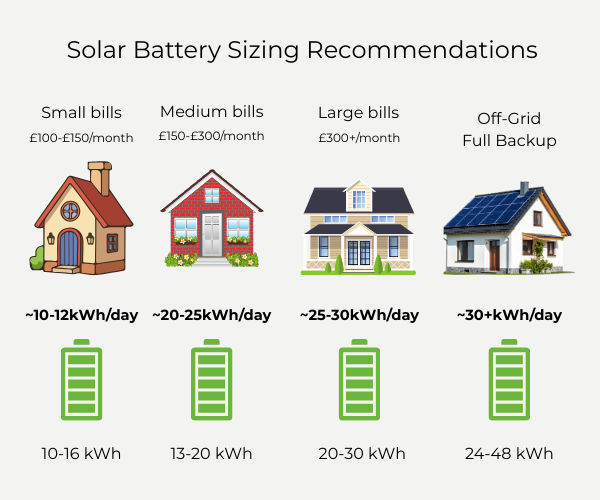
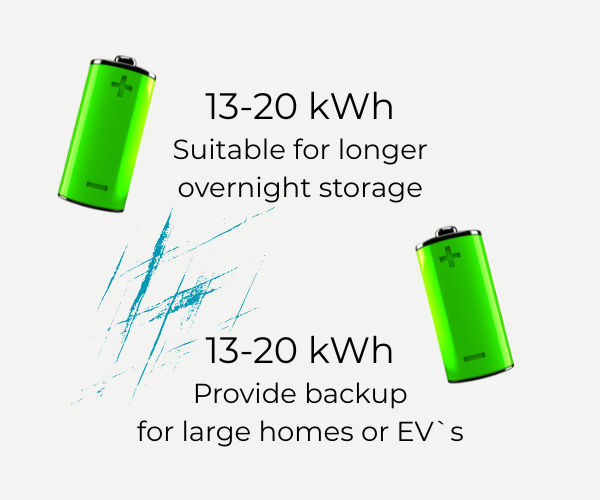
A typical London home uses 8-10kWh per day. We recommend a battery that covers your evening usage (usually 5-10kWh). We install modular systems (like GivEnergy or Enphase) that allow you to add more capacity later if your needs change (e.g., buying an EV).
Batteries prefer moderate temperatures (garage, utility room, or hallway). We strictly adhere to PAS 63100 fire safety regulations, ensuring fire detection is installed near the unit and adequate ventilation is provided to maintain warranty performance.
.png)
Modern batteries are smart. We can set them up to export energy back to the grid during peak pricing hours (4pm-7pm) under your export tariff arrangement. This kind of smart export can help improve the overall economics of your system, depending on tariff rates and export terms.

"We added a Tesla Powerwall to our existing solar panels. The Electrical Works team handled the retrofitting perfectly. Now we run on stored sunshine almost every evening and hardly pay a penny to the grid."
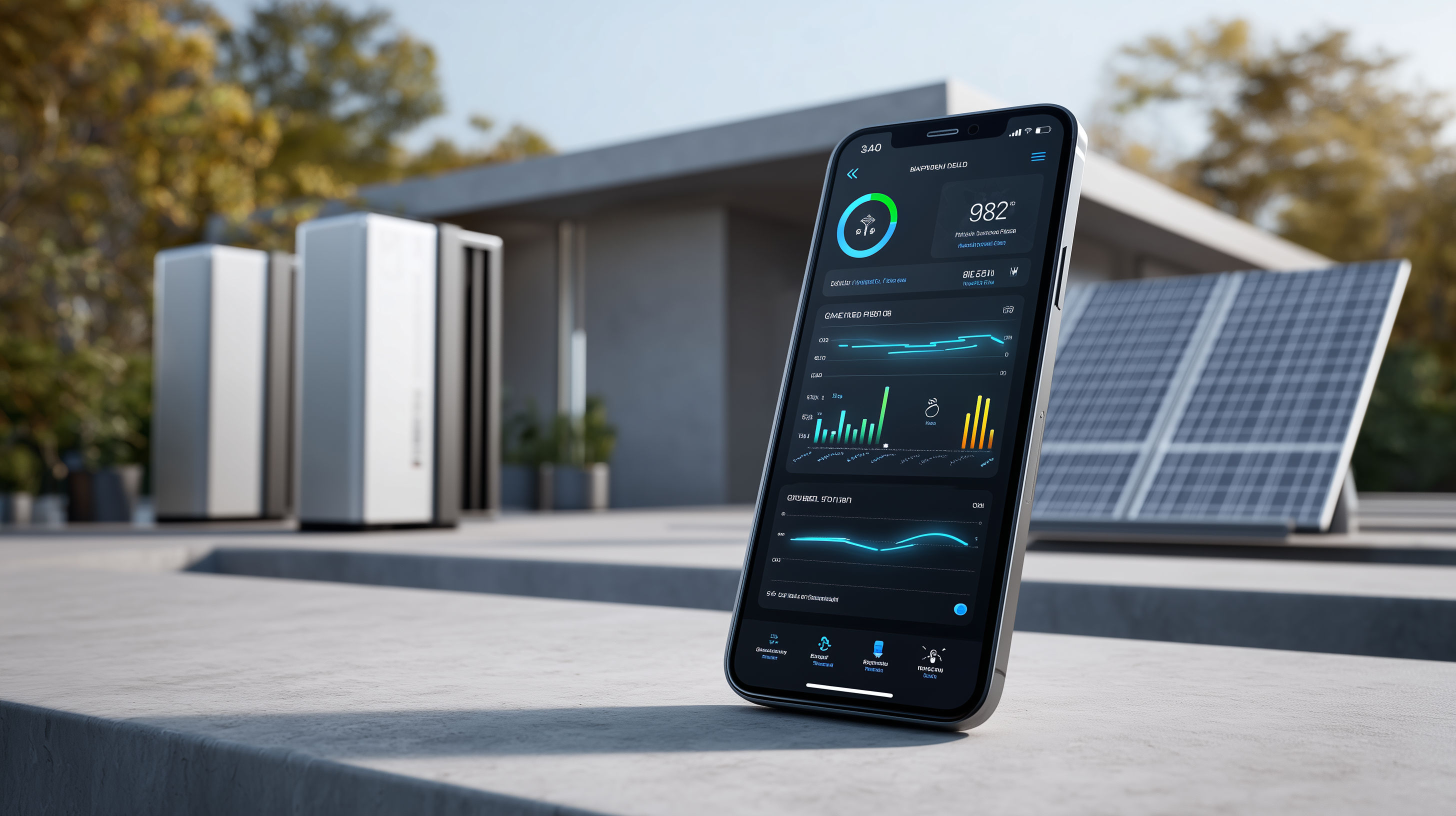
"With the Octopus Agile tariff and our new GivEnergy battery, we charge up at 3am for cheap and use that power all day. The installation was neat, and the app setup was explained clearly."
.png)
Modern Lithium-Iron (LiFePO4) batteries are extremely durable. Most come with a 10-year warranty and are rated for over 6,000 cycles (roughly 15 years of daily use).
.png)
Capacity (kWh) is how much you store. Power (kW) is how fast you can use it. We ensure your battery has enough power to run your kettle and shower simultaneously.
.png)
Solar generation drops in winter, but your battery is still useful. We program it to force-charge from the grid during cheap off-peak hours to keep your bills low.
Battery storage can be designed for different backup expectations, and the right approach starts with a proper design review of your property rather than a bigger battery. In plain language this is sometimes called full house backup, but Whole Home Backup is the more accurate description, because it is a specific electrical design outcome rather than something every battery installation automatically provides.
Whole Home Backup aims to support the wider property during an outage, including circuits beyond the essentials. This is only achievable when the battery capacity, inverter output and backup switching equipment have been specified with that goal from the outset, and it is not a feature every installation includes.
Essential-load backup is a common and often more practical starting point. It focuses on a defined set of circuits agreed with you at survey stage, such as lighting, internet, refrigeration, heating controls or key sockets, so the things that matter most keep working without asking the system to carry the whole property.
EV chargers, electric showers, ovens, heat pumps and similar high-draw equipment need particular consideration, since they can draw more power than a backup circuit is designed to carry. Whether any of these can be included is confirmed at survey stage rather than assumed.
The right approach depends on several factors working together: battery capacity, inverter output, the backup gateway or changeover arrangement, your consumer unit layout, and your own priorities for what should keep running during an outage. We review these with you before recommending a system, rather than assuming the largest battery is automatically the right answer. See how backup planning fits into a wider system on our complete energy ecosystem page.
Yes. This is known as standalone storage. The battery can be charged from the grid during cheap off-peak periods, such as overnight, and used when prices are higher. This can be a cost-effective option if solar panels aren't possible at your property.
It depends on the installation. Standard installs usually shut down during a power cut for safety. Installing an EPS (Emergency Power Supply) switch or a compatible gateway allows the system to provide essential-load backup, or in some properties Whole Home Backup, depending on how it has been designed.
Whole-home backup is designed to support the wider property during a power cut, while essential-load backup covers a defined set of priority circuits, such as lighting, internet, refrigeration or heating controls. Which approach suits your home depends on your battery capacity, inverter output and consumer unit layout, and this is confirmed at survey stage.
Not on its own. Standard grid-tied solar panels are required to shut down automatically during a power cut for safety reasons. To use solar generation during an outage, the system needs a compatible battery, inverter and backup switching arrangement designed for that purpose.
It depends on the design. EV chargers draw significant power, so running one from backup is not automatic and needs to be planned for specifically, including the battery capacity and inverter output required. This is assessed property by property rather than assumed.
Battery capacity, inverter output, the backup gateway or changeover arrangement, your consumer unit layout and which circuits matter most to you during an outage. We review these together before recommending whether whole-home or essential-load backup is the better fit.
Garages, utility rooms and lofts are common locations. Some units are rated for outdoor use, but sheltered areas are generally recommended to maintain optimal temperature and performance.
Some residential solar, battery storage and qualifying energy-saving installations may be eligible for 0% VAT, subject to current HMRC rules and confirmation at quotation. This applies whether a battery is installed with solar or on its own, but eligibility and the applicable VAT position should be confirmed at survey and quotation stage.

Maximize your investment. Without a battery, you likely export 50-70% of your solar energy back to the grid for pennies.
With a properly sized battery system:
"A battery transforms your home from a passive energy consumer into an active energy hub."