Standalone Battery Storage for Surrey and SW London - The Invisible Financial Asset That Needs No Solar Panel

Book an Engineering Call

For Listed Buildings, Heritage Estates and Properties Where Solar Is Not an Option

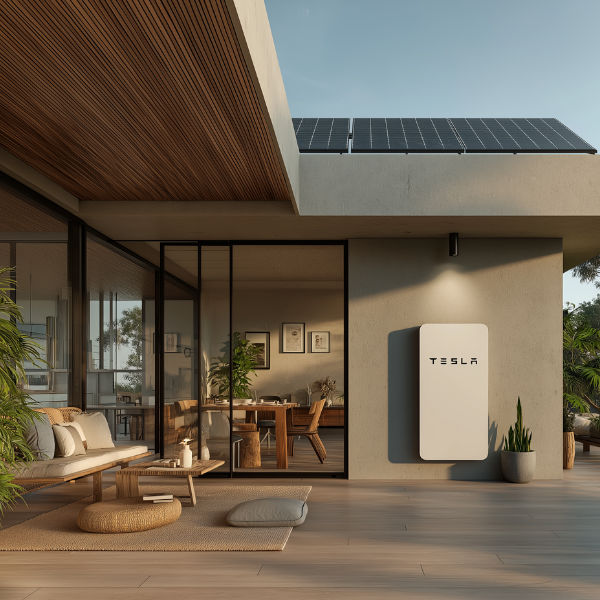
A significant number of Surrey and SW London's most prestigious properties cannot have solar panels. Grade I and Grade II listed buildings face planning restrictions that prohibit visible roof alterations. Decorative Welsh slate, clay plain tiles, and historic leadwork cannot accept standard mounting systems without structural compromise. North-facing principal elevations and complex hip and valley rooflines return yields that do not justify the capital. For all of these properties, the standard renewable energy conversation ends at the first survey. But the financial and resilience case for a standalone battery system begins precisely where solar ends. A standalone battery has no visibility from the exterior of your property. It installs entirely within your garage, utility room, or plant room and connects to your existing consumer unit. It requires no planning permission. It does not touch your roof, your tiles, or your chimney. And from commissioning day, it operates as an automated energy trading device: purchasing electricity from the grid overnight on Octopus Intelligent at 7 to 9p/kWh and supplying your home during expensive peak periods at the same rate as grid electricity that would otherwise cost 25 to 35p. That daily arbitrage spread, executed by the battery management system without any instruction from you, delivers 400 to 700 GBP in annual savings on a correctly sized 10kWh installation. Since February 2024, this entire installation qualifies for 0% VAT. The financial case is independent of the season, independent of the weather, and independent of any planning authority whatsoever.

Four Pillars Every Surrey Estate Owner Should Understand

Home energy app showing solar import and export — battery discharge savings London MCS electricalworks

Automated Daily Trading: The Grid Arbitrage Engine

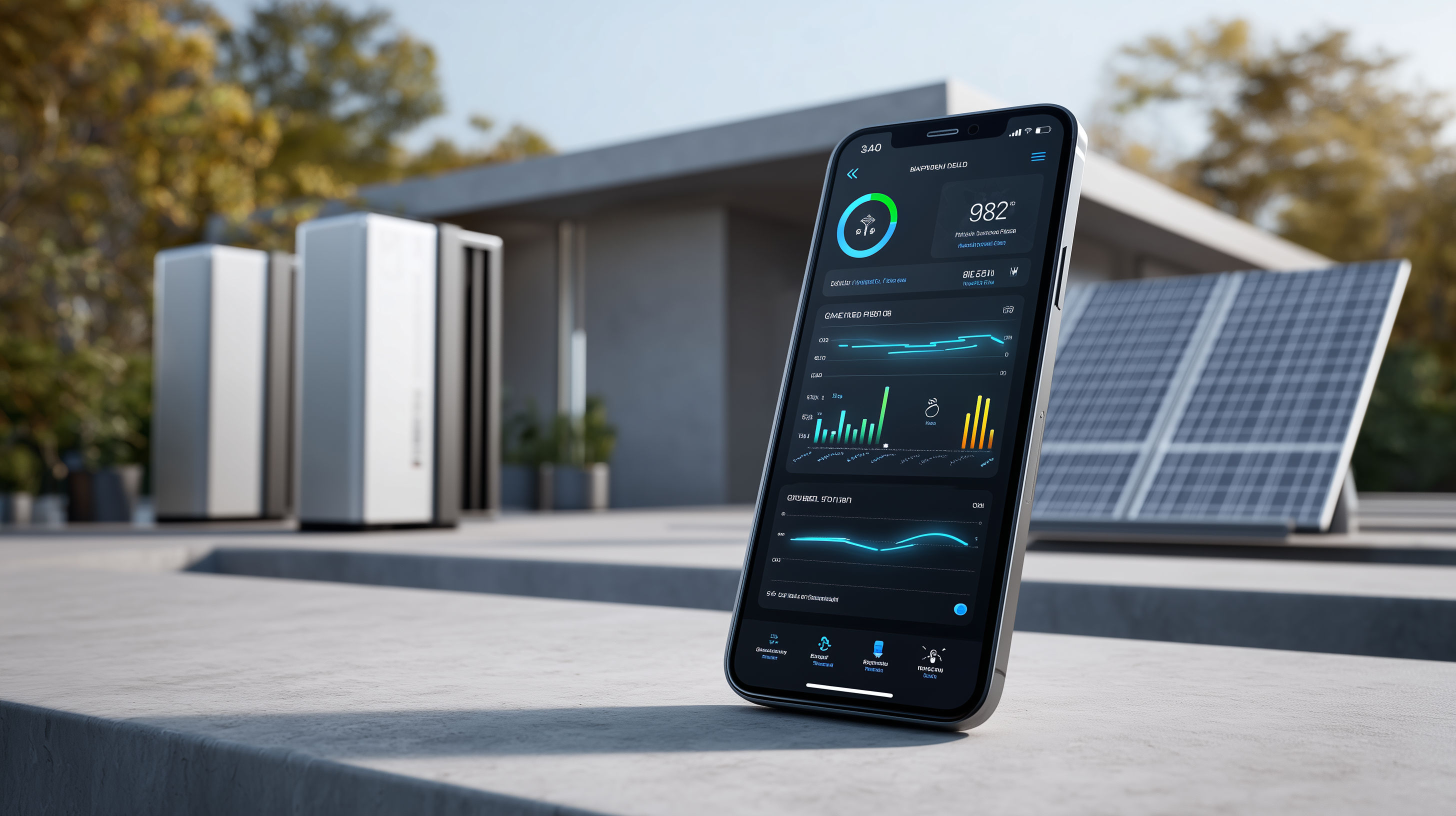
Think of a standalone battery as a financial instrument that operates in your garage. Every night, between 11pm and 5am, the battery management system connects to the Octopus API, receives the cheapest half-hourly pricing slots of the coming day, and charges the battery automatically at 7 to 9p/kWh. From the moment your household wakes up, the battery begins supplying every load in the property - lights, appliances, climate control, EV charger - from this cheap overnight reserve. The grid is only called upon when the battery falls below its minimum reserve threshold, or when demand briefly exceeds the battery's continuous output rating. The daily price spread of 18 to 26p per kilowatt-hour, applied consistently across a 10kWh battery making one to two cycles every day, delivers 400 to 700 GBP per year in measurable savings - completely independent of whether the sun has risen at all. No sunlight. No panels. No roof access required. Just automated price arbitrage, silently generating a return on capital every day of the year.

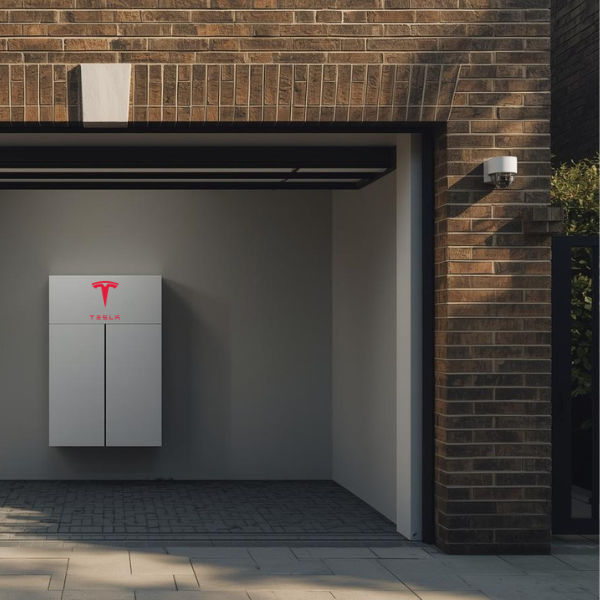
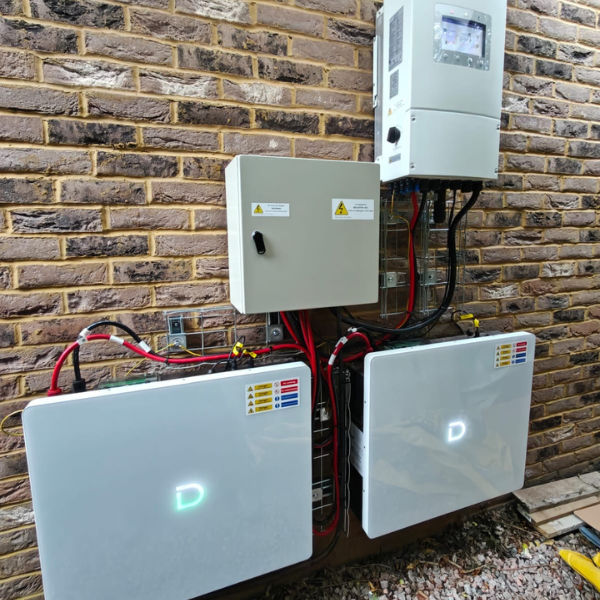
Wall-mounted lithium home battery with isolators — backup power for London homes G98 compliant MCS

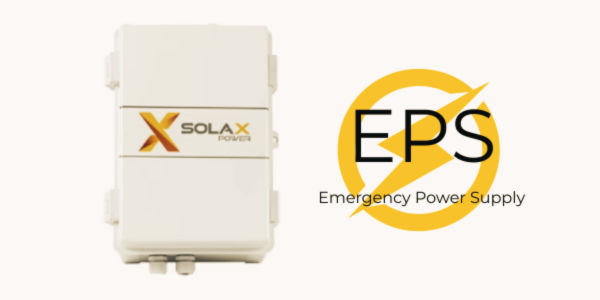
Silent EPS Backup - The End of the Diesel Generator

A Surrey estate running Control4 whole-home automation, Lutron scene lighting, IP security cameras, NAS storage servers, Daikin or Mitsubishi climate control, and electrically operated gate and garage systems cannot tolerate an unmanaged power interruption. A diesel generator addresses this - noisily, with fumes, with fuel storage liability, with cold-start delays of 10 to 30 seconds that crash every running system before it can re-establish supply, and with maintenance requirements that most estate managers would prefer to eliminate. A Tesla Powerwall 3 or GivEnergy AIO fitted with EPS replaces all of this with a single device on the wall. During any grid outage, the battery executes an island-switch in under 20 milliseconds - below the detection threshold of virtually every sensitive electronic device. No reboot. No scene reset on the lighting controller. No security system disarm and re-arm cycle. No climate zone reset. Power continues without any detectable transition. The battery continues supplying the full estate load for 12 to 24 hours depending on consumption and capacity, and if solar is ever added to the property, it extends autonomous supply through every daylight hour indefinitely.

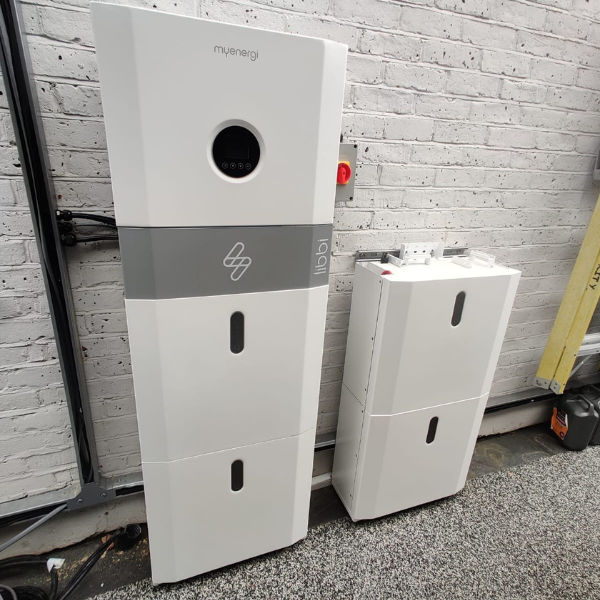
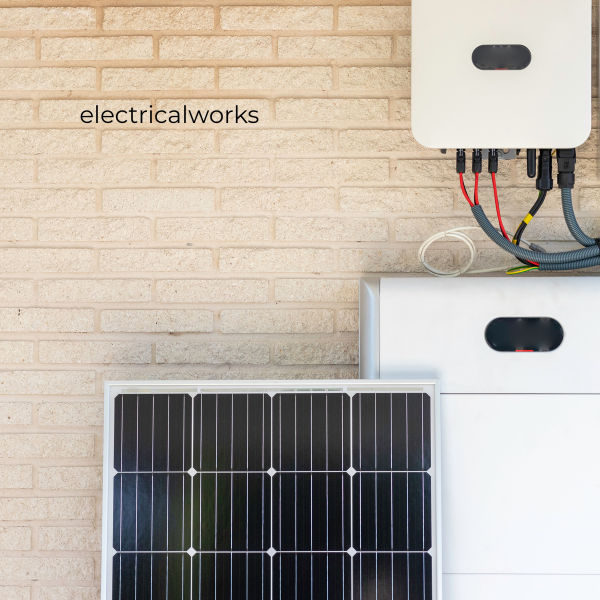
Retrofit AC-coupled battery beside existing solar — increased self-consumption London electricalworks

0% VAT Since February 2024 - An Immediate 20% Capital Saving

In February 2024, HMRC updated its energy-saving materials guidance to confirm that standalone residential battery storage installations qualify for 0% VAT, independent of any concurrent solar installation. This is not a rebate, not an application scheme, and not a delayed incentive. The zero rate is applied directly to your invoice at the point of purchase: battery hardware, inverter, mounting system, DC and AC cabling, and all installation labour are all zero-rated. On a Tesla Powerwall 3 installation with a typical all-in cost of 9,000 to 12,000 GBP, the 0% VAT position saves 1,800 to 2,400 GBP versus a standard-rated purchase - immediately improving the return on capital and shortening the payback period by 12 to 18 months. This is the most significant capital incentive currently available to residential energy investors in Surrey and SW London who cannot or do not wish to install solar panels.

Battery Partners

Tesla Wall Connector and Tesla Energy brand logo — solar-linked EV charging by MCS-certified electricalworks
SonnenBatterie home storage brand logo — AC-coupled batteries for London solar retrofits
SolarEdge HD-Wave inverter brand logo — shaded solar design with module-level optimisation London
LG solar module brand logo — high-efficiency PV panels installed by MCS electricalworks London
Trina Solar monocrystalline panel brand logo — MCS-certified rooftop arrays South and West London
Tesla Wall Connector and Tesla Energy brand logo — solar-linked EV charging by MCS-certified electricalworks
SonnenBatterie home storage brand logo — AC-coupled batteries for London solar retrofits
SolarEdge HD-Wave inverter brand logo — shaded solar design with module-level optimisation London
LG solar module brand logo — high-efficiency PV panels installed by MCS electricalworks London
Trina Solar monocrystalline panel brand logo — MCS-certified rooftop arrays South and West London
Tesla Wall Connector and Tesla Energy brand logo — solar-linked EV charging by MCS-certified electricalworks
SonnenBatterie home storage brand logo — AC-coupled batteries for London solar retrofits
SolarEdge HD-Wave inverter brand logo — shaded solar design with module-level optimisation London
LG solar module brand logo — high-efficiency PV panels installed by MCS electricalworks London
Trina Solar monocrystalline panel brand logo — MCS-certified rooftop arrays South and West London
Tesla Wall Connector and Tesla Energy brand logo — solar-linked EV charging by MCS-certified electricalworks
SonnenBatterie home storage brand logo — AC-coupled batteries for London solar retrofits
SolarEdge HD-Wave inverter brand logo — shaded solar design with module-level optimisation London
LG solar module brand logo — high-efficiency PV panels installed by MCS electricalworks London
Trina Solar monocrystalline panel brand logo — MCS-certified rooftop arrays South and West London

The Four-Stage Installation Process

Consumption and Load Audit

We retrieve your half-hourly Smart Meter data and map your household load curve - identifying peak demand periods, overnight baseline, and the optimal battery capacity to maximise daily arbitrage cycles while retaining full EPS reserve for blackout scenarios.

Platform and Location Design

We select the battery platform for confirmed Octopus API compatibility and EPS specification, determine the optimal physical location within your property for thermal performance and aesthetics, and plan all cable routing concealed through the building structure.

Precision Installation

Our directly-employed NAPIT engineers install the complete system to BS 7671 and PAS 63100 fire safety standards. All cabling is concealed. The installation is designed to look like high-end IT infrastructure, not a construction site residue.

Octopus Activation and EPS Verification

We configure the battery management system for your specific Octopus tariff, verify EPS island-switch function, confirm 0% VAT documentation, and issue all manufacturer warranty records before engineers leave your property. No follow-up visits required.

The Engineering Detail Behind Every Installation

Grid Arbitrage: The Daily Trading Cycle in Your Garage

Every night, your battery executes an automated energy trade - no timers to set, no app interaction, and no missed sessions.

The Octopus Energy API transmits half-hourly pricing data 24 hours ahead. Your Tesla Powerwall Gateway or GivEnergy platform identifies the cheapest overnight window and schedules charging automatically. By 6am, a 13.5kWh unit holds electricity bought at 7 to 9p/kWh - then deploys it when daytime imports cost 25 to 35p/kWh.

  • Overnight charge cost: approximately 95p to 1.22 GBP for a full 13.5kWh cycle
  • Daytime displacement value: 3.38 to 4.73 GBP against peak grid imports
  • Daily arbitrage spread: 2.16 to 3.51 GBP per active trading day
  • Annual return: 648 to 1,053 GBP from a single unit across 300 cycling days
AC-coupled battery inverter schematic - retrofit battery on existing solar London MCS DC-coupled battery with hybrid inverter - higher round-trip efficiency new solar London electricalworks

EPS Architecture: Zero-Downtime Power for Luxury Estate Infrastructure

Below the detection threshold of every smart home controller - no reboot, no reset, and no interruption to your estate infrastructure.

A premium Surrey or SW London property runs dozens of simultaneous loads with varying sensitivity to supply loss. Control4 processors, IP cameras, VRV climate systems, and NAS servers all fail differently during a grid outage. A diesel generator adds a 10 to 30 second cold-start delay - long enough for every sensitive device to begin its failure sequence.

  • Sub-20ms island switch: Tesla Gateway or GivEnergy AIO transitions before any connected controller registers an anomaly
  • Whole-estate coverage: security, climate, automation, and servers continue without any reset cycle
  • Silent operation: no fuel, exhaust, cold-start delay, or maintenance programme required
  • Load-modelled duration: 12 to 24 hours autonomy sized against your specific critical load profile
Battery kWh sizing calculator on tablet - load profile and overnight coverage London MCS design Modular battery stack expansion - scalable kWh for growing EV and heat pump loads London

Server-Grade Aesthetics: Infrastructure Designed for Luxury Properties

A battery system on a Surrey estate should look like deliberate, considered infrastructure - not an electrical trade installation carried out at minimum cost.

Before any work begins, our engineers survey every concealed cable route through garage structures, utility voids, and internal wall channels. DC and AC runs are planned to sit fully hidden within the building fabric or within powder-coated steel trunking installed plumb and square at every junction.

  • Pre-installation route survey: no surface cable runs on visible walls without deliberate design intent
  • Powder-coated steel trunking: mitred, plumb, and square where surface routing is unavoidable
  • Rack-quality equipment layout: isolators, metering, and consumer unit amendments positioned with data-centre precision
  • Baseline standard: included on every job, not offered as a premium upgrade option
Battery installed in ventilated utility room - clearance and fire regulation compliance London Heat and smoke detection near battery store - insurance and DNO best practice London install

0% VAT Since February 2024 - Sizing, Compliance, and the Financial Model

Since February 2024, standalone home battery storage qualifies for 0% VAT - hardware, cabling, and installation labour included at invoice.

On a Tesla Powerwall 3 installation at 9,500 to 12,000 GBP all-in, the zero-rated rate saves 1,900 to 2,400 GBP against standard VAT at commissioning day. We retrieve your half-hourly Smart Meter data and map your load curve across 12 months before sizing capacity or presenting any financial model.

  • 0% VAT at invoice: battery module, BMS, inverter, cabling, and all installation labour zero-rated
  • Property-specific sizing: capacity optimised for arbitrage cycling and EPS reserve simultaneously
  • 10-year financial model: year-by-year ROI provided before any capital commitment is made
  • PAS 63100 compliance: full safety documentation issued to your buildings insurer on completion
Agile import export grid trading screen - battery arbitrage with Octopus-class tariffs London SMETS2 smart meter with CT clamps - accurate import export for battery control London MCS

What Our Customers Say

James O.

Wimbledon, SW19

★★★★★

"We installed a Tesla Powerwall 3 without solar purely for grid arbitrage and EPS backup on our smart home. The engineering team configured the Octopus Intelligent tariff at commissioning and it has been cycling automatically ever since. We have had two grid outages in the past year - on both occasions the home continued operating without interruption. The Control4 system, security, and climate control never went offline."

Elena M.

Richmond, TW10

★★★★★

"We chose a GivEnergy AIO on Octopus Agile without solar because we wanted to understand the financial case before committing to the full system. The installation is immaculate - fully concealed cabling and the unit looks exactly right in our utility room. The annual saving is running at over 600 GBP from grid arbitrage alone. We are now adding the solar panels and the infrastructure was already sized for it."

What Every Surrey and SW London Property Owner Should Know

Battery cycle life versus depth of discharge chart — warranty expectations London MCS customers

Listed Buildings - No Planning Permission Required

A standalone battery installation is entirely internal to the property and has no external visible impact whatsoever. It requires no Planning Permission application, no Listed Building Consent, and no Conservation Area consultation. For Grade I and Grade II listed buildings across Surrey and SW London - properties where solar panels are routinely refused or require extensive negotiation - a standalone battery delivers the full grid arbitrage and EPS resilience benefit with zero planning authority involvement. The installation sits inside your building, on your wall, in your utility room or garage, and is invisible from every external aspect of the property.

Hybrid inverter commissioning menu — battery charge limits and grid charge settings London

Power Output vs Capacity - Why Both Matter for Luxury Homes

Capacity (kWh) determines how long the battery can supply your home. Power (kW) determines how many simultaneous loads it can support. A luxury kitchen with an induction hob at 7.4kW, a dishwasher at 2.2kW, and an oven at 3.5kW requires 13.1kW instantaneous power - exceeding the 7.6kW continuous output of some battery platforms. Tesla Powerwall 3 delivers 11.5kW continuous and 22kW peak during EPS. GivEnergy AIO delivers 8kW continuous. We match power output specification to your measured peak demand profile, not to a generic household average, to ensure your battery can actually support the loads you run simultaneously.

Winter solar yield versus battery reserve — seasonal performance expectation London electricalworks

The February 2024 VAT Change - 20% Capital Saving at Invoice

In February 2024, HMRC revised its guidance to confirm that standalone home battery storage installations qualify for 0% VAT in all UK residential properties, independent of any concurrent solar purchase. This is the same zero-rate classification that applies to solar panels and heat pumps. On a 10,000 GBP premium battery installation, 0% VAT saves exactly 2,000 GBP compared with a standard-rated purchase. This saving is applied at invoice by us - you do not claim it back, you do not register for any scheme, and there is no waiting period. It is the single largest financial incentive available to Surrey and SW London homeowners installing battery storage today.

Frequently Asked Questions

Do I really need solar panels to benefit from a standalone battery?

No. A standalone battery is a complete financial investment without solar. On Octopus Intelligent, it charges at the off-peak overnight rate of 7 to 9p/kWh and discharges during peak hours at 25 to 35p/kWh. This daily price spread generates 400 to 700 GBP per year in pure arbitrage savings on a 10kWh system. Solar amplifies this further, but the standalone case is independently strong. Since February 2024, the 0% VAT benefit applies fully to standalone installations with no minimum solar requirement.

I own a listed building. Can I install a battery without affecting its status?

Yes. A standalone battery installation is entirely internal and has no external visible impact on the building. It requires no Listed Building Consent, no Planning Permission, and no Conservation Area consultation. The battery and all associated cabling are housed within the existing fabric of the building - typically in a garage, utility room, or plant room - and are invisible from every external aspect. This makes standalone battery storage the only renewable energy investment available to many of Surrey and SW London's most prestigious heritage properties.

Will the EPS system protect my smart home automation during a power cut?

Yes. Tesla Powerwall 3 and GivEnergy AIO both execute an island-switch in under 20 milliseconds during a grid outage. This is below the detection threshold of most sensitive electronics including Control4, KNX, and Crestron automation systems. Your smart home continues operating seamlessly - no reboots, no loss of scene programming, no security system reset. We model your critical load requirements at the pre-installation audit to confirm battery capacity covers your required backup duration, and we size the power output specification to match your peak simultaneous load.

What is the exact 0% VAT position and when did it change?

In February 2024, HMRC updated its official energy-saving materials guidance to confirm that standalone residential battery storage installations qualify for 0% VAT in all UK residential properties, independent of any concurrent solar installation. This is the same zero-rate classification that applies to solar panels and heat pumps. The 0% rate applies to battery hardware, inverter, mounting, cabling, and all installation labour. We issue the 0% VAT invoice on commissioning day. On a 10,000 GBP installation, the saving is exactly 2,000 GBP applied at invoice with no claim or registration required.

Commission Your Battery Storage System in Surrey or SW London